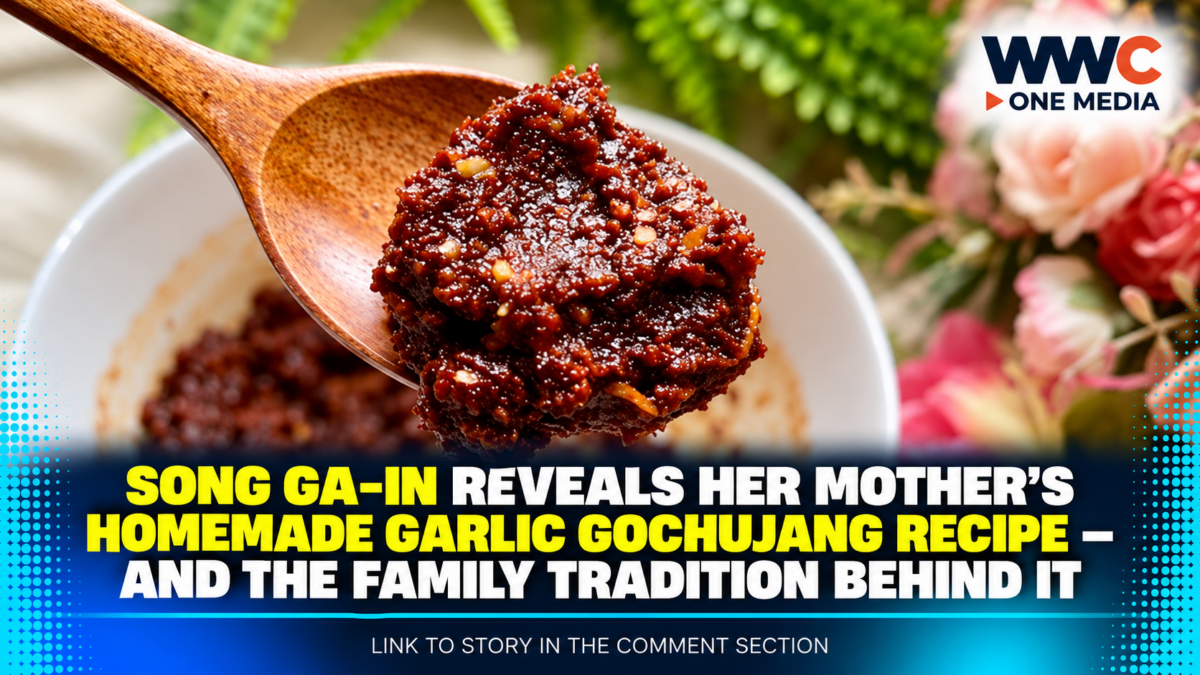
Korean trot singer Song Ga-in is giving fans a closer look at one of her family’s treasured culinary traditions: her mother’s homemade garlic gochujang, a Korean red pepper paste that has attracted attention for its distinctive preparation and the story behind it.
In a recent video uploaded to Song’s YouTube channel, the singer revealed how her mother prepares the family’s garlic-infused gochujang, from carefully cooking the garlic to mixing the ingredients into a thick, flavorful paste.
The recipe attracted renewed interest after the dish appeared on the Korean television program Stars’ Top Recipe at Fun-Staurant. Song’s family subsequently shared more details about the preparation process, allowing viewers to see how the homemade specialty comes together.
But the appeal goes beyond the ingredients. Song’s mother prepared approximately 30 containers of the paste, explaining that the family intended to share it with others rather than sell it.
The gesture offered viewers a glimpse into a tradition built around home cooking, generosity and the importance of sharing food with family and friends.
The Secret Starts With Properly Cooked Garlic
Unlike conventional gochujang recipes, Song’s mother’s version places garlic at the center of the preparation.
According to The Korea Times, she boils the garlic until soft before mashing it and incorporating it into the paste. She explained that garlic releases moisture during cooking, meaning only a small amount of additional water is needed.
Once the garlic is soft enough to mash, it is combined with a thick mixture made from glutinous rice.
The rice mixture is particularly important because it helps give the finished paste its characteristic sticky consistency. It must be cooked thoroughly and stirred continuously to prevent sticking and ensure an even texture.
After the garlic and rice mixture are combined, fermented soybean powder and red pepper powder are added.
Soy sauce, salt and corn syrup complete the seasoning, contributing savory, salty and sweet flavors.
The ingredients are mixed thoroughly until the paste develops a consistent color and texture.
Song’s mother’s method demonstrates how careful preparation, rather than simply combining ingredients, plays a central role in traditional Korean home cooking.
Why the Family Makes So Much Gochujang
One detail that caught viewers’ attention was the sheer quantity of the finished product.
Song’s family prepared approximately 30 containers of homemade garlic gochujang. Rather than treating the batch as a commercial product, her mother explained that they planned to distribute it among other people.
Song expressed amazement at the amount of work involved, describing the preparation as genuinely handmade.
The decision not to sell the paste also helped distinguish the family recipe from commercially produced condiments. Its value, as presented in the video, lies in the time invested in making it and the intention to share it.
Homemade pastes and fermented seasonings have long played an important role in Korean food culture. Families often develop their own methods, adjusting ingredients and preparation techniques according to taste and tradition.
Song’s mother’s garlic gochujang offers a contemporary example of how these practices continue to attract interest, particularly when they are shared through television and social media.
How Garlic Gochujang Is Used in Korean Cooking
Gochujang is a staple of Korean cuisine, known for its combination of chili heat, sweetness, saltiness and savory depth.
It is commonly used in dishes such as bibimbap, spicy stir-fried meat, tteokbokki and various seasoned vegetable dishes.
A garlic-rich version can also serve as a flavorful condiment or a base for dipping sauces and spicy dressings.
In Song’s family’s video, the freshly prepared paste was used to make ojingeo chomuchim, a Korean spicy and tangy squid salad. The dish was served alongside other traditional foods, including bibimbap and kimchi.
The meal highlighted how a homemade condiment can become the centerpiece of a family gathering, bringing several familiar dishes together through a shared flavor.
For viewers interested in Korean cooking, the recipe also offers an introduction to the relationship between garlic, glutinous rice, fermented soybean ingredients and chili powder in traditional-style seasoning.
What Home Cooks Should Know Before Trying the Recipe
Although Song’s mother’s recipe has inspired interest, preparing a large batch of homemade gochujang requires care.
The consistency of the rice mixture matters because excessive liquid can make the paste difficult to thicken. Adding seasoning gradually also helps maintain a balanced flavor, particularly when different brands of soy sauce, salt and syrup are used.
Storage deserves equal attention. The finished paste should be handled with clean utensils and placed in suitable, clean containers. Because homemade mixtures can differ in moisture content, acidity and processing, their safe storage period cannot be determined from appearance alone.
Home cooks should follow a tested food-safety recipe for preparation and storage rather than assuming that a homemade paste can be kept indefinitely.
For those who want to explore Korean flavors without making a large batch, commercially prepared gochujang is also widely available and can be used in many of the same dishes.
More Than a Recipe: A Glimpse Into Song Ga-in’s Family Life
The renewed interest in Song Ga-in’s garlic gochujang reflects the popularity of food content that combines practical cooking with personal stories.
As a well-known trot singer, Song regularly connects with audiences through music and appearances on Korean entertainment programs. Sharing her mother’s recipe offers another way for viewers to learn about the family traditions behind her public image.
The preparation also highlights the time and effort involved in traditional home cooking, especially when food is made in quantities intended for sharing.
For international audiences interested in Korean culture, the video provides a look at a culinary tradition that extends beyond restaurant menus and packaged products.
WWC ONE MEDIA G,A