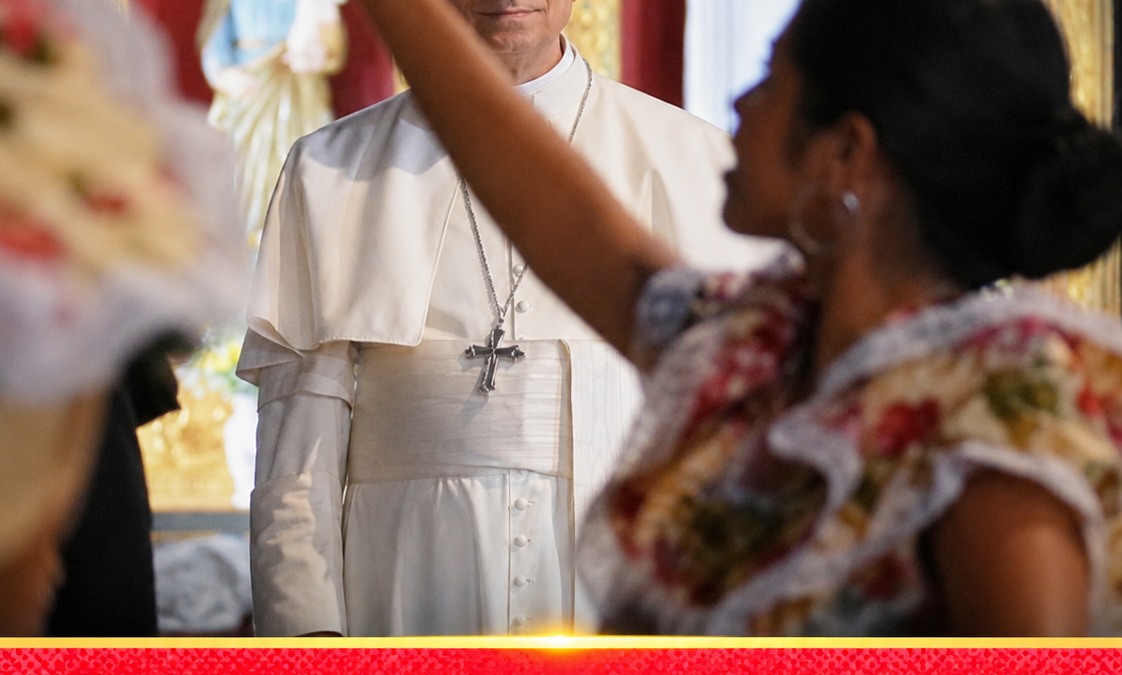
LIMA, Peru — Pope Leo XIV’s November visit to Peru has brought renewed attention to the country’s Afro-Peruvian heritage, including the historic community of Zaña, as the pontiff’s published statements confront the Catholic Church’s past relationship with slavery. The Vatican’s records show that Leo had already made a formal acknowledgement of that history in his May 2026 encyclical, asking forgiveness in the name of the Church.
The significance of the moment extends beyond a papal appearance. Peru’s African heritage is part of its national identity, while Leo’s own words recognise both the historical contribution of Afro-Peruvian traditions and the continuing marginalisation faced by some members of those communities.
Pope Leo’s slavery acknowledgement goes beyond a ceremonial message
In Magnifica Humanitas, an encyclical dated May 15, 2026, Leo addressed the history of slavery and the Church’s role in it.
Paragraph 176 acknowledges that slavery was tolerated for long periods, including within ecclesiastical institutions. It also states that the Apostolic See of Rome intervened during the early modern period to regulate and legitimise certain forms of subjugation, including, in some cases, the enslavement of people described in the document as “infidels”.
The Pope did not present the Church’s historical record as consistent with its modern position. Instead, he acknowledged the delay in condemning slavery and described that history as a wound in Christian memory.
The paragraph concludes with a direct request: “For this, in the name of the Church, I sincerely ask for pardon.”
That statement matters because it identifies the institution’s historical responsibility rather than treating slavery only as an injustice committed by people outside the Church. The following paragraph also calls for present-day action against human trafficking, including prevention, protection, liberation and rehabilitation.
The encyclical is therefore not simply a reflection on historical wrongdoing. It connects the memory of past complicity with a responsibility to oppose contemporary forms of exploitation.
Afro-Peruvian heritage is part of Peru’s national identity
During his address to Peruvian authorities, civil society representatives and diplomats in Lima on Nov. 11, Leo recognised the different cultural traditions that have shaped the country.
The official address specifically identified Afro-Peruvian and Asian-Peruvian traditions as part of Peru’s identity, alongside its Indigenous languages and regional cultures.
That recognition is important in a country whose national story cannot be understood through a single cultural or historical tradition. Peru’s identity has developed through the experiences of different communities, including people of African descent whose heritage remains part of its music, traditions and social life.
The Vatican’s published programme also named Zaña in the route heading for the Nov. 14 journey between Chiclayo and the surrounding communities. However, the detailed timetable does not publish a separate Zaña address or transcript. The available official record therefore does not establish specific remarks by the Pope at a Zaña ceremony.
The distinction matters. A community’s historical significance should not depend on an unverified quotation or a description of a papal appearance. The stronger record is the Pope’s own published recognition of Afro-Peruvian heritage and the Church’s acknowledgement of its past.
The Pope also raised the problem of continuing marginalisation
Leo’s Nov. 12 address in Lima moved the discussion from historical recognition to present-day social conditions.
In a section on women’s dignity and participation, he noted that women living in poverty and those belonging to Indigenous and Afro-descendant communities can face double marginalisation.
The point adds an important dimension to his earlier recognition of Afro-Peruvian heritage. Cultural identity may be celebrated as part of a country’s national character, but that recognition does not automatically remove unequal treatment or social barriers.
The Pope also warned against language and behaviour that judge people because of their appearance, origins or social circumstances. His address called for respect and a willingness to recognise differences without turning them into grounds for exclusion.
This is relevant to how cultural heritage is discussed publicly. Recognition should not stop at festivals, historical sites or official ceremonies. It also involves whether communities can participate fully in society and whether their experiences are treated with dignity.
WWC previously covered Pope Leo’s return to Peru and the public attention surrounding his homecoming. The current discussion adds another dimension to that visit: the relationship between Peru’s cultural history and the responsibilities of institutions that helped shape its past.
Zaña’s place in the discussion should not be reduced to symbolism
Zaña’s inclusion in the Vatican’s published route gives the town relevance to the wider discussion of African heritage and historical memory. But its significance should be examined through documented local history and the work of the communities that preserve it, rather than through assumptions about what the Pope may have said during a stop.
There is a wider lesson here for institutions that speak about historical injustice. Public recognition can be meaningful, but it is not a substitute for preserving records, supporting cultural organisations and listening to the people whose histories are being discussed.
The same principle applies to the Catholic Church’s acknowledgement of slavery. A request for forgiveness is a formal statement of institutional regret; it does not, by itself, demonstrate that every consequence of historical injustice has been addressed.
The practical test is whether the acknowledgement is followed by sustained efforts to protect human dignity and oppose exploitation. Leo’s encyclical makes that connection by moving from historical responsibility to the need for concrete action against human trafficking.
A wider conversation about dignity and responsibility
The Pope’s message in Peru also fits within the broader themes of his South American journey.
Earlier in the trip, Leo addressed social concerns and the needs of vulnerable communities in Uruguay. WWC’s coverage of his Uruguay visit and his appeal for solidarity examined how those themes featured in the opening stage of the tour.
In Argentina, he also spoke to young people about personal dignity and the pressures of modern public life. His message to a large youth gathering reflected the same broad concern with how people treat one another and what society chooses to value.
These separate addresses do not amount to a single policy programme. They do, however, show recurring themes in the Pope’s public statements: dignity, solidarity, respect for vulnerable people and responsibility within institutions.
For Peru, the recognition of Afro-Peruvian heritage gives those themes a specific historical context. It also invites a closer look at whether the contributions and experiences of Afro-descendant communities receive lasting attention beyond a major public visit.
What happens next
Pope Leo’s apostolic journey is scheduled to continue through Peru until Nov. 17, with official engagements in Cusco, Pucallpa and Lima before his return to Rome.
The next developments to watch include any further Vatican statements about the visit, additional official remarks on cultural diversity and human dignity, and public initiatives involving the communities and institutions responsible for preserving Afro-Peruvian heritage.
Any claims about specific commitments, funding or new programmes should be assessed against formal announcements rather than inferred from the Pope’s presence or general statements.
The documented record already provides a substantial point for reflection: Leo has acknowledged the Church’s historical involvement in legitimising slavery, asked forgiveness in its name and recognised Afro-Peruvian traditions as part of Peru’s national identity.
The lasting significance of those words will depend on whether recognition is matched by continued respect, preservation and action.
Frequently asked questions
What did Pope Leo say about the Catholic Church and slavery?
In his May 15, 2026 encyclical, Magnifica Humanitas, Leo acknowledged that slavery was tolerated within parts of the Church’s history and asked forgiveness in the name of the Church.
Did Pope Leo visit Zaña during his Peru trip?
The Vatican’s Nov. 14 itinerary named Zaña in the route heading. However, the detailed published schedule does not provide a separate timed event or address in the town.
Why is Zaña significant to Afro-Peruvian heritage?
Zaña is relevant to discussions of Peru’s African heritage and historical memory. Specific claims about its historical designations and local cultural institutions should be checked against the corresponding Peruvian government and heritage records.
What did Pope Leo say about Afro-Peruvian communities?
In his Nov. 12 address in Lima, he said women living in poverty or belonging to Indigenous and Afro-descendant communities may experience double marginalisation.
Does the Pope’s apology mean the Church has resolved the legacy of slavery?
No. The encyclical acknowledges historical responsibility and calls for action against present-day exploitation. It does not claim that the consequences of slavery have been fully resolved.