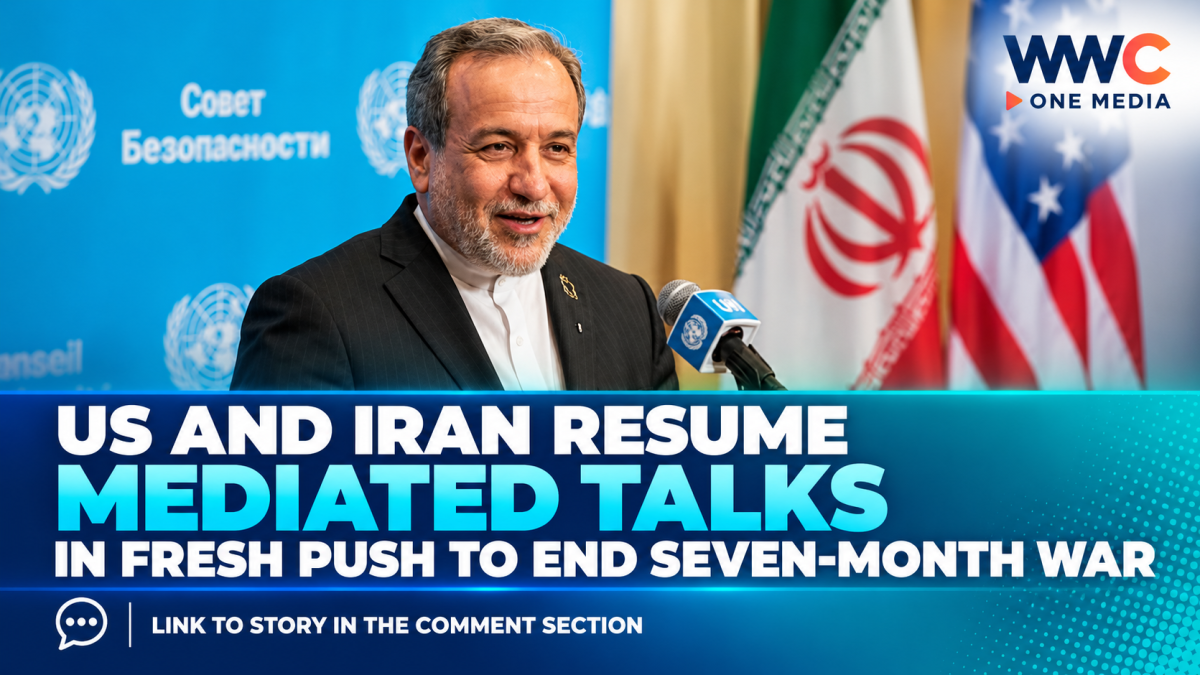
The United States and Iran have renewed indirect diplomatic contacts through mediators as both sides explore another possible path toward ending the seven-month war and restoring commercial shipping through the strategically important Strait of Hormuz.
US and Iranian officials held separate discussions with mediators on September 28, with further negotiations expected to center on an amended version of a seven-day proposal presented by Iran during the United Nations General Assembly. The latest effort follows earlier ceasefires reached in April and June that subsequently collapsed.
Iranian Foreign Minister Abbas Araqchi said Tehran was awaiting a formal US response to its latest proposal. Under the plan, Iran has linked the reopening of the Strait of Hormuz to conditions including an end to hostilities, the lifting of the US blockade on Iranian ports, sanctions relief and the release of frozen Iranian assets. In return, Tehran would resume negotiations over its nuclear program and uranium stockpile.
The Strait of Hormuz remains a central issue in the negotiations because it is a major route for global oil shipments. The prolonged conflict and restrictions on maritime traffic have disrupted energy markets and contributed to higher oil prices.
Although US President Donald Trump previously said he had rejected Iran’s proposal, he has also indicated that American negotiators could resume discussions during the week. Officials involved in the mediation said the United States had not formally rejected the proposal under discussion, leaving room for further negotiations.
The United States is seeking concrete commitments from Iran concerning its nuclear program, including provisions for international inspections. Iran, meanwhile, has sought sanctions relief and the restoration of access to its frozen funds as part of any agreement.
Qatar and Pakistan have been involved in efforts to bridge differences between Washington and Tehran. Mediators are working on a framework that could reopen the Strait of Hormuz while establishing a broader process for ending the conflict.
Major obstacles remain, including disagreements over the sequencing of a ceasefire, sanctions, maritime access and Iran’s nuclear activities. The conflict has also created wider regional risks, with continued instability around the Bab el-Mandeb Strait adding further pressure to global shipping and energy markets.
For now, the renewed mediated contacts represent another diplomatic attempt to halt the fighting, but no final agreement has been reached and the key conditions remain under negotiation.