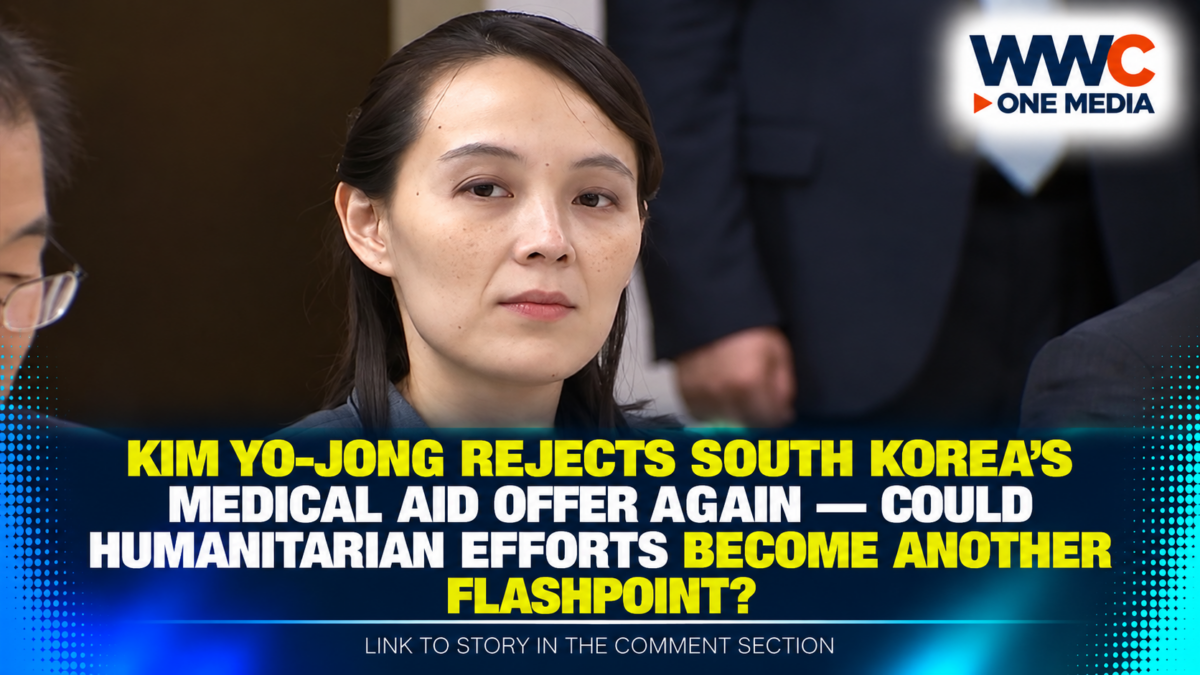
North Korea has again rejected South Korea’s proposal to provide medical equipment to a hospital in Pyongyang, with Kim Yo-jong, the influential sister of North Korean leader Kim Jong-un, accusing Seoul of using humanitarian assistance as a political provocation.
In a statement carried by North Korea’s state-run Korean Central News Agency (KCNA) on October 9, 2026, Kim reiterated Pyongyang’s opposition to the proposed shipment, describing the initiative as a “farce” and linking it to the dispute over a recent land mine explosion near the inter-Korean border.
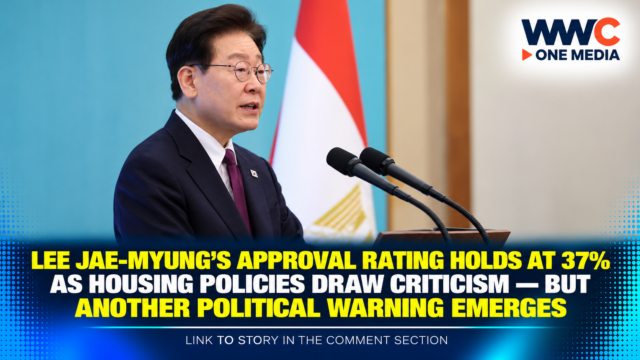
The rejection presents another obstacle to South Korean President Lee Jae-myung’s efforts to improve relations with the North through humanitarian cooperation and dialogue.
The dispute also highlights how even proposals involving medical assistance can become entangled in broader security and diplomatic disagreements between the two Koreas.
What Was South Korea Planning to Send?
South Korea proposed sending 1,431 medical items covering 166 categories to a hospital in Pyongyang as part of a humanitarian support program.
The planned supplies were intended to support medical diagnosis, surgery and treatment. Seoul had secured an exemption from the United Nations Security Council’s North Korea sanctions committee in May, clearing a key sanctions-related hurdle for the proposed assistance.
However, the exemption did not guarantee that the shipment would proceed. North Korea’s acceptance remains a central obstacle.
Kim had already rejected the proposal on October 8, calling it an insult and a political provocation. Her latest statement reinforced that position and indicated that Pyongyang was not prepared to accept the assistance under the circumstances.
Why Kim Yo-jong Linked Medical Aid to the Border Mine Dispute
Kim connected Seoul’s humanitarian proposal to a separate controversy involving a land mine explosion inside the Demilitarized Zone (DMZ) on September 21, which injured three South Korean soldiers.
South Korea has attributed the blast to a North Korean mine, while Pyongyang has denied responsibility and accused Seoul of fabricating the findings. The incident has added to tensions along the heavily militarized border.
Kim argued that South Korea’s accusations over the explosion and its offer of medical equipment were part of the same effort to portray North Korea negatively.
Those allegations reflect Pyongyang’s stated position; they do not establish that Seoul’s humanitarian proposal was intended to provoke the North.
The contrasting positions underscore a central difficulty in inter-Korean relations: initiatives intended to provide assistance can become caught up in disputes over security, responsibility and political trust.
Can Humanitarian Cooperation Survive the Diplomatic Standoff?
President Lee has advocated dialogue and humanitarian engagement with North Korea, but Pyongyang’s repeated rejection of the medical shipment highlights the limits of Seoul’s current approach.
Humanitarian assistance can offer a practical area for cooperation even when broader political disagreements remain unresolved. Yet such programs generally require agreement on delivery arrangements, acceptance by the receiving side and coordination over how supplies will be distributed.
In this case, the United Nations sanctions exemption has addressed one important procedural hurdle, but it has not resolved the political disagreement.
For South Korea, the immediate challenge is determining whether the medical assistance proposal can be pursued through further communication or whether North Korea will continue to refuse engagement.
For North Korea, rejecting the offer reinforces its public stance toward Seoul amid the continuing border dispute.
What Happens Next?
Kim said North Korea would continue to disregard and reject South Korea, signaling no immediate change in Pyongyang’s public position.
Whether that stance will extend to other forms of humanitarian cooperation remains uncertain. Neither the rejection nor the latest statement establishes that all future engagement is impossible, but the immediate prospects for this particular shipment appear limited without a change in North Korea’s position.
The episode also illustrates the difficulty of separating humanitarian needs from political disputes on the Korean Peninsula.
The bottom line: South Korea’s proposed shipment of 1,431 medical items has encountered another rejection from Pyongyang. With the border mine dispute adding to existing tensions, the key question is whether either side can find a way to resume practical cooperation without resolving every broader disagreement first.
WWC ONE MEDIA G,A