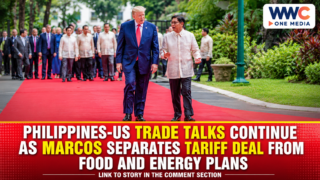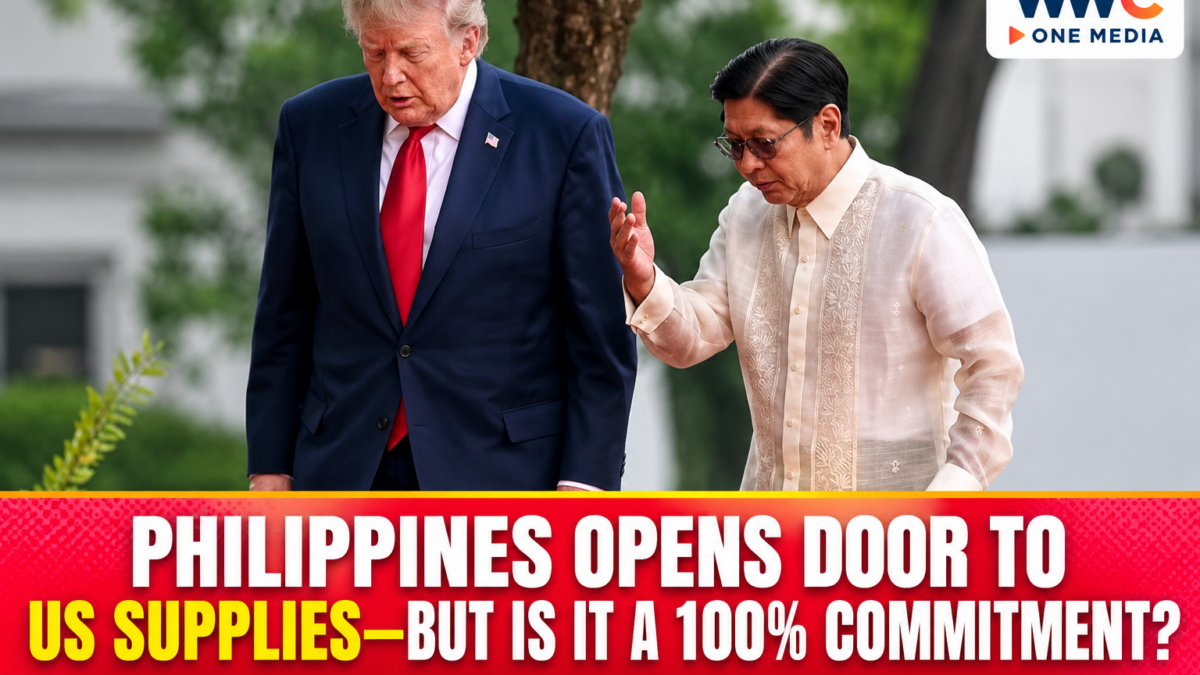
The Philippines is pursuing wider access to American food and energy products following President Ferdinand Marcos Jr.’s meeting with US President Donald Trump in Manila on Nov. 18, 2026. But the public records describing the initiative point to expanded purchasing options and ongoing negotiations—not a documented requirement to source all Philippine food and energy needs from the United States.
The distinction matters for consumers, farmers, businesses and energy users. A wider supplier network could help the country respond to price swings and overseas disruptions, but the benefits will depend on the terms eventually agreed, the prices offered and whether local producers remain competitive.
What the US food and energy initiative actually says
A White House fact sheet dated Nov. 18 described a commitment by the two leaders to address the US trade deficit with the Philippines through increased Philippine imports of American energy and agricultural products. It did not specify a 100% purchasing share, a list of mandatory commodities, or a schedule requiring the Philippines to stop buying from other countries.
President Marcos provided more detail during a media briefing in Shenzhen, China, on Nov. 20. He separated the broader tariff discussions from the initiative to open American markets to Philippine purchases of food and energy.
The President identified soybeans and wheat among the agricultural products being considered. Rice was also discussed, although he expressed uncertainty about whether the United States could supply it.
Crucially, Marcos said the details still had to be worked out and described the initiative as a way to access additional sources. The Presidential Communications Office’s Nov. 21 release likewise presented the arrangement as wider access to American supplies and more options for sourcing essential commodities.
That is different from a completed procurement contract. The available public documents describe the direction of the discussions, but do not establish a binding percentage for US purchases.
Why supplier diversification matters to the Philippines
The country’s import profile helps explain why additional suppliers are attractive. Philippine Statistics Authority data show that the Philippines imported US$134.20 billion worth of goods in 2025. Mineral fuels, lubricants and related materials accounted for US$16.71 billion, or 12.4% of the total.
Agricultural imports were also substantial. The PSA recorded US$20.37 billion in agricultural imports in 2025, equivalent to 68.8% of the country’s total agricultural trade for the year.
These figures show that the Philippines is exposed to international supply conditions. When shipping routes are disrupted, exporting countries restrict sales or global prices rise, the effects can reach domestic transport, electricity generation, manufacturing and household food budgets.
The government’s concern is not limited to one trading partner. In a Nov. 17 regional statement, the Presidential Communications Office noted that almost all Philippine fuel comes from abroad and highlighted cooperation with China, Japan and South Korea under the ASEAN Plus Three framework.
For households, the practical question is whether new sourcing arrangements can improve availability and affordability without creating another concentration risk.
The import figures show why one supplier is not enough
The PSA’s 2025 merchandise trade report lists China as the Philippines’ largest source of imported goods, supplying US$38.44 billion, or 28.6% of total imports. Japan, South Korea, Indonesia and the United States completed the top five.
The United States supplied US$8.15 billion in imported goods, equivalent to 6.1% of the total. These figures cover all imported goods, not just food and fuel, so they should not be interpreted as the country’s energy or agricultural supplier shares.
Still, they provide a useful picture of the broader trading relationship: the Philippines already buys from several economies, and the United States is one part of that network.
The policy challenge is to widen that network without replacing dependence on one source with dependence on another. WWC has previously examined how weather-related risks can increase pressure on Philippine food supply in its report on El Niño and the country’s tightening food outlook.
What it could mean for farmers and food prices
Marcos has said the government is looking for more affordable food sources, including wheat and soybeans from the United States. Those commodities matter to food supply chains, but access to imports does not automatically translate into lower retail prices.
The final cost will depend on purchase prices, freight, insurance, exchange rates, handling expenses and how imported products move through local markets. The effect will also vary by commodity and by the businesses that use those inputs.
For local farmers, the important test is whether increased imports complement domestic production or compete with locally grown products at prices that put pressure on farm incomes.
The President’s public remarks and the Palace’s Nov. 21 release say the administration intends to protect local products, farmers and fisherfolk. That is an assurance of policy intent; the detailed safeguards and their enforcement will need to be assessed once specific arrangements are published.
The issue is especially important as the country prepares for weather-related agricultural risks. WWC’s coverage of the possibility of higher rice imports and the country’s food-security exposure explains why import planning and domestic production need to be considered together.
Energy security is about reliability as well as price
Energy imports have consequences beyond the cost of fuel at the pump. Fuel is used across transport, logistics, agriculture and industry, meaning supply interruptions can affect the prices of many goods.
The government has reason to seek additional sources, but a new supplier is not automatically the cheapest or most reliable option. Buyers must consider product specifications, delivery schedules, shipping routes, payment terms and the ability to maintain supplies during a crisis.
The Department of Energy’s wider energy-security work also extends beyond purchasing fuel. Its Nov. 15 announcement of a two-year partnership with the Economic Research Institute for ASEAN and East Asia covered research, technical cooperation and policy support for a more secure and affordable energy system.
That broader approach matters because long-term resilience requires more than changing the country’s import destinations. Domestic generation, renewable energy, storage, infrastructure and efficient energy use also influence how exposed the economy is to international fuel shocks.
WWC has also reported on the National Food Authority’s rice buffer-stock management, another example of why supply security involves planning and reserves, not just the search for new sellers.
What happens next
The next test is the publication of concrete terms. The President said Cabinet secretaries had begun working on the details, while the government wanted the separate tariff track finalised as soon as possible.
The public will need more than broad announcements to assess the initiative. Important details include which commodities will be covered, whether purchases will be made by government agencies or private companies, how prices will be compared, what volumes are contemplated and whether any minimum purchase commitments will apply.
It will also be important to distinguish the tariff negotiations from the food-and-energy initiative. The President described them as separate tracks, and the available public records do not establish that every element has already been finalised.
For now, the clearest reading is that the Philippines is seeking another source of essential imports while maintaining the option to work with other partners. Whether that produces cheaper and more dependable supplies will depend on the agreements and actual transactions that follow.
Frequently asked questions
Did the Philippines agree to buy 100% of its food and energy from the United States?
The public records reviewed do not set a 100% sourcing requirement. They describe increased Philippine imports of American products and expanded access to US markets, while President Marcos said the details still needed to be worked out.
Which American products are being considered?
President Marcos identified soybeans and wheat. Rice was also discussed, although he questioned whether the United States could supply it. The final product list has not been publicly established in the records reviewed.
Does the initiative mean the Philippines will stop buying from other countries?
No such requirement appears in the public documents reviewed. Marcos described the objective as diversifying supply sources and developing more partnerships.
Will US imports automatically lower food and fuel prices?
No. Prices will depend on the cost of the products, shipping, exchange rates, handling and market conditions. More suppliers can create options, but lower prices are not guaranteed.
What should consumers and farmers watch for?
They should watch for the final terms, commodity lists, purchase volumes, pricing arrangements and safeguards for local producers. Those details will show whether the initiative improves supply security while protecting domestic agriculture.