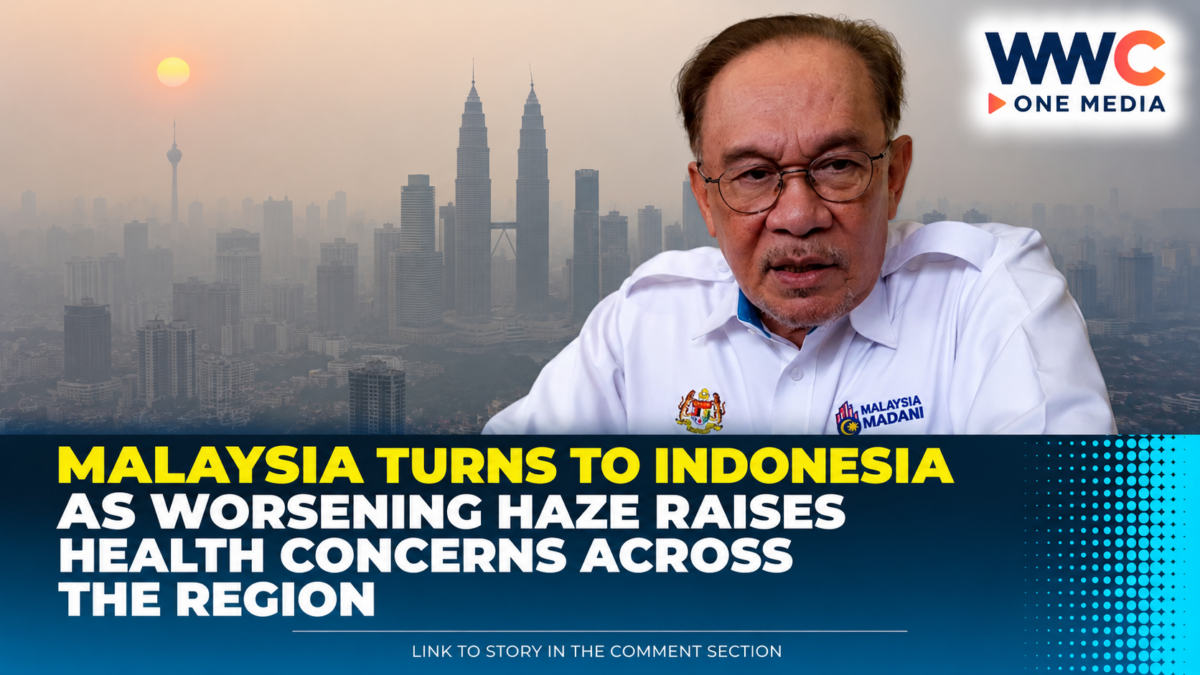
Malaysian Prime Minister Anwar Ibrahim has personally contacted Indonesian President Prabowo Subianto over worsening transboundary haze, as deteriorating air quality raises fresh concerns about public health and school disruptions across Malaysia.
Anwar said on Oct 8 that Prabowo had agreed to take the necessary steps to address the situation. The Malaysian leader also confirmed that relevant government ministries were communicating with their Indonesian counterparts to coordinate efforts to tackle the problem.
“The haze situation is indeed worrying,” Anwar said, highlighting the potential impact on the health of Malaysians.
The latest development comes as smoke from forest and land fires in Indonesia spreads across parts of Southeast Asia, affecting Malaysia and neighbouring areas.
Unhealthy Air Quality Recorded Across Malaysia
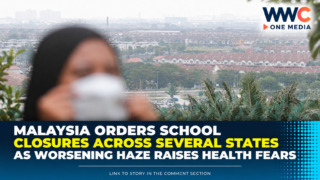
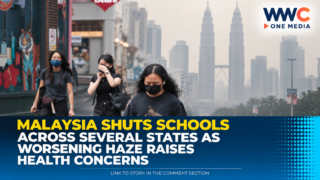
Malaysia’s Department of Environment reported that 38 areas recorded unhealthy Air Pollutant Index (API) readings at 3pm on Oct 8.
Data cited from the ASEAN Specialised Meteorological Centre also identified 94 hotspots in Kalimantan and 210 in Sumatra on Oct 7. Moderate to dense haze was observed over southern and central Sumatra, Singapore and the southern part of Peninsular Malaysia.
The figures underscore the regional nature of the crisis, with pollution crossing national borders and affecting communities far from the locations where fires are burning.
Cloud Seeding Intensified as Authorities Respond
Anwar said Malaysia had increased the frequency of cloud-seeding operations in an attempt to mitigate the haze, although recent efforts had produced unsatisfactory results.
The government has also expressed its readiness to cooperate with Indonesia in addressing the fires and reducing the impact of the resulting smoke.
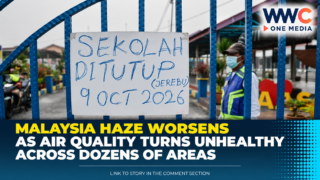
Separately, Malaysia’s King, Sultan Ibrahim, urged authorities to close schools in areas where API readings exceed 150, reflecting growing concern over the exposure of children and other vulnerable groups to unhealthy air.
School closures have since become part of the response as pollution levels worsen in affected areas.
A Regional Challenge That Requires Cooperation
The latest discussions between Anwar and Prabowo highlight the importance of cross-border cooperation in tackling recurring haze episodes in Southeast Asia.
Forest and land fires in Indonesia have historically contributed to regional haze, particularly during dry periods. Addressing the problem can require coordinated fire prevention, enforcement against illegal burning and measures to reduce the spread of smoke.
While Prabowo has pledged to take necessary steps, the effectiveness of the response will depend on action on the ground and continued coordination between the two governments.
For residents across the region, the immediate concern remains the quality of the air they breathe, as authorities work to limit the health risks and minimise disruption to daily life.