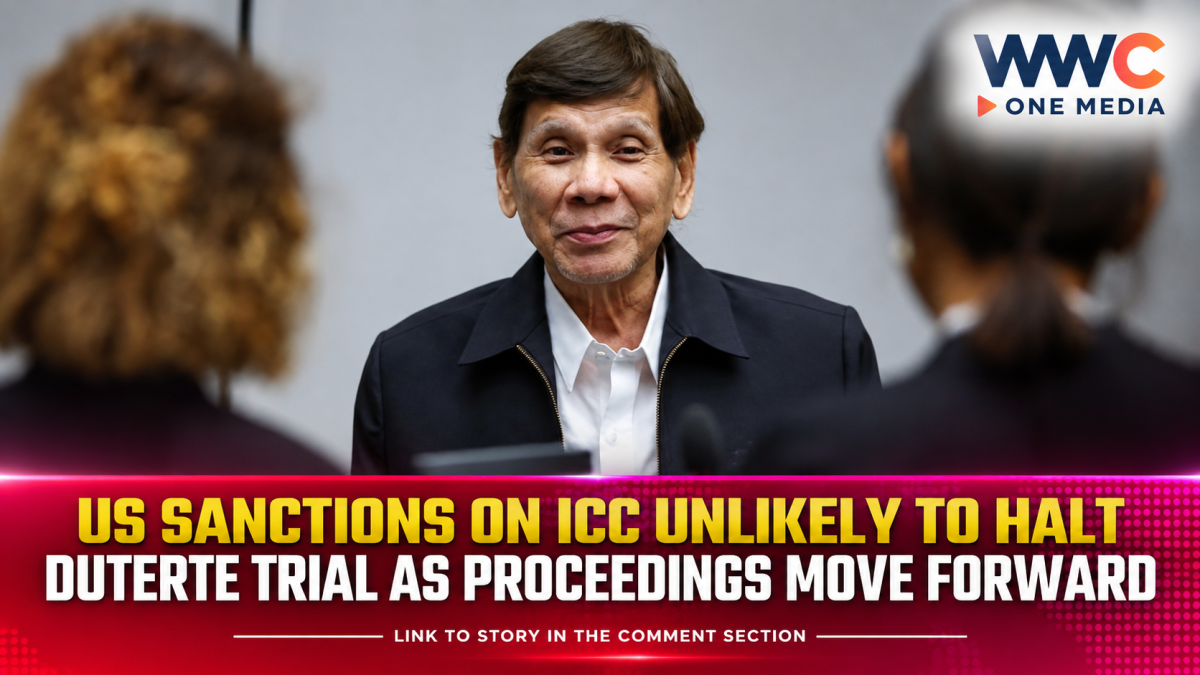
Proposed US sanctions against the International Criminal Court are unlikely to stop or significantly alter the trial of former Philippine President Rodrigo Duterte, according to the National Union of Peoples’ Lawyers, as the case continues to move through the tribunal’s judicial process.
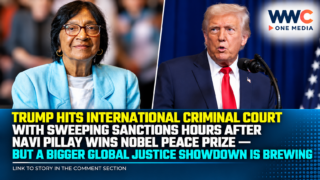
The warning comes as the administration of US President Donald Trump escalates pressure on the ICC, including plans for broader sanctions that could target the court as an institution rather than individual officials. The proposed measures could affect the tribunal’s access to the US financial system, goods, services and other international support.
The NUPL said the sanctions would not automatically invalidate or suspend proceedings against Duterte because the case is already before the ICC and is governed by the court’s own legal framework.
Duterte’s trial is scheduled to begin on Nov. 30, 2026. The former president has been detained at the ICC detention facility in The Hague since his transfer to the court in March 2025.
The ICC confirmed in April that Duterte would stand trial after judges found substantial grounds to believe that he could be responsible for crimes against humanity linked to killings during his administration’s anti-drug campaign. The decision followed an earlier Appeals Chamber ruling affirming the court’s jurisdiction despite the Philippines’ withdrawal from the Rome Statute.
The Philippines withdrew from the ICC in 2019, but the court has maintained that it retains jurisdiction over alleged crimes committed while the country was still a member of the Rome Statute. The Appeals Chamber rejected Duterte’s challenge to that jurisdiction in April, allowing the case to proceed.
The legal status of the Duterte case is therefore separate from the United States’ relationship with the ICC.
Washington is not a member of the Rome Statute and has repeatedly opposed the court’s authority over US nationals and officials. Trump has intensified that opposition during his current administration, calling on ICC member states during his Sept. 22 address to the United Nations General Assembly to withdraw from the tribunal.
The United States had already imposed sanctions on individual ICC officials. The administration is now considering broader measures against the institution itself. Reuters reported that possible sanctions could restrict the court’s access to dollar-based financial services and create difficulties for companies and organizations that provide services to the tribunal.
Those measures could nevertheless create operational challenges for the ICC.
The court relies on international financial institutions, contractors, technology providers and other outside organizations to conduct investigations and judicial proceedings. Restrictions involving US-based companies or the dollar financial system could therefore increase the cost and complexity of the court’s operations even if they do not directly terminate a particular case.
The potential impact on Duterte’s trial would consequently depend on the scope and implementation of any final US sanctions.
The case has already passed several major procedural stages. In April, ICC appeals judges rejected Duterte’s jurisdictional challenge, while Trial Chamber judges subsequently confirmed the charges and committed him to trial.
The charges concern alleged crimes against humanity associated with killings carried out during Duterte’s presidency and earlier periods covered by the ICC investigation. Duterte has denied wrongdoing and has defended his anti-drug campaign, while the prosecution maintains that the evidence supports the charges against him.
The Philippines’ position has also evolved since Duterte’s transfer to The Hague. Although Manila is no longer an ICC member, the government has previously indicated that it could cooperate with the tribunal in certain circumstances involving ICC warrants. In May, Philippine authorities also enforced an ICC arrest warrant against Senator Ronald dela Rosa in a separate case connected to the Duterte administration’s anti-drug campaign.
For the ICC, the broader confrontation with Washington therefore comes at a particularly consequential moment. The Duterte case is among several high-profile proceedings being handled by the court as it faces increasing political and financial pressure from the United States.
The tribunal has also received support from European governments seeking to protect its ability to continue operating. The Netherlands, which hosts the ICC in The Hague, has been preparing for the possibility of expanded US sanctions and examining measures to help the court maintain essential operations.
The sanctions debate could thus affect the environment in which the Duterte trial takes place without necessarily changing the legal basis of the proceedings themselves.
For Duterte, the immediate legal issue remains the upcoming trial rather than the US sanctions campaign. The ICC has already determined that the case can proceed, and the scheduled November trial will provide the next major stage for prosecutors and the defense to present their respective cases.
The bigger issue now is whether Washington’s escalating pressure on the ICC will remain primarily an institutional and financial challenge—or eventually create operational difficulties significant enough to affect the court’s ability to conduct major cases, including Duterte’s.