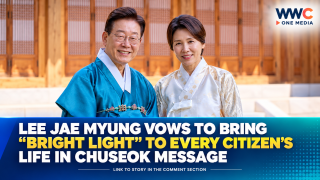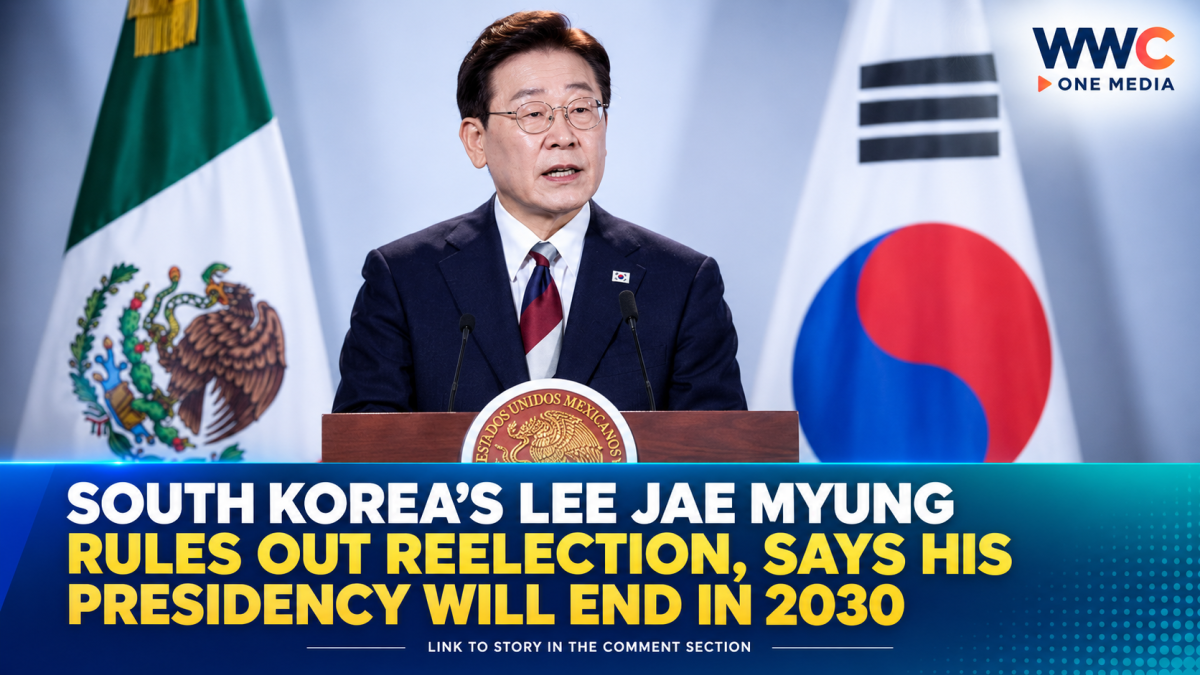
SEOUL — South Korean President Lee Jae Myung has again ruled out seeking a second presidential term through constitutional reform, putting a firm date on the end of his presidency amid an ongoing national debate over changing the country’s political system.
Speaking to South Korean residents during his state visit to Mexico, Lee said there should be no concern that he could remain in office beyond his current mandate.
“There will never be a case of my term going beyond June 2, 2030,” Lee said, according to Yonhap News Agency.
The latest statement follows Lee’s stronger declaration last week that he had “no intention whatsoever” of seeking reelection.
Lee Separates Constitutional Reform From His Own Political Future
Lee has continued to support constitutional reform, including a proposal to replace South Korea’s current five-year, single-term presidency with a four-year presidential system that could allow reelection.
But he has repeatedly maintained that any constitutional change allowing consecutive presidential terms would not be used to extend his own time in office.
South Korea’s current Constitution provides a single five-year presidential term. Article 128 also prevents an amendment extending the presidential term from applying to the president serving when the amendment is proposed.
Lee has argued that the Constitution, established in its current form in 1987, no longer fully reflects South Korea’s political and social circumstances. His broader reform agenda has included strengthening basic rights, expanding local autonomy and redistributing some presidential powers.
Why the Reelection Question Became a Political Flashpoint
The issue has generated significant debate because Lee’s administration and the ruling Democratic Party have backed constitutional reform that could eventually permit presidents to serve consecutive terms.
Opposition politicians had repeatedly demanded that Lee make clear whether he would personally seek another term if such a system were introduced.
Earlier in September, the People Power Party criticized Lee for saying his term was constitutionally limited without explicitly stating that he would not pursue another term.
Lee subsequently made the position explicit.
At a September 18 press conference, he said a second term for himself through constitutional revision was constitutionally impossible and declared that he had no intention of serving another term.
His latest remarks in Mexico go further by identifying June 2, 2030 as the point beyond which he says his presidency will not continue.
Constitutional Reform Debate Continues
While Lee has ruled out using constitutional reform to extend his own presidency, the larger question of constitutional change remains open.
The president has backed a four-year, potentially renewable presidential system and said he is willing to consider shortening his own term if that would help achieve a constitutional agreement. He has also called for discussions involving both ruling and opposition lawmakers and a broader national consensus.
The debate therefore shifts beyond Lee’s personal political future to a broader question: Should South Korea replace its current single five-year presidential system with a model that allows reelection?
For now, Lee says his own answer is clear: his presidency will not extend beyond June 2030, even if constitutional reform changes the rules for future presidents.
The constitutional debate, however, is far from over.
WWC ONE MEDIA G,A