Marikina’s Food Scene Is Growing Beyond Its Shoe-Capital Identity — Here’s What Gives It an Edge
Marikina has long been identified with the Philippine shoe industry, but the city is also positioning its food culture, heritage sites and neighbourhood attractions as reasons to visit. Its own tourism programme now features food crawls alongside historic landmarks and public spaces, while a new generation of independent dining concepts is adding another layer to the city’s identity.
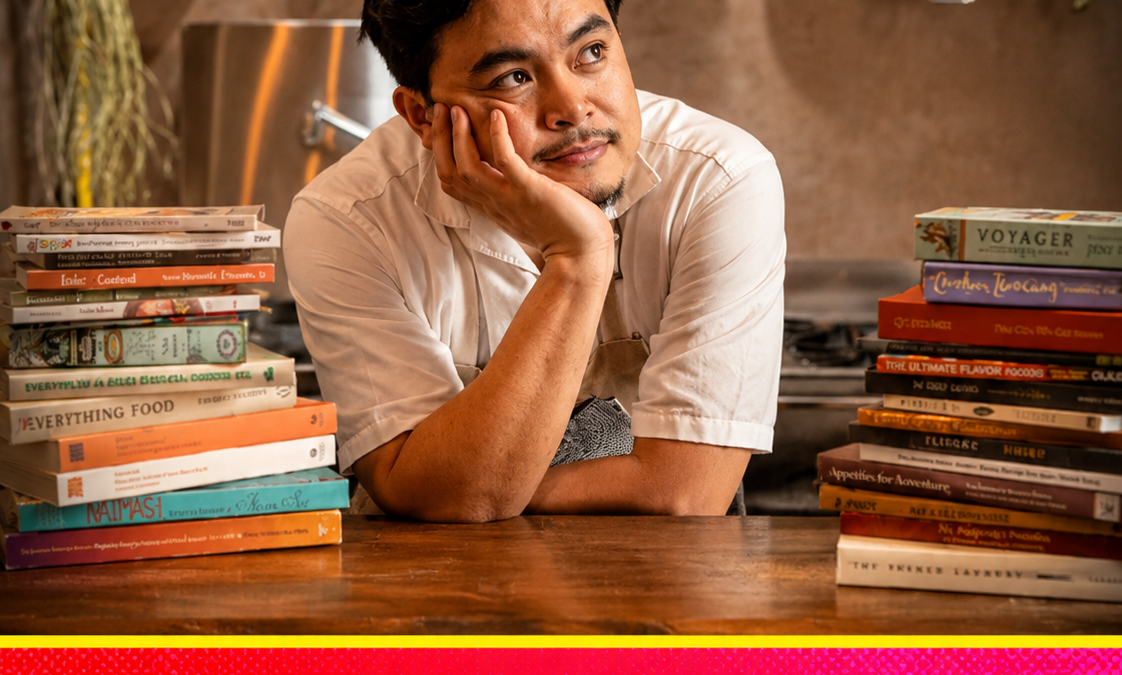
One example is DIGÁMO, a Filipino tasting-menu restaurant in Marikina Heights founded by chef Francis Lacson. Its official website describes a concept built around Filipino culinary identity and an evolving interpretation of regional flavours. The restaurant’s presence adds to a wider question for the city: can Marikina turn its established local character into a stronger food destination without losing the neighbourhood qualities that make it distinct?
Marikina’s food identity has roots beyond its restaurants
Marikina’s culinary appeal does not begin with fine dining. The city’s food culture sits alongside a longer history of craftsmanship, family businesses, public markets and community traditions.
The city government’s tourism website describes Marikina as the “Shoe Capital of the Philippines” since the 1950s. It also identifies gastronomic visits as part of the city’s growing tourism appeal, presenting food crawls as one of the experiences visitors can explore.
That combination matters. A destination does not need to rely on a single attraction when it can connect food with heritage, shopping and public spaces. Visitors can make a day of exploring the city rather than travelling solely for one restaurant.
Marikina’s Tourism Code, adopted through Ordinance No. 065, Series of 2015, provides a formal framework for tourism development. It covers tourism-oriented establishments, including restaurants, and assigns tourism-related functions to the Marikina City Tourism, Culture and the Arts Office.
The ordinance also identifies several places for tourism promotion, including the Shoe Museum, Marikina Public Market, Freedom Park and Marikina River Park. These sites show that the city’s visitor strategy is not limited to dining establishments. marikina.gov.ph+1
DIGÁMO brings a contemporary Filipino dining concept to Marikina
Located at GCN Commercial Building on Narra Street in Marikina Heights, DIGÁMO is one of the city’s more distinctive contemporary dining concepts.
The restaurant’s official website presents its approach as an exploration of Filipino identity through food. It describes its menu as “Playful Evolution” and frames its cooking around the country’s varied culinary heritage.
The restaurant also identifies Francis Lacson as its chef. Its published story describes his return to Filipino cooking after experiences working abroad and in kitchens in Capiz. These details form part of the restaurant’s own account of its identity and concept.
DIGÁMO’s format is different from the casual eateries and family restaurants commonly associated with neighbourhood dining. Its website lists two evening seatings, at 5:30 p.m. and 8 p.m., from Wednesday to Sunday. It also provides a direct booking facility for guests planning a visit.
That operating model suggests a deliberate dining experience rather than a quick walk-in meal. For visitors, it also means checking the restaurant’s current booking requirements and menu information before travelling. digamo.ph+1
The city already has an official food-tourism foundation
Marikina’s tourism promotion is not starting from zero. The city’s tourism website has a dedicated food section that features established dining businesses and local food stops.
Among the establishments listed are Café Kapitan, Pan de Amerikana, Rustic Mornings, Café Lidia and Krung Thai. The descriptions connect several of these places to specific locations and aspects of Marikina’s built or culinary heritage.
Café Kapitan, for example, is presented as operating inside the Kapitan Moy Cultural Center. The tourism page traces the building’s history to the late 18th century and links it to Don Laureano “Kapitan Moy” Guevara, whom the city identifies with the development of its shoe industry.
Pan de Amerikana is included for its Filipino food offerings, including Marikina dishes. Rustic Mornings is described as an all-day breakfast restaurant in San Roque. These examples show the range of experiences the city is promoting, from heritage-linked dining to cafés and casual restaurants.
The official listings are useful starting points, although visitors should still confirm current business hours, menus and availability directly with each establishment. Tourism pages can provide a directory, but they do not guarantee that every detail remains unchanged. tourism.marikina.gov.ph+1
Food tourism can complement Marikina’s heritage economy
Marikina’s identity has historically been tied to manufacturing and craftsmanship. The city’s 2015 ordinance declaring the entire city a “Shoe Zone” set out objectives that included generating jobs, developing the shoe industry and supporting local shoemakers and manufacturers.
That policy offers a useful way to understand the city’s broader tourism opportunity. Food businesses and heritage attractions can complement the local economy by giving visitors more reasons to spend time in the city.
A visitor who comes for a meal may also explore the public market, visit a cultural site or look for locally made products. That kind of connected itinerary can create opportunities for businesses beyond restaurants.
The city’s Tourism Code recognises this wider approach by listing public spaces and cultural institutions alongside tourism-related establishments. The Marikina River Park and Freedom Park, for instance, are among the places named for promotion.
The potential benefit is not automatic. A stronger visitor economy depends on reliable transport, clear information, accessible public spaces, consistent service and cooperation among businesses and local government. But the city already has a policy framework that recognises tourism as more than a single attraction.
What gives Marikina an advantage?
Marikina’s opportunity may lie in the mix rather than in trying to compete directly with larger commercial dining districts.
Its food offering includes traditional and casual establishments, heritage-linked venues and newer concepts that interpret Filipino cuisine through contemporary techniques. That variety can appeal to different visitors, from families looking for familiar meals to diners interested in a more structured tasting experience.
The city’s established identity also gives its tourism story a recognisable foundation. Shoe-making, local craftsmanship, public markets and community spaces are part of a broader cultural setting that restaurants can draw from without having to manufacture a destination identity from scratch.
For independent restaurants, operating outside the busiest commercial centres can also make neighbourhood identity part of the experience. However, this is an opportunity, not proof that every business will succeed. Restaurants still need to establish a clear concept, maintain quality and attract repeat customers.
For Marikina, the challenge is to make its food destinations easier to discover while preserving the local character that distinguishes them.
What happens next
Marikina’s official tourism platform already promotes food crawls, tourist spots and cultural experiences. The next test is how effectively those offerings are connected into practical itineraries for residents and visitors.
For diners considering DIGÁMO, the restaurant’s own website provides its location, current schedule and reservation information. For visitors interested in exploring more broadly, the city tourism website provides a starting point for food establishments and attractions.
The city’s longer-term opportunity is to turn these separate experiences into a coherent visitor economy—one that supports local businesses while keeping Marikina’s heritage visible.
Frequently asked questions
1. Is Marikina becoming a food destination?
The city government is actively promoting gastronomic visits through its tourism website, which includes a dedicated food section and food-crawl content. That demonstrates an official tourism focus on dining, although it does not establish a formal ranking of Marikina among the country’s top food destinations.
2. Who is Francis Lacson?
Francis Lacson is identified on DIGÁMO’s official website as the chef behind the restaurant’s Filipino dining concept.
3. Where is DIGÁMO located?
DIGÁMO is located at GCN Commercial Building, 240 Narra Street, Marikina Heights, Marikina City.
4. When is DIGÁMO open?
Its official website lists Wednesday to Sunday service, with seatings at 5:30 p.m. and 8 p.m. Guests should confirm availability through the restaurant’s booking channels before visiting.
5. What else can visitors explore in Marikina?
The city’s Tourism Code identifies attractions and public spaces including the Shoe Museum, Marikina Public Market, Freedom Park and Marikina River Park. Visitors can check the city’s tourism platform for current information before planning a trip.