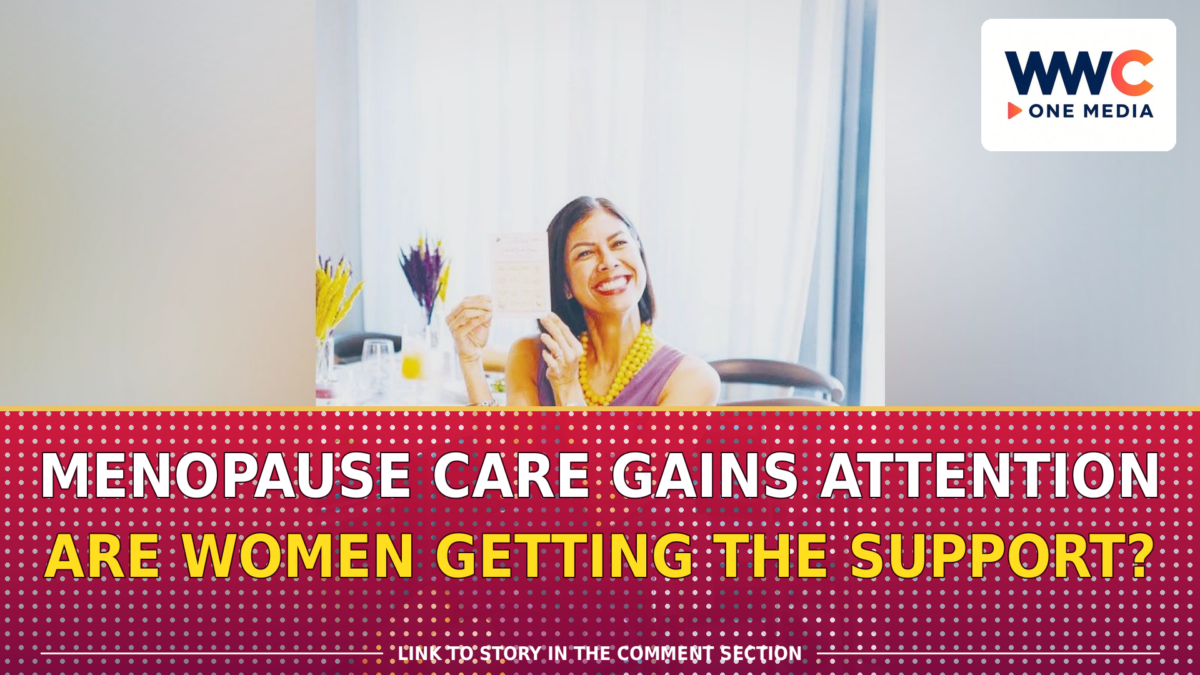
Menopause is receiving more attention in Philippine health education, with hospitals using World Menopause Day 2026 to bring midlife health concerns into public discussion. Ospital ng Maynila Medical Center (OMMC) listed an educational session on menopause and hormonal changes, while East Avenue Medical Center also held an October forum covering common concerns associated with the transition.
The growing focus matters because menopause is not simply a short period of hot flushes. It can involve changes in sleep, mood, menstrual patterns, bone health and overall well-being, with experiences that differ considerably from one person to another.
The challenge for public health is therefore bigger than encouraging women to recognise symptoms. It is also about helping them find reliable information, appropriate clinical advice and support without embarrassment or unnecessary assumptions about ageing.
Menopause care moves into public health discussions
OMMC’s official medical-events page listed a programme titled “Hot, Hurting, Hormonal: The Menopause Edition” for World Menopause Day 2026. The hospital said its Department of Obstetrics and Gynecology was conducting an educational session focused on menopause, midlife health and hormonal changes.
The programme was presented as an opportunity for expert discussion and shared learning. Its stated aim was to help women better understand and navigate menopause through information and practical insights.
East Avenue Medical Center also reported an October 2026 World Menopause Day activity. Its Department of Obstetrics and Gynecology, working with the Public Health Unit, conducted a lay forum on Oct. 2 at the hospital’s auditorium.
The programme covered hot flashes, insomnia and their effects on socialisation, osteoporosis and bone health, as well as sexual health and intimacy.
These hospital activities show that menopause is being addressed as a health topic that deserves structured discussion, rather than being treated only as a private or personal experience.
The same wider conversation is visible in businesses and advocacy groups that describe midlife support as part of their work. ProAge Beauty’s published advocacy materials discuss education, community events and campaigns focused on menopause, while SecondSpring maintains an information platform featuring topics such as sleep, hormones, nutrition and bone health. Their public pages describe their own initiatives; product claims should not be confused with independent medical guidance.
Why menopause is not the same experience for everyone
Menopause is a natural stage of life, but the transition can be different for each person. The World Health Organization (WHO) says most women experience natural menopause between the ages of 45 and 55.
The organisation defines natural menopause as having occurred after 12 consecutive months without menstruation when there is no other obvious physiological or pathological cause and no clinical intervention.
The period leading up to menopause is known as perimenopause. It can last several years and may involve changes in menstrual cycles and other physical or emotional experiences.
Some women experience few symptoms. Others can experience symptoms that affect daily activities and quality of life, sometimes for several years.
This variation is one reason broad assumptions can be unhelpful. A woman’s experience should not be judged against someone else’s timeline, symptom list or expectations about how midlife should feel.
The symptoms can reach beyond hot flushes
Hot flushes and night sweats are among the symptoms commonly associated with menopause, but they are not the only changes women may experience.
WHO also identifies difficulty sleeping, changes in mood, depression and anxiety, vaginal dryness, discomfort during sexual intercourse and urinary incontinence among symptoms associated with the menopausal transition.
The organisation also points to longer-term health considerations, including changes in body composition, cardiovascular risk and bone density.
That wider range helps explain why menopause education should not focus on one symptom alone. Sleep disruption, for example, can affect daily routines, while changes in bone density can have implications for health beyond the immediate transition.
It is also important to distinguish between information and diagnosis. Experiencing a symptom does not automatically establish that menopause is its cause. Other health conditions may produce overlapping concerns, which is why persistent or disruptive symptoms should be discussed with a qualified healthcare professional.
What women should know about available support
WHO says both hormonal and non-hormonal interventions can help alleviate perimenopausal symptoms. The appropriate approach depends on a person’s medical history, preferences and individual circumstances.
That is why a discussion with a healthcare professional is more useful than relying on a generic online checklist or assuming that one treatment suits everyone.
Women can prepare for a consultation by noting changes in menstrual patterns, sleep, mood and other symptoms; when they occur; how often they happen; and whether they interfere with work or everyday activities. This information can help a clinician understand the concern and consider appropriate next steps.
The public should also be cautious about products marketed with broad promises. A product being sold for midlife wellness does not establish that it is suitable for every person or that it can replace medical assessment.
For readers following broader developments in women’s health, WWC has also examined how women leaders are redefining beauty, wellness and ageing beyond appearance. The discussion is relevant because health and well-being involve more than appearance or pressure to look younger.
Why awareness must lead to access
Public events can help make menopause easier to discuss, but awareness alone does not guarantee that women can obtain care.
Access depends on practical factors: the availability of trained healthcare professionals, affordable consultations, reliable information and services that women can reach without major disruption to their work or family responsibilities.
The WHO identifies gaps in menopause-related information and services as continuing public health challenges. It also notes that menopause is often not discussed in families, workplaces, communities or healthcare settings.
That silence can leave women unsure whether their experiences are common, whether help is available or when they should seek professional advice.
The issue connects with other parts of the Philippine health system. WWC’s report on free health checks and the importance of follow-up after an abnormal result examined why screening is only useful when people can access appropriate assessment and care. The same principle applies to menopause: information is a starting point, not the end of the process.
Women’s health needs also extend across different life stages. WWC previously examined the country’s family-planning gaps amid declining fertility, another example of why reproductive-health information and services need to remain accessible as circumstances change.
What happens next
The next test for menopause awareness is whether education becomes a consistent part of healthcare conversations, rather than an activity limited to an annual observance.
Hospitals, professional organisations and community groups can help by making reliable information easier to find and by encouraging women to discuss disruptive symptoms with qualified professionals.
The Philippine Society of Climacteric Medicine also maintains patient-education resources through its LAYAG portal, which is intended to provide information about menopause and midlife health.
For women approaching or experiencing this transition, the central message is straightforward: menopause is a normal life stage, but symptoms that affect quality of life deserve attention. Seeking information and professional guidance should not be treated as something to hide.
Frequently asked questions
1. What is menopause?
Menopause is the stage when menstrual periods have permanently stopped. Natural menopause is identified after 12 consecutive months without menstruation when no other cause or clinical intervention explains the change.
2. At what age does menopause usually happen?
WHO says most women experience natural menopause between the ages of 45 and 55, although it can occur earlier.
3. What are common menopause symptoms?
Symptoms can include hot flushes, night sweats, sleep difficulties, menstrual changes, mood changes, vaginal dryness and urinary incontinence. Experiences vary from person to person.
4. Can menopause symptoms be managed?
Yes. WHO says hormonal and non-hormonal interventions can help alleviate symptoms. A healthcare professional can discuss options based on a person’s medical history and preferences.
5. Is menopause the same as perimenopause?
No. Perimenopause is the transition leading up to menopause and can last several years. Menopause is established after 12 consecutive months without menstruation when there is no other obvious cause.