SEREMBAN, Malaysia — Barisan Nasional announced on Nov. 16, 2026, that Negeri Sembilan Menteri Besar Datuk Ismail Lasim had tendered his resignation, but the state’s palace said on Nov. 17 that the letter had not yet been authenticated. The Negeri Sembilan resignation therefore remains subject to a constitutional process, with an audience before Yang di-Pertuan Besar Tuanku Muhriz Tuanku Munawir scheduled for Friday, Nov. 20.
The distinction is consequential. A coalition can announce a proposed change of leadership and nominate a replacement, but neither step substitutes for the role of the ruler under the state’s constitutional system. The available public statements do not establish that Ismail’s resignation has already taken effect.
Negeri Sembilan resignation: What the two statements establish
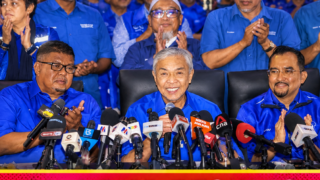
Barisan Nasional secretary-general Datuk Seri Dr Zambry Abd Kadir issued a statement dated Nov. 16 saying coalition chairman and UMNO president Datuk Seri Dr Ahmad Zahid Hamidi had received a copy of a resignation letter addressed to Tuanku Muhriz. The coalition thanked Ismail for his service and pledged cooperation with an orderly transition.
The palace issued a different procedural account the following day. Royal Comptroller Datuk Azizi Mohamad Ali said a person identifying himself as Hamidi from the law firm Shahrul Hamidi & Haziq delivered the letter to Istana Hinggap at 12:16 a.m. on Nov. 17.
The palace said it had not authenticated the letter. It also explained that the resignation becomes effective only with the ruler’s consent. These statements do not necessarily contradict the existence of a letter; they address whether the constitutional requirements for a completed resignation have been met.
Why the Nov. 20 royal audience matters
The palace stated that Ismail had requested an audience with Tuanku Muhriz. His request was approved and communicated at 8:38 p.m. on Nov. 16, before BN published its resignation announcement at around 10 p.m.
The audience is scheduled for 10 a.m. on Friday, Nov. 20. Its outcome had not been announced in the official material reviewed on Nov. 17.
An audience provides an opportunity to clarify Ismail’s position and the status of the letter. It should not be described as an acceptance of resignation, an appointment ceremony or proof that the ruler has decided who will govern next.
Analysis: This sequence shows why timing matters in constitutional reporting. A party statement describes political intent; a palace statement describes the institutional steps needed to give that intent legal effect.
How a new Menteri Besar would be chosen
The Laws of the Constitution of Negeri Sembilan provide for the appointment of a Menteri Besar by an instrument issued under the ruler’s signature and state seal. The broader executive framework connects the appointment to confidence within the state legislative assembly.
BN’s official statement recognised both requirements. It said Ahmad Zahid would present a proposed candidate while taking account of the position of assembly members and the ruler’s consent.
A proposed candidate is not an appointed Menteri Besar. The identity of a future officeholder should be treated as settled only when confirmed through the appropriate constitutional process.
This distinction also appears in WWC’s account of the Melaka state election and its proposed chief-minister appointment. The situations are different, but both illustrate why parliamentary support and a formal appointment should be reported separately.
The previous dispute over royal authority
The resignation announcement follows an extended dispute involving the position of Tuanku Muhriz. In a Sept. 15 statement, the Negeri Sembilan state administration said a Menteri Besar could not unilaterally terminate or vacate the office of the Yang di-Pertuan Besar and that questions concerning the royal institution must follow the state constitution.
That statement demonstrates the constitutional principles publicly acknowledged by the administration. It does not, on its own, settle every disputed claim or establish responsibility for previous decisions.
WWC’s earlier article on the challenge to Negeri Sembilan’s royal leadership provides the background to the latest confrontation. The current development is a separate question: whether the announced departure of the head of government has been properly completed.
Analysis: Constitutional disputes become especially difficult when political organisations and state institutions describe different stages of the same process. Clear official documents, rather than assumptions about personal motives, are needed to establish what has actually changed.
What the proposed transition means for the ruling coalition
BN’s statement said it wanted the leadership transition to restore political stability and ensure smooth administration. That is the coalition’s stated objective, not evidence that the political dispute has ended.
Ismail, the Juasseh assemblyman, was sworn in as Menteri Besar on Aug. 2, 2026. The official palace account confirms his position at the time of the latest announcement.
BN and UMNO remain important political actors in the state. WWC previously examined UMNO’s national election strategy after its gains in Negeri Sembilan. But a coalition’s electoral strength does not bypass the formal requirements for appointing or replacing a state government leader.
Analysis: The most immediate governance concern is continuity: who is authorised to make executive decisions while a resignation is pending, and how a successor would secure constitutional approval. The available statements provide no basis to claim the state legislature has been dissolved or that a fresh election has been called.
What happens next
The clearest next milestone is the Nov. 20 audience. A further palace statement or an authenticated instrument would establish whether Ismail’s resignation is accepted and whether the process of appointing a successor has advanced.
Additional records may clarify the identity of BN’s proposed nominee and the support available in the legislative assembly. Until those steps occur, political nominations should remain described as proposals.
The verified position as of Nov. 17 is straightforward: BN has announced a resignation, the palace has acknowledged receipt of a letter but not authenticated it, and the ruler’s consent remains necessary before the departure takes effect.
FAQ
Has Ismail Lasim officially resigned as Negeri Sembilan Menteri Besar?
BN announced that he had tendered his resignation. The palace said the letter was not yet authenticated and that the departure requires royal consent before taking effect.
When will Ismail Lasim meet the ruler?
The palace scheduled an audience for 10 a.m. on Friday, Nov. 20, 2026.
Who decides on Negeri Sembilan’s next Menteri Besar?
The ruler makes the formal appointment under the state constitution, taking account of the relevant legislative support and constitutional requirements.
Has BN appointed a successor?
No completed appointment was verified. BN said its chairman would submit a candidate for the ruler’s consideration.
Does this mean Negeri Sembilan will hold another election?
No state assembly dissolution or fresh election was established by the official statements reviewed.