Japan already operates a supply-chain security programme under its Economic Security Promotion Act. The Cabinet Office’s official programme page, updated on Nov. 20, 2026, identifies the products currently designated for government-backed supply-chain support. Organic chemicals are not separately identified in the published list. 内閣府+1
The programme covers products considered essential to people’s lives or widely relied upon by economic activity. Its designated categories include semiconductors, batteries, important minerals, natural gas, fertilisers, permanent magnets, machine tools, industrial robots, aircraft parts, ship components, cloud programmes, advanced electronic components, and specified medical and aerospace equipment. 内閣府
The distinction matters because designation is more than a policy label. Companies with approved supply-security plans can qualify for government support, including subsidies, long-term low-interest financing, credit guarantees and other forms of assistance. The framework is intended to encourage investment in production capacity, research and more resilient supply chains. 内閣府
The Cabinet Office’s latest published update also records amendments to the programme during 2026. These included new provisions concerning services essential to the supply of important products and the addition of extracorporeal membrane oxygenation equipment to the medical-device category. 内閣府
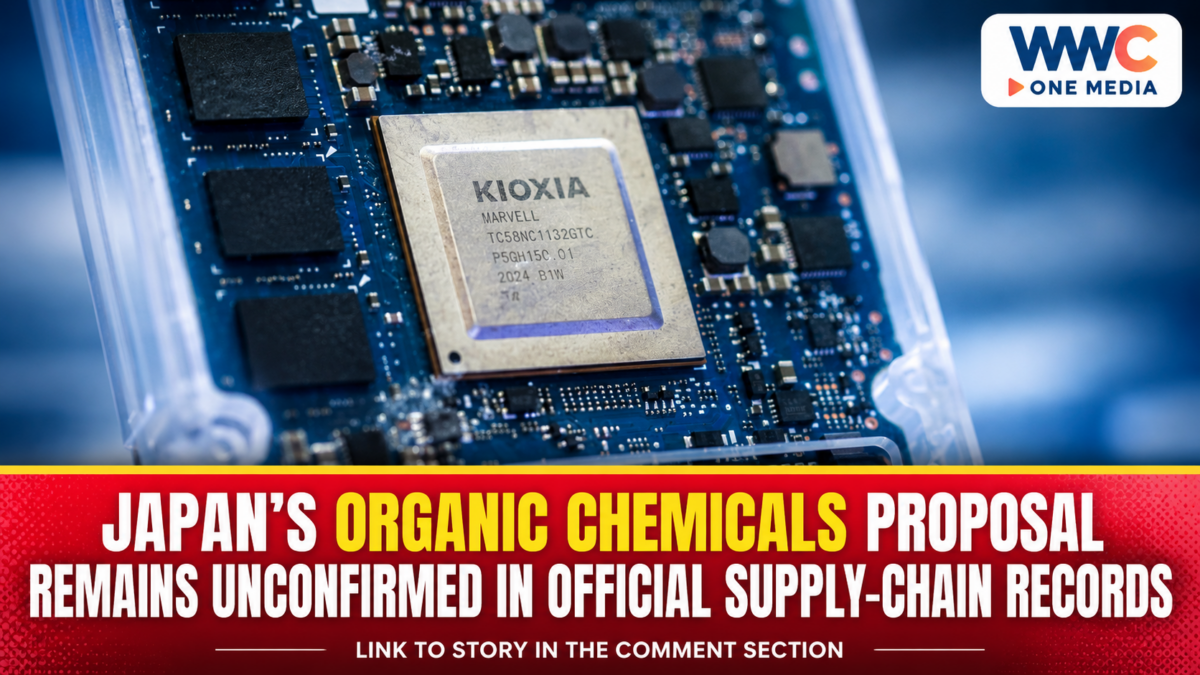
Organic chemicals are an important industrial input, including in the production of materials used by semiconductor manufacturers. However, the available government records do not establish that Japan has formally started the reported expert-panel discussions, identified specific chemical products for designation, or set a timetable for adding them to the list.
That is the key gap preventing publication of the proposed policy change as a confirmed government development.
The wider industrial context is documented. Japan’s official supply-chain programme already recognises semiconductors as a designated critical product, while its trade statistics show the importance of semiconductor-related components and manufacturing equipment in the country’s international trade. WWC has also examined the regional importance of specialised materials in its coverage of Taiwanese companies planning a semiconductor-chemical production venture in the United States.
For the Philippines, the issue is relevant because semiconductor manufacturing depends on reliable supplies of specialised materials and components. The country’s ambitions to attract more technology investment make regional supply-chain developments worth monitoring. WWC previously examined the industrial-capability questions surrounding Pax Silica and the proposed semiconductor opportunities in Clark.