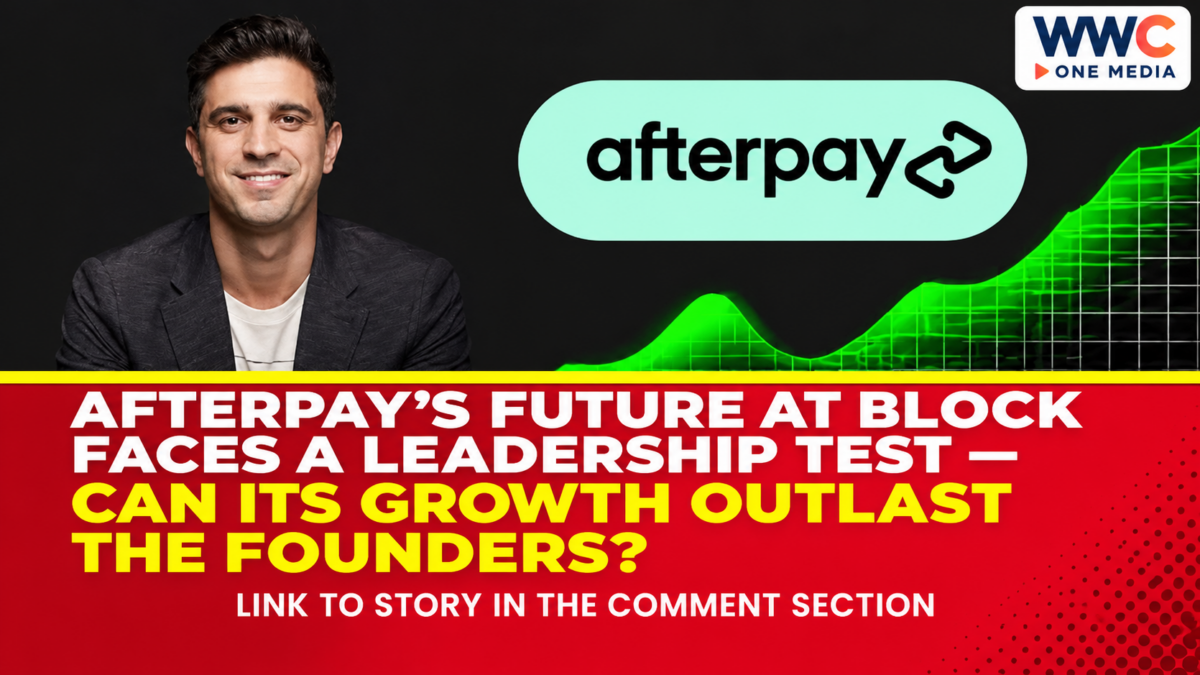
MANILA, Philippines — Nov. 14, 2026. Block Inc.’s latest financial disclosures show that its payments business is expanding as the company connects Afterpay, Cash App and Square more closely, raising a strategic question about how much its next phase depends on founder-led sales. A reported plan for Afterpay co-founder Nick Molnar to leave Block at year-end has not been corroborated in an accessible original company announcement or securities filing reviewed for this article.
The distinction matters. Molnar’s role in the combined business is documented, and Block has published measurable operating results. But those facts cannot establish the date, terms or reason for a future departure that the company has not confirmed in the records examined here.
Afterpay Block Strategy: From Acquisition to Shared Sales
Afterpay was founded in Australia in 2014 by Nick Molnar and Anthony Eisen. It became part of Block in 2022 after an acquisition negotiated when the US company was known as Square. The transaction joined an instalment-payment business with a merchant technology network and a consumer payment application.
Block’s August 2024 shareholder letter then appointed Molnar to lead centralised sales across the group, including Square, reporting to Jack Dorsey. This expanded his responsibilities beyond Afterpay’s original merchant relationships.
Analysis: A sales function that spans several products can reduce the cost of acquiring merchants and create opportunities to offer additional services to existing customers. But integration requires consistent pricing, account support and clear accountability; one founder cannot personally maintain every commercial relationship as a global platform grows.
What the November Earnings Filing Actually Shows
Block’s Nov. 3, 2026 shareholder letter reported US$3.24 billion in third-quarter gross profit, an increase of 22% from a year earlier. Cash App contributed US$2.07 billion, up 27%, while Square contributed US$1.16 billion, up 14%.
Those are gross-profit measures, not total company revenue or net income. They provide a useful picture of the economics of services after certain direct costs, but do not show how much profit Afterpay generated on a standalone basis.
Block also reported US$923 million in adjusted operating income for the quarter. Adjusted operating income is a non-GAAP measure, with reconciliations provided in the company’s shareholder letter. It should not be described as GAAP net income.
The earnings release confirmed operating momentum but did not disclose an agreed departure date for Molnar, a successor to his sales responsibilities or a transition payment.
WWC has previously examined Block’s separate US anti-money-laundering compliance exposure. That regulatory matter is relevant to the group’s wider risk profile, but it does not establish any connection to Molnar’s reported plans.
Afterpay Has Become Part of a Larger Payments Network
The November shareholder letter identifies several ways the businesses are being connected. Block said Fanatics selected Afterpay as its preferred buy-now-pay-later partner during the third quarter and that Afterpay Pay Monthly launched in Australia with Apple as its flagship launch partner.
Block also described new Cash App payment partnerships and a broader strategy to connect merchants with consumers. Cash App reached 60 million monthly transacting actives in September, using Block’s defined measure of accounts with at least one qualifying financial transaction during the month.
Analysis: The strategic value of Afterpay is therefore broader than collecting instalments. It can support merchant conversion, consumer discovery and payments inside an established ecosystem. Whether those benefits continue will depend on execution, credit performance and customer demand, not simply the presence of a founder in a particular executive position.
Buy Now, Pay Later Still Carries Consumer Obligations
In a December 2025 written response to US senators, Block and Afterpay described the traditional Pay-in-4 product as four scheduled payments over roughly six weeks. The companies said merchants generally pay a fee, while eligible consumers who pay on time incur no interest under that product.
Their letter also described limited late fees for missed payments, account pauses following nonpayment and different terms for longer-duration instalment products. Pay Monthly may involve an annual percentage rate; it should not be described as identical to the interest-free Pay-in-4 offering.
Block reported that 96% of Afterpay Pay-in-4 instalments globally were paid on time as of November 2025. This is the company’s own performance claim for a specified historical period, not an independent guarantee about current borrowers.
The relevance to the Philippines is visible in WWC’s coverage of Grab’s planned controlling investment in Atome Financial. That transaction is distinct from Block’s acquisition of Afterpay, but it illustrates how instalment lending is being integrated into larger financial platforms across Southeast Asia.
Why a Possible Management Change Would Matter
Analysis: A confirmed leadership departure could affect reporting lines, sales incentives and the way merchant partnerships are managed. The appropriate evidence would be an original management announcement, revised executive biography, employment-related filing where required, or a directly attributable statement from Molnar.
Afterpay continues to appear in Block’s current operating discussion and product announcements.
WWC’s report on Grab’s expanding financial-services ambitions provides another regional comparison. Both groups aim to connect payments with other financial and commercial services, but their products, regulatory obligations and customer bases differ.
For shareholders, the useful questions are whether customer acquisition remains efficient, loan losses stay manageable, merchants retain the service and the company continues to disclose comparable results. These measures provide more substance than speculating about an executive’s private motives.
What Happens Next
The next definitive development would be a dated statement from Block or Molnar confirming whether he will depart, when any change takes effect and who will assume his responsibilities. Block’s subsequent financial reports can then show whether merchant acquisition, gross profit and lending performance continue on the same trajectory.
The verified record already establishes Afterpay’s place within Block and the group’s recent growth. It does not yet independently establish Molnar’s reported year-end departure. That unconfirmed element should not be converted into an announced resignation in a headline or publication notice.
Frequently Asked Questions
Has Nick Molnar officially announced that he is leaving Block?
A first-party announcement confirming the reported year-end departure was not located in the Block, Afterpay or SEC records reviewed as of Nov. 14, 2026.
Who founded Afterpay?
Nick Molnar and Anthony Eisen founded Afterpay in Australia in 2014. Block completed its acquisition in 2022.
What does Molnar do at Block?
Block’s August 2024 shareholder letter appointed him to lead a centralised group sales function, including Square, reporting to Jack Dorsey. A later confirmed transition notice would be needed to establish a change.
Is every Afterpay instalment product interest-free?
No. Traditional Pay-in-4 is described as interest-free for qualifying on-time payments, while longer-duration Pay Monthly products can carry financing charges depending on their terms.