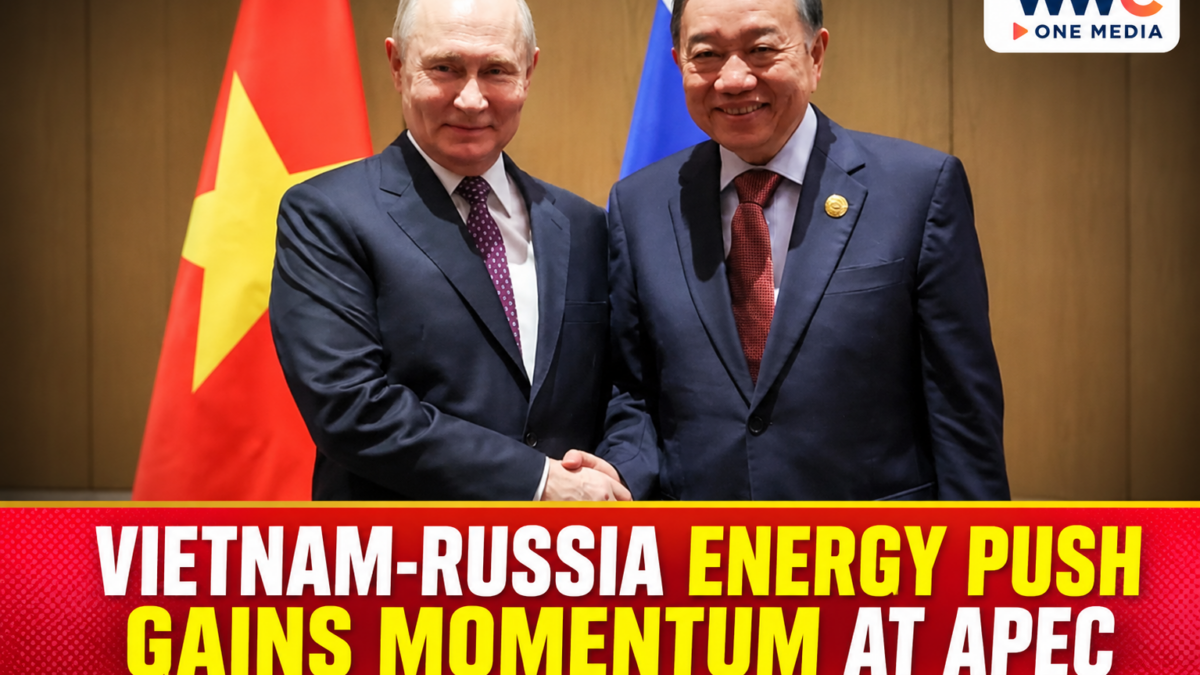
Vietnam and Russia have agreed to pursue wider cooperation in nuclear power, wind energy and gas-fired electricity after Vietnamese President To Lam met Russian President Vladimir Putin in Shenzhen, China, on Nov. 18, 2026. The discussion took place during the 33rd APEC Economic Leaders’ Week, adding fresh political backing to an energy partnership that already includes oil and gas projects and a nuclear-power agreement.
The meeting matters because Vietnam is trying to secure reliable electricity and diversify its energy mix while expanding industrial production. But the latest announcement should not be mistaken for a new oil or liquefied natural gas (LNG) purchase contract: the public record describes areas for cooperation, not newly disclosed supply volumes, prices or delivery schedules.
Vietnam-Russia energy cooperation moves beyond traditional oil and gas
The two countries have a long-standing energy relationship, but their latest agenda reaches beyond the established oil and gas sector.
Vietnam’s government account of the Shenzhen meeting says both leaders backed cooperation in traditional and emerging energy, specifically nuclear power, wind power and gas-fired electricity. They also agreed to strengthen collaboration in science and technology, innovation, digital transformation and workforce training.
The meeting followed To Lam’s state visit to Russia from Sept. 7 to 9. A joint statement issued after that visit described energy and oil and gas as a strategic area in the countries’ relationship and set out a wider programme covering investment, technology and infrastructure.
That sequence is significant: the APEC discussion was not the beginning of the relationship. It was another high-level step in implementing priorities already identified during the September visit.
Oil and LNG plans still need commercial details
The September joint statement provides a clearer picture of what the two governments want to develop in the conventional energy market.
It calls for more effective ongoing projects and expanded oil and gas cooperation. It also identifies prospective Russian crude oil and LNG supplies, alongside infrastructure in Vietnam for receiving, processing and storing hydrocarbon products.
Those provisions indicate areas where the countries want progress. They do not disclose a confirmed quantity of crude oil or LNG, a final price, a named buyer, a delivery timetable or a completed supply contract.
That distinction is important for energy markets. A government-level commitment can create a framework for companies to negotiate, but actual deliveries depend on commercial agreements, infrastructure, financing, regulatory requirements and the ability to carry out transactions.
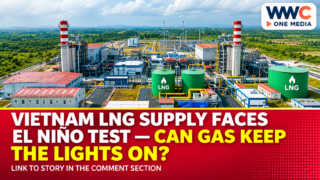
Vietnam’s immediate power-sector challenges make the LNG question especially relevant. WWC’s report on Vietnam’s LNG supply and the coming dry-season electricity test examines why gas-fired generation is receiving greater attention as the country manages hydropower and electricity-demand pressures.
Nuclear power is already part of the bilateral programme
Nuclear energy is not merely a new idea raised in Shenzhen. The September joint statement records that Vietnam and Russia signed an intergovernmental agreement on cooperation in constructing a nuclear power plant in Moscow on March 23, 2026.
The two governments said the project would prioritise nuclear and radiation safety, agreed timelines, localisation ratios and economic efficiency. The statement also links the programme to training Vietnamese specialists and developing technical capacity.
The same document says the countries will continue implementing a project to build a Nuclear Science and Technology Centre in Vietnam.
These details show that nuclear cooperation has moved beyond general expressions of interest into a formal government-to-government framework. However, the statement does not provide a current construction schedule, a project completion date or a final cost that can be used to measure implementation progress.
For Vietnam, nuclear power is part of a broader effort to balance dependable electricity with new sources of generation. WWC has previously examined Vietnam’s energy transition and its growing mix of renewables, storage, gas and nuclear power.
Wind power and existing plants remain part of the plan
The September agreement also says the countries will continue exploring Russian organisations’ participation in modernising existing Vietnamese power plants and constructing new generation facilities, including offshore wind projects.
This gives the relationship a wider scope than fuel supply alone. Cooperation could involve equipment, engineering, technical services, investment and the training of workers, depending on the projects eventually approved.
The wording is important: the joint statement says the sides will continue exploring participation. It does not confirm that a specific Russian company has won a new offshore wind contract or that a particular Vietnamese plant has been selected for modernisation.
For investors and electricity users, the next meaningful indicators will be project-level announcements. These would need to identify the companies involved, the scale of investment, the relevant approvals and the timetable for construction or upgrades.
APEC also gave Vietnam a diplomatic opening for 2027
The Shenzhen meeting covered more than energy. To Lam invited Putin to attend the APEC Economic Leaders’ Week in 2027 in Phu Quoc, Vietnam, combined with a bilateral visit.
Putin expressed support for Vietnam’s preparations to host APEC Year 2027. The two leaders also discussed strengthening contacts between government bodies and making better use of bilateral cooperation mechanisms, including the Vietnam-Russia Intergovernmental Committee on Economic, Trade and Scientific-Technological Cooperation.
The diplomatic context matters because large infrastructure and energy projects often require sustained coordination between governments, regulators, state-owned companies and private businesses.
Vietnam is also maintaining commercial engagement with other major economies. Its planned US business agreements involving companies such as SpaceX and Chevron illustrate the breadth of its external economic outreach. That wider engagement is relevant context, but it does not establish that Vietnam is choosing one energy partner over another.
A separate Thailand-Russia energy discussion also shows why diplomatic statements need to be distinguished from signed commercial supply arrangements.
What happens next
The next stage will be measured by whether the two governments and their companies turn the broad agenda into project-specific decisions.
For oil and LNG, the important details would include suppliers, buyers, volumes, pricing arrangements, infrastructure requirements and delivery schedules. For nuclear power, progress will depend on project implementation, safety requirements, technical preparation, workforce development and agreed timelines.
For wind power and plant modernisation, investors will need clear project scopes, approvals, financing and construction plans.
The Nov. 18 meeting reinforced the political direction of Vietnam-Russia energy cooperation. The September joint statement provides the more detailed framework behind it. But until new contracts, investment commitments or implementation milestones are publicly documented, the announcement is best understood as a renewed push to advance an existing partnership—not proof that new energy supplies or generating capacity are already secured.
Frequently asked questions
What did Vietnam and Russia agree on at APEC 2026?
Their leaders agreed to promote cooperation in traditional and new energy, including nuclear power, wind power and gas-fired power generation.
Did Vietnam sign a new Russian LNG supply contract at APEC?
The public account of the Nov. 18 meeting does not announce a new LNG supply contract, volume, price or delivery schedule.
Have Vietnam and Russia already agreed on nuclear power cooperation?
Yes. Their September 2026 joint statement records an intergovernmental agreement on constructing a nuclear power plant, signed in Moscow on March 23, 2026.
Are Russian companies confirmed to be building new offshore wind projects in Vietnam?
The joint statement says the countries will continue exploring Russian organisations’ participation in new generation facilities, including offshore wind. It does not name a newly awarded project.
When will Putin visit Vietnam next?
To Lam invited Putin to attend the APEC Economic Leaders’ Week 2027 in Phu Quoc and combine it with a bilateral visit. The public meeting account records the invitation and Putin’s support for Vietnam’s APEC preparations, but does not give a confirmed visit date.