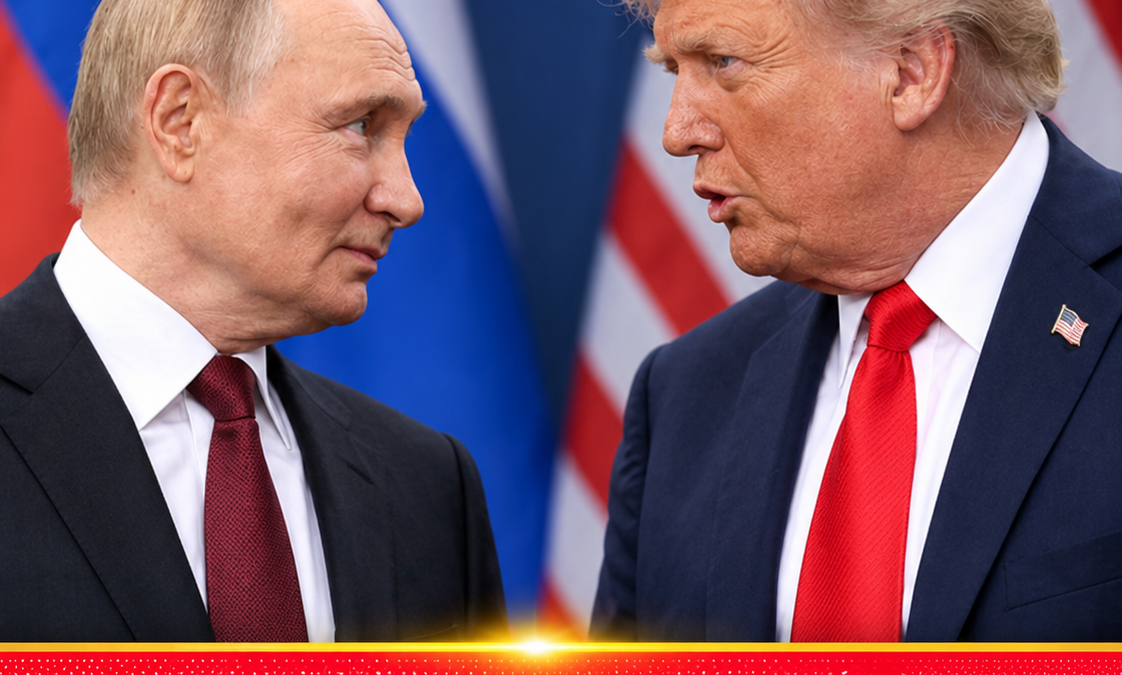
China’s latest public statements have clarified one important point: diplomatic communication is continuing, but Beijing has not publicly announced a final agenda or confirmed the specific arrangements for a meeting involving the leaders of China, the United States and Russia.
At a Nov. 12 Foreign Ministry briefing, spokesperson Mao Ning was asked about a possible meeting involving the three presidents during the upcoming APEC summit. She said China was communicating with relevant parties regarding a meeting between the three heads of state.
Mao repeated that position during the Nov. 13 briefing, adding that China would release further information in a timely manner if it became available.
The wording matters. It confirms that discussions are taking place, but it does not establish that the three governments have agreed on the meeting’s format, agenda or expected outcomes.
China’s diplomatic engagement also comes as the Philippines prepares for major regional discussions. The developments surrounding the Philippines’ preparations for the ASEAN summit and the arrival of world leaders provide a regional context for understanding how major-power diplomacy can affect Southeast Asian priorities.
Why Nuclear Arms Control Remains Part of the Discussion
A possible meeting involving Washington, Beijing and Moscow would raise questions about strategic stability and nuclear arms control.
The issue is not new. The United States and China have previously discussed nuclear transparency, including the possibility of reciprocal visits to nuclear facilities. WWC has also examined the US-China discussions on reciprocal nuclear-site visits, which illustrate why transparency and communication remain relevant to wider security discussions.
However, diplomatic discussions should not be mistaken for a treaty or binding commitment. Any agreement would need clearly stated terms, a formal process and a way to verify whether the parties are meeting their obligations.
Trade Relations Could Also Shape the Wider Conversation
Security is only one part of the relationship among the three powers. Trade, technology and access to critical materials remain important areas of interaction between China and the United States.
China’s rare-earth policies have already been a point of international business attention. The extension of China’s suspension of certain rare-earth export controls shows how policy decisions between major economies can affect manufacturers and supply chains beyond their borders.
For businesses, the significance of any high-level diplomatic meeting would depend on whether discussions lead to specific changes in trade rules, technology restrictions or investment conditions. Until governments announce concrete measures, companies should not treat diplomatic contact as a change in existing policy.
Why Ukraine Cannot Be Left Out of the Context
Any discussion of a possible meeting among Washington, Beijing and Moscow also raises questions about the war in Ukraine.
Ukraine is not one of the three countries involved in the proposed format. A conversation among the three powers would not, by itself, constitute an agreement with Kyiv or settle the terms of the war.
The distinction is important. Any claims about territorial arrangements, a peace settlement or decisions affecting Ukraine would require direct evidence from the governments involved. A historical comparison with the Yalta Conference should therefore be treated as an analogy or concern, not proof that a similar arrangement is being planned.
What a Meaningful Outcome Would Require
A high-level meeting can create an opportunity for direct communication, but its significance should be measured by what governments formally announce afterward.
For nuclear arms control, that would mean clearly identified commitments, rules for verification and a process for implementation. For Ukraine, it would require concrete steps that address the parties to the war rather than assumptions about what outside powers might agree among themselves.
For Asia-Pacific businesses, the practical test is whether the meeting produces enforceable changes in trade, technology or investment policy.
What Happens Next
China’s Foreign Ministry has indicated that communication with the relevant parties is continuing. The next important development would be an official announcement confirming whether a meeting will take place, who will participate and what subjects will be discussed.
Until then, the proposed gathering should be described as under discussion rather than confirmed.
Frequently Asked Questions
1. Has China confirmed a meeting between Trump, Xi and Putin?
China has confirmed communication with relevant parties about a possible meeting. The statements reviewed do not confirm final arrangements.
2. Where could the meeting take place?
The diplomatic discussions have been connected to the APEC gathering in Shenzhen, but the reviewed statements do not establish a confirmed venue or schedule for a separate trilateral meeting.
3. Will the meeting address the war in Ukraine?
No final agenda has been publicly confirmed in the statements reviewed. Any claim that a Ukraine settlement will be agreed upon would be premature.
4. Could the meeting affect global trade?
Potentially, if the governments announce concrete changes to trade, technology or investment policies. Diplomatic discussions alone do not change existing rules.