Diplomatic efforts involving the United States and Iran were active again in Doha as of Nov. 13, 2026, but the United Nations reported that negotiations remained deadlocked over nuclear issues and sanctions. The same briefing warned that maritime disruptions and attacks on commercial shipping continued to carry serious risks for the region and the global economy.
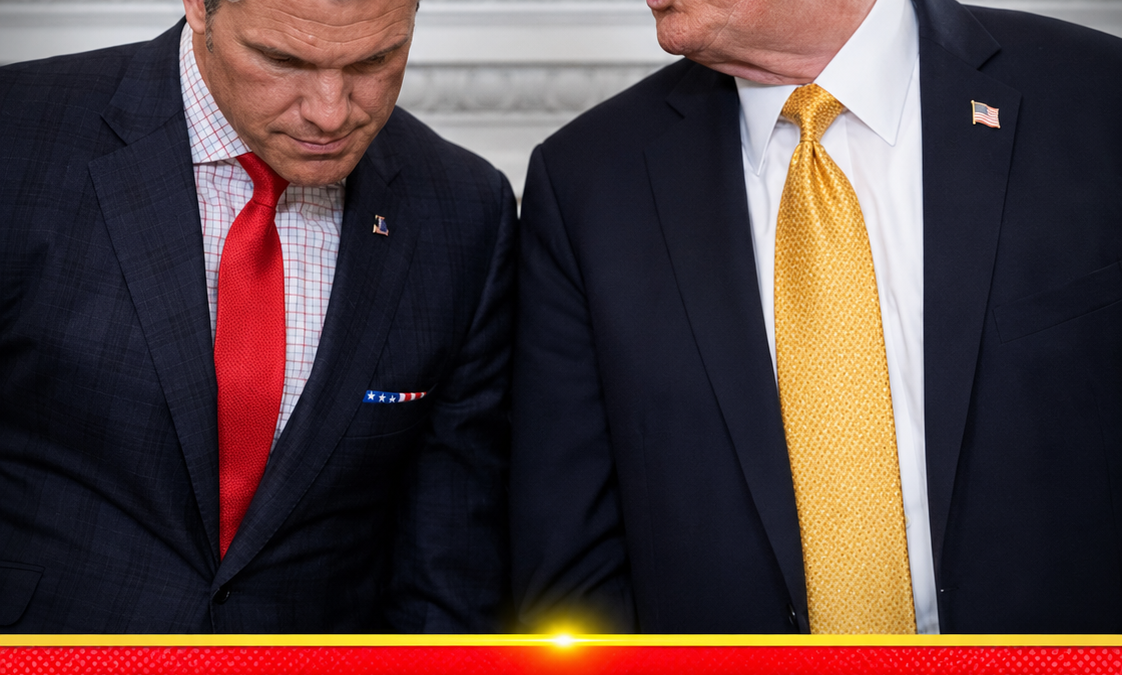
The diplomatic activity comes as US President Donald Trump continues to publicly emphasise preventing Iran from obtaining a nuclear weapon. A White House summary of his Nov. 8 television interview also records his assertion that the Strait of Hormuz was open.
The contrast matters. Diplomatic contacts are taking place, but the available UN record does not describe a comprehensive settlement or a return to normal maritime conditions. For energy-importing economies across Asia, the difference between a negotiating process and an enforceable agreement is significant.
Iran talks have resumed, but the main disputes remain
A Nov. 13 briefing by United Nations Assistant Secretary-General Khaled Khiari to the Security Council confirmed that diplomatic activities involving Iran and the United States had resumed in Doha and elsewhere in the region.
The briefing identified two major unresolved areas: Iran’s nuclear programme and sanctions. It also referred to the Islamabad Memorandum of Understanding reached by the two countries in June, describing the agreement as evidence that diplomacy could produce results.
However, the UN statement did not announce a completed settlement or confirm that the parties had resolved their central disagreements. It urged both sides to use the available diplomatic opportunities and negotiate in good faith.
That distinction is important. A resumption of talks means communication channels remain available. It does not mean the parties have agreed on the terms needed to end the conflict or establish a lasting arrangement.
The negotiations involve difficult questions that cannot be settled by a temporary reduction in military activity alone. Nuclear restrictions, sanctions, maritime access and regional security arrangements all affect the prospects for a durable agreement.
Trump’s public position keeps the nuclear issue in focus
The White House published a summary on Nov. 9 of Trump’s interview following the US midterm elections. In the section on Iran, the president reiterated that Iran should not be allowed to obtain a nuclear weapon.
The same White House summary included his comments about the Strait of Hormuz. Trump described the waterway as open and referred to oil movements through the route.
These are the administration’s public statements, not an independent assessment of the full security situation in the Gulf. The UN’s more recent briefing presents a more complicated picture, identifying continuing maritime incidents, restrictions on navigation and commercial vessels affected by the conflict.
The difference does not automatically mean the statements are mutually exclusive. A waterway can remain open to some traffic while shipping is still exposed to security threats, restrictions, delays or higher insurance costs.
For negotiators, the challenge is to turn public positions into practical commitments that can be monitored and maintained.
The UN has recorded continuing risks to commercial shipping
The Nov. 13 UN briefing provided a concrete measure of the maritime problem.
As of Nov. 11, the International Maritime Organization had recorded 134 confirmed incidents in the Strait of Hormuz and the wider Middle East maritime area. The UN briefing said 25 seafarers had lost their lives, while others had been injured or remained missing.
October recorded the highest monthly number of incidents involving commercial shipping since February 2026, the briefing said.
The figures show why the shipping issue remains central to diplomacy. The Strait of Hormuz is a critical route for energy shipments, and prolonged disruption can affect more than oil prices. The UN warned that maritime restrictions and insecurity were increasing energy, transport and insurance costs, while also threatening food security amid constrained fertiliser shipments.
The economic effects can spread through supply chains. Higher shipping and insurance expenses can increase the cost of moving fuel, agricultural inputs and other goods, even in countries far from the conflict.
The UN also said there had been no major military exchanges since early September, while warning that maritime incidents and rhetoric about renewed confrontation remained serious concerns. This distinction is important: the absence of major exchanges does not mean the region has returned to normal.
Why the negotiations matter to the Philippines and Asia
The consequences of a prolonged Gulf crisis extend beyond the countries directly involved.
Asian economies depend on energy and commercial goods moving through international sea routes. Any sustained disruption around the Strait of Hormuz can create uncertainty for importers, shipping companies and businesses that rely on predictable fuel and freight costs.
The Philippines has an additional concern: the safety of Filipino seafarers working on international vessels. WWC ONE MEDIA has previously reported on the return of Filipino crew members after a tanker attack in the Strait of Hormuz, as well as the repatriation of two seafarers who died in a separate incident.
The conflict’s wider implications have also been reflected in WWC’s coverage of oil-market volatility and the risk of renewed pressure on crude prices.
For a country that imports much of its petroleum, instability in a major energy corridor can become an economic concern through fuel costs, freight charges and the prices of goods. The exact impact depends on the duration of disruption, available alternative routes and movements in international energy markets.
WWC has also followed the latest US military activity around Iran’s Qeshm Island. That earlier development illustrates why diplomatic progress and military developments need to be assessed separately rather than treated as proof that the conflict has either ended or is certain to expand.
What a durable agreement would need to address
The UN briefing points to a broad set of issues that any lasting settlement would need to confront.
The nuclear file and sanctions remain unresolved. Maritime navigation also requires practical guarantees, including safe passage for commercial vessels and arrangements consistent with international law.
The UN has called for attacks on civilian vessels to stop and for navigational rights and freedoms to be restored. It has also urged regional governments to support confidence-building measures and continued diplomatic engagement.
These are not minor technical details. A political agreement that leaves shipping exposed to continuing threats may not restore commercial confidence. Likewise, a maritime arrangement that does not address the wider political and nuclear dispute may prove fragile.
The June memorandum demonstrates that the parties have previously reached an understanding. The current challenge is whether they can move beyond interim arrangements and agree on terms that both sides will implement.
What happens next
The immediate focus is whether the diplomatic activity in Doha can produce progress on sanctions, nuclear restrictions and maritime security.
The UN has welcomed the renewed engagement but has not announced a breakthrough. Its Nov. 13 briefing instead described negotiations as stalled on key issues and warned that the costs of continued maritime restrictions could increase over time.
The White House’s public position continues to emphasise preventing Iran from acquiring a nuclear weapon. Any change in the US approach should be assessed through formal statements, official decisions and the actual terms presented in negotiations.
Until a verifiable agreement is announced and implemented, shipping risks and uncertainty around the Strait of Hormuz will remain important concerns for energy markets, commercial operators and countries across Asia.
Frequently asked questions
Are the United States and Iran still holding talks?
The UN reported on Nov. 13, 2026, that diplomatic activities involving the two countries had resumed in Doha and elsewhere in the region.
Have the US and Iran reached a peace agreement?
The UN briefing did not announce a comprehensive peace agreement. It described negotiations on the nuclear issue and sanctions as stalled.
Why is the Strait of Hormuz important?
It is a major maritime corridor for energy shipments. Disruptions can affect shipping, insurance, fuel costs and the movement of other essential goods.
How many maritime incidents has the UN recorded?
The UN briefing said the International Maritime Organization had recorded 134 confirmed incidents in the Strait of Hormuz and the wider Middle East maritime area as of Nov. 11, 2026.
Could the conflict affect the Philippines?
Yes. Prolonged disruption to Gulf shipping can put pressure on imported fuel and freight costs. Filipino seafarers working on international vessels may also face safety concerns when maritime security deteriorates.