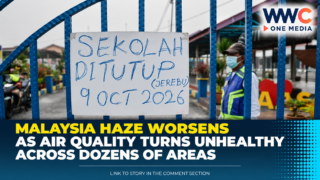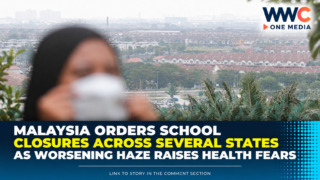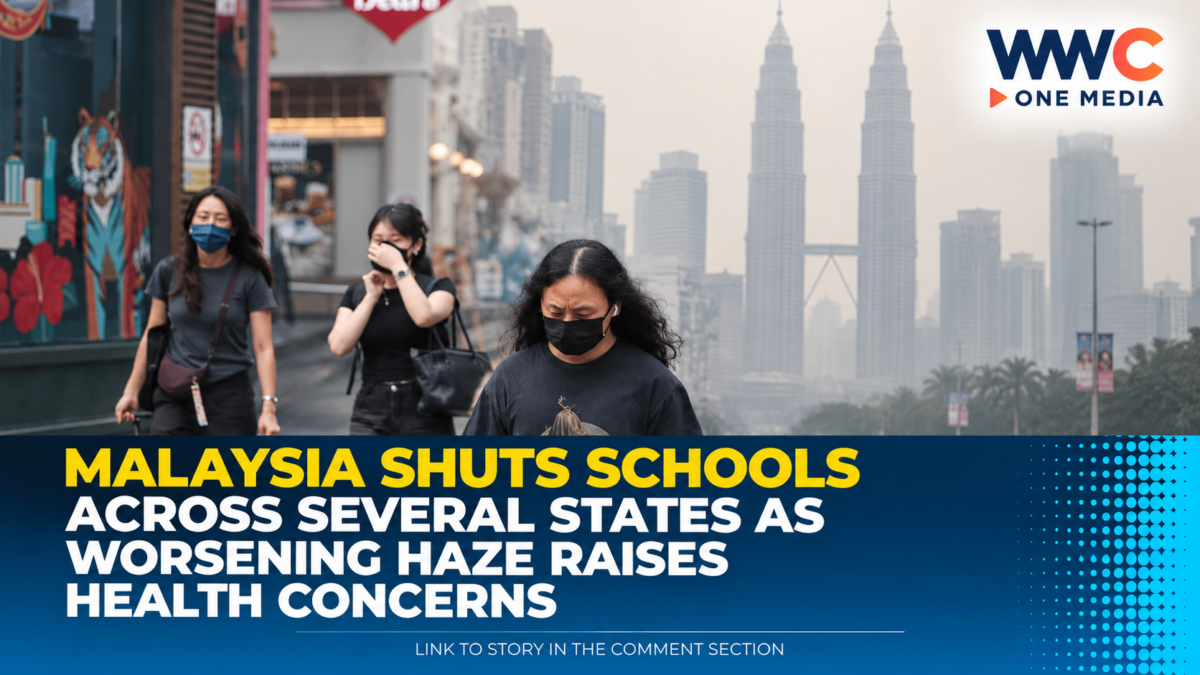
Malaysia has ordered schools in several states and federal territories to close as worsening haze pushes air pollution to unhealthy levels, disrupting classes and forcing education authorities to prioritise the safety of students and teachers.
The closures took effect on Friday, Oct 9, following a deterioration in air quality linked to forest and land fires in neighbouring Indonesia.
Education Minister Fadhlina Sidek announced that all schools in Johor, Melaka, Negeri Sembilan and Selangor, as well as Kuala Lumpur and Putrajaya, would close. Schools in the Rompin district of Pahang were also affected.
The decision came as haze spread across parts of the country, raising concerns about prolonged exposure to polluted air, particularly among children and people with existing respiratory sensitivities.
Schools Move to Home-Based Learning
Malaysia’s Education Ministry has instructed affected schools and educational institutions to switch to home-based teaching and learning to minimise disruption to students’ education.
Teachers and support staff are also allowed to work from home during the closures.
Authorities said the arrangements should take into account students’ access to learning resources, individual needs and teachers’ readiness to conduct lessons remotely.
Fadhlina acknowledged that school closures could disrupt parents’ daily routines and childcare arrangements. She said the ministry would work to ensure future announcements were made early enough for families to prepare.
Schools in other areas were expected to continue operating as usual, subject to changing air quality conditions and further instructions from authorities.
New Rules Set Thresholds for School Closures
The Education Ministry has established clearer criteria for closing schools during the haze crisis.
Educational institutions in areas where the Air Pollutant Index (API) exceeds 180 must close. Schools in areas where readings remain above 150 for three consecutive days must also shut from Oct 12.
The ministry said state education departments and district education offices would continue monitoring pollution levels and take action when the thresholds were reached.
Under Malaysia’s API classification, readings between 101 and 200 are considered unhealthy, while readings from 201 to 300 are classified as very unhealthy. Higher readings indicate increasingly dangerous air pollution.
Haze Linked to Fires in Indonesia
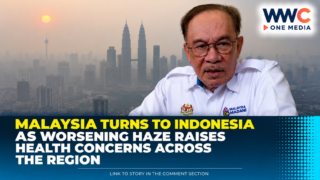
The latest haze episode has been linked to forest and land fires in Indonesia, where smoke has travelled across national borders and affected neighbouring parts of Southeast Asia.
Dry weather and ongoing fires in parts of Sumatra and Kalimantan have contributed to the pollution affecting Malaysia.
On Friday morning, 37 locations in Malaysia recorded unhealthy API readings, according to government data reported by local media.
The recurring haze problem has long posed challenges for countries in the region, with its severity influenced by weather conditions, fire activity and efforts to prevent land burning.
Authorities Urge Public to Stay Updated
The school closures underscore the health risks associated with deteriorating air quality and the need for authorities to respond quickly when pollution reaches dangerous levels.
Parents have been advised to follow announcements from their schools, district education offices and state education departments for updates on closures and reopening arrangements.
As the haze continues to affect parts of Malaysia, officials will monitor air quality closely and adjust measures according to local conditions.
For students and families, the immediate priority is protecting health while ensuring lessons can continue until it is safe to return to classrooms.