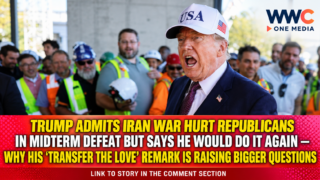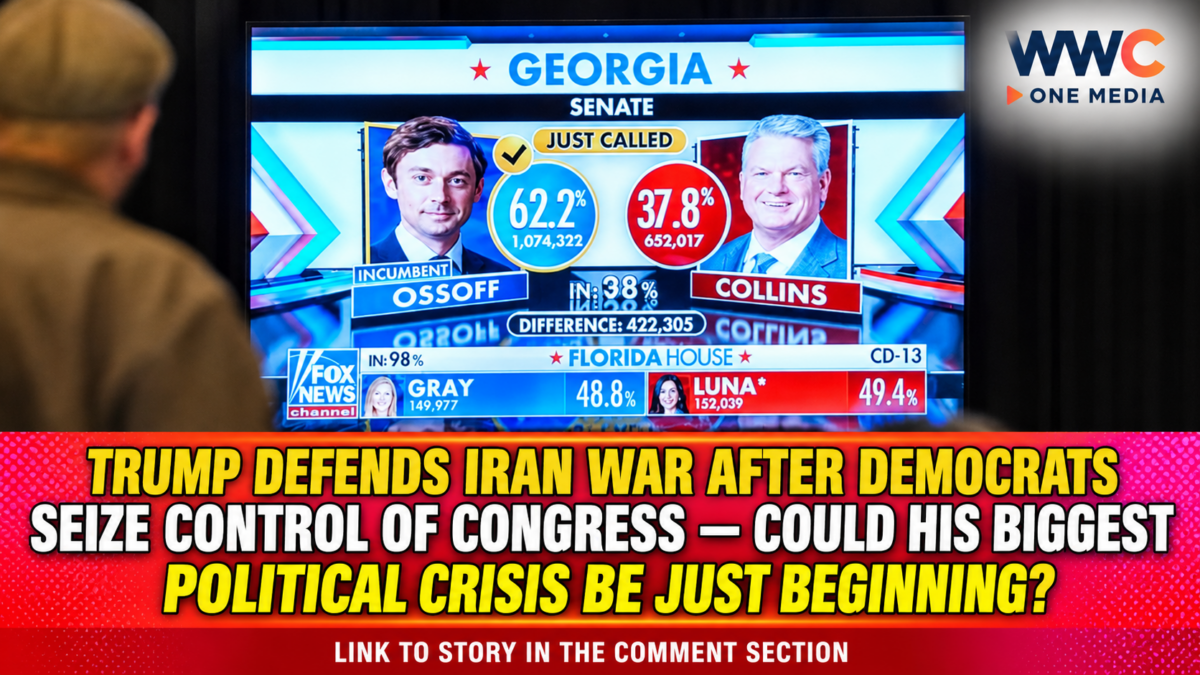
WASHINGTON, November 5, 2026 — US President Donald Trump is refusing to back down from his war against Iran despite a sweeping Democratic victory in the November 3 midterm elections that stripped Republicans of control of both chambers of Congress.
Trump has acknowledged that the conflict contributed to his party’s defeat, particularly by driving up gasoline prices and adding to the financial pressure on American households. But he continues to insist that the military campaign was necessary to prevent Iran from obtaining a nuclear weapon.
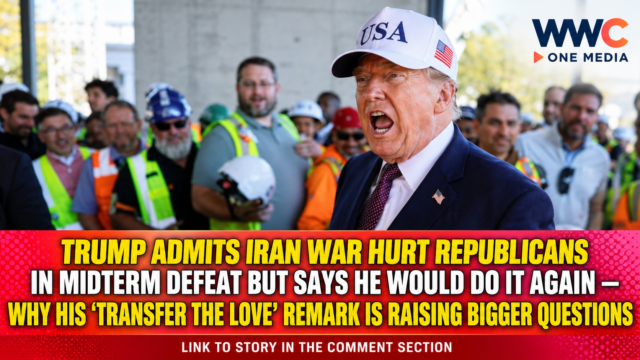
“The Iran thing, we had to do and we continue to do it,” Trump told reporters on November 4, according to The Associated Press.
The president also said he would have made the same decision again, even after voters delivered a major political setback to his administration.
The outcome has created a difficult new reality for the White House: Democrats now have greater power to investigate the administration, challenge its policies and block parts of Trump’s legislative agenda.
And the growing disagreement between Trump and Vice President JD Vance over the political cost of the Iran war could make the Republican Party’s post-election struggle even more complicated.
Democrats Take Control of Both Chambers After Major Republican Defeat
The November 3 midterm elections produced a significant shift in Washington.
Democrats won control of both the House of Representatives and the Senate, ending the Republican Party’s unified control of Congress and giving the opposition a stronger position for the final two years of Trump’s presidency.
The results included unexpected Democratic victories in traditionally Republican areas, demonstrating the extent of voter dissatisfaction with the administration.
The Associated Press described the outcome as a sweeping rejection of unified Republican control.
The political consequences extend beyond the number of seats won. Democrats will now control committee leadership, influence the congressional agenda and have greater authority to conduct oversight of the executive branch.
For Trump, the change means that advancing major legislation could become considerably more difficult.
Trump Admits Iran War Hurt Republicans but Refuses to Change Course
Trump acknowledged that the Iran conflict contributed to Republican losses, particularly because of its impact on gasoline prices.
Speaking to reporters, he said the war was partly responsible for the election result because it pushed fuel costs higher.
However, he argued that Americans understood the importance of preventing Iran from obtaining nuclear weapons and maintained that the military campaign was justified.
In a separate interview with The Wall Street Journal, Trump said: “I did the right thing. I would have done it again.”
The president’s response highlights the dilemma facing his administration.
The war may have damaged Republican candidates politically, but Trump appears determined to defend the operation rather than treat the election result as a reason to change military strategy.
He has also rejected suggestions that the election defeat should automatically lead to Cabinet changes.
Trump specifically defended Defence Secretary Pete Hegseth, saying he was doing a very good job despite growing congressional criticism of his handling of the conflict.
JD Vance Blames the Iran War for Republican Losses
One of the most striking developments following the election was Vice President JD Vance’s unusually direct criticism of the war.
In a November 4 post on X, Vance wrote: “The reason we lost is the war.”
He argued that Republicans needed to confront the political consequences of the conflict rather than dismiss the election result.
Vance also questioned whether the cost of the war was worth losing the Senate, pointing to the long-term political consequences of surrendering control of the chamber.
His comments were more forceful than Trump’s assessment.
While the president acknowledged that the war played a role in the defeat, he described it as one factor among several. Vance placed the conflict at the centre of the Republican setback.
Reuters reported that Vance’s statement could complicate Trump’s decisions about whether to restart major combat operations against Iran.
The vice president’s comments are also attracting attention because of his potential political ambitions ahead of the 2028 presidential election.
Although Vance has not formally launched a presidential campaign, his public position on the war could help define his relationship with Republican voters who are increasingly concerned about the conflict.
For additional background, read WWC One Media’s report on JD Vance distancing himself from Trump’s Iran war after the Republican election defeat.
Rising Gasoline Prices Become a Major Political Problem
The economic consequences of the war have become one of the most visible issues facing the administration.
Higher energy costs affect more than motorists. They can increase transportation expenses, shipping charges, manufacturing costs and the price of goods distributed across the country.
For American households already struggling with everyday expenses, higher fuel prices can reinforce dissatisfaction with the government’s economic performance.
Trump has argued that voters supported the objectives of the military campaign but were unwilling to accept the short-term financial consequences.
However, Republican Senator Ted Cruz offered a more critical assessment of the party’s election performance.
According to AP reporting, Cruz pointed to high gasoline prices, rising repossessions of homes and vehicles, and other signs of financial hardship. He said too many Republican politicians failed to understand or care about the difficulties facing ordinary Americans.
His comments suggest that dissatisfaction within the Republican Party extends beyond the Iran conflict.
The broader challenge is whether the administration can convince voters that its economic policies are improving their lives.
The war’s energy-market impact also matters internationally. Countries that rely heavily on imported petroleum, including the Philippines, can face higher fuel and transportation costs when global oil markets become unstable.
WWC One Media previously examined the financial burden of the conflict in its report on the estimated US$47.1-billion direct military cost of Trump’s Iran war.
That figure represents a reported estimate of direct US military costs through October 16, 2026, not the total economic cost of the war.
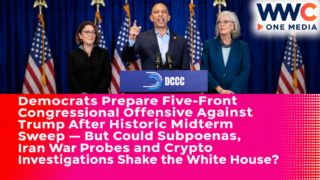
Democrats Prepare Investigations and a 100-Day Agenda
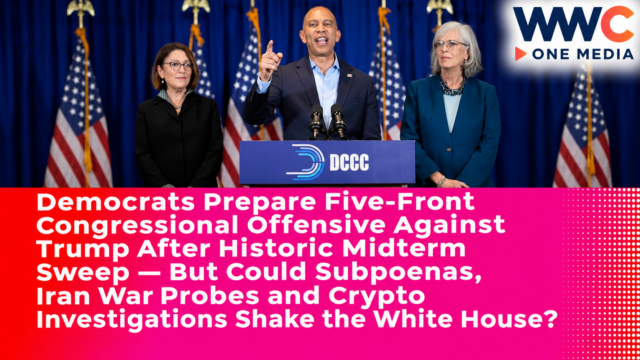
Democrats are already preparing to use their new congressional majority to challenge Trump’s policies.
According to AP, party leaders are developing a 100-day agenda focused on reducing the costs of gasoline, groceries and healthcare.
They are also preparing extensive oversight and investigations involving the president and his administration.
Potential areas of scrutiny include the Iran war, government spending, executive decisions and the conduct of federal agencies.
Impeachment has also been discussed as a possible option, but it is not a confirmed or inevitable outcome.
Democratic control of Congress gives the party greater authority to investigate and hold hearings, but it does not automatically remove Trump from office.
The president remains in office and retains his constitutional executive powers.
Democrats will also have to manage their own internal differences while demonstrating that their electoral victory can deliver practical improvements for voters.
Their biggest test may be whether they can turn public frustration into legislation that addresses the cost of living.
Trump Threatens to Veto Democratic Proposals
Trump initially suggested that he could work with Democrats after the election.
However, he later warned that he would use his presidential veto power to reject legislation he considers unacceptable.
That warning points to the possibility of a prolonged confrontation between the White House and Congress.
Even with control of both chambers, Democrats cannot simply implement their entire agenda without navigating legislative procedures, Senate voting requirements and the possibility of a presidential veto.
Overriding a veto requires a two-thirds majority in both the House and Senate, a threshold that is difficult to achieve.
As a result, major policy changes may require negotiations with Republicans or compromises within the Democratic Party itself.
The new balance of power could therefore produce legislative gridlock, particularly on contentious issues such as immigration, taxes, healthcare and military spending.
Mike Johnson’s Political Future Adds to Republican Uncertainty
The Republican Party is also facing questions about its leadership in the House.
AP reported that House Speaker Mike Johnson will not seek re-election as speaker, according to two people familiar with the matter.
That does not mean Johnson is necessarily leaving Congress. The development instead opens the door to a contest over who will lead House Republicans in the next Congress.
House Majority Leader Steve Scalise and Representative Jim Jordan have announced their intentions to seek the Republican minority leadership position.
The contest could expose disagreements over how the party should respond to its losses.
Some Republicans may want to continue defending Trump’s agenda, while others could argue that the party needs to change its approach to economic concerns, foreign policy and voter outreach.
The result could influence how effectively Republicans coordinate their opposition to the new Democratic majority.
Could Congress Limit Trump’s Iran War?
The election also raises renewed questions about congressional authority over military operations.
The US Constitution divides war-related powers between the president and Congress. The president serves as commander in chief, while Congress has powers that include declaring war, authorising military action and controlling federal spending.
The War Powers Resolution of 1973 also establishes procedures intended to limit prolonged military involvement without congressional authorisation.
Democrats could use their new majority to intensify scrutiny of the administration’s military decisions and challenge the legal basis, duration and funding of the Iran campaign.
However, controlling Congress does not automatically give Democrats direct command over US military operations.
Any attempt to restrict the president’s military authority would face legal, procedural and political obstacles.
WWC One Media previously covered congressional efforts to restrict Trump’s authority in its report on the US House voting to limit his Iran war powers.
The new Congress could bring the issue back into the spotlight, particularly if Trump considers another major military offensive.
Iran War Could Enter Another Dangerous Phase
Despite the Republican election defeat, Trump has not ruled out further military action against Iran.
Reuters reported that US officials had told the news agency that restarting major combat operations remained under consideration.
The administration therefore faces a difficult choice: pursue a diplomatic settlement, maintain pressure on Tehran or resume a broader military campaign.
Each option carries political and economic risks.
Another escalation could increase military spending, threaten shipping routes and place further pressure on global energy markets.
A diplomatic breakthrough, meanwhile, could give Trump an opportunity to argue that the military campaign achieved its objectives.
But negotiations remain difficult, with major disagreements involving sanctions, maritime access, security guarantees and Iran’s nuclear activities.
WWC One Media has examined the diplomatic impasse in its report on the United States and Iran remaining far apart on a peace deal.
Until a comprehensive agreement is reached, the possibility of renewed confrontation remains a concern for Washington and the wider region.
What the Midterm Defeat Means for Trump’s Final Two Years
The Democratic victory has changed the political landscape surrounding Trump’s second presidency.
The administration will now face stronger congressional scrutiny, tougher legislative negotiations and a more powerful opposition.
The Iran war could remain one of the biggest sources of tension, especially if the president continues military operations despite growing criticism from voters and members of his own party.
Republicans, meanwhile, must decide whether to remain closely aligned with Trump or adjust their political strategy ahead of the 2028 presidential election.
For Democrats, the challenge is equally significant. Their victory creates an opportunity to investigate the administration and advance their policy priorities, but voters will expect measurable results.
The election does not end Trump’s presidency or automatically stop his foreign-policy decisions. It does, however, make governing considerably more complicated.
THE BOTTOM LINE
Trump is standing by his Iran war even after voters handed Democrats control of both chambers of Congress.
The president has admitted that the conflict and rising gasoline prices contributed to Republican losses, but he insists the military campaign was necessary and says he would make the same decision again.
Vance’s direct criticism, the Republican leadership struggle and the Democrats’ plans for investigations suggest that the political fallout is only beginning.
The biggest question now is whether Trump will change his approach to Iran—or whether a new confrontation with a Democratic-controlled Congress could make the final two years of his presidency even more turbulent.