Singapore’s Ministry of Law has raised concerns about debt consultancy firms advising borrowers who are approaching bankruptcy, including cases involving loans taken shortly before bankruptcy applications. The government says it is preparing legislative changes intended to address practices that could undermine the Debt Repayment Scheme (DRS), placing the role of private debt advisers under renewed scrutiny.
The issue matters because people facing serious financial pressure may turn to paid consultants for help navigating complicated debt and bankruptcy procedures. But advice that encourages a borrower to take on more debt or misunderstand the conditions of a repayment scheme could leave that person in a worse position.
Singapore debt consultants: Why MinLaw has raised concerns
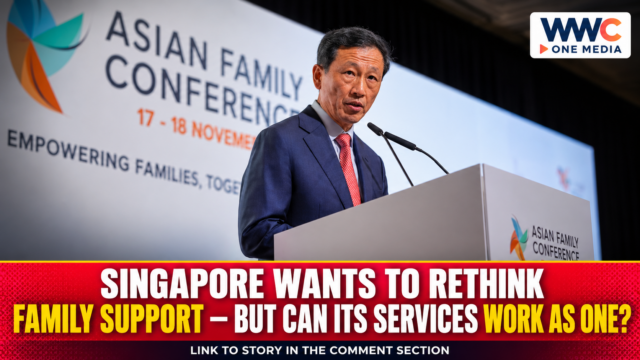
In a speech delivered on Nov. 7, 2026, Senior Minister of State for Law and Transport Murali Pillai said there had been cases involving borrowers who took loans from licensed moneylenders shortly before applying for bankruptcy.
He said the borrowers had apparently acted on advice from debt consultancy firms seeking to exploit the Debt Repayment Scheme, with no intention of fully repaying the loans.
The ministry did not identify the firms or borrowers in the speech. It also did not provide a number of affected cases, the amounts involved or the identities of any individuals under investigation. Those details should not be assumed.
The ministry said it had worked with the Credit Association of Singapore (CAS) to develop an advisory intended to educate borrowers against such behaviour. It also said legislative amendments would be proposed following a public consultation held in June 2025.
That distinction is important. The speech confirms the government’s concern and its policy response; it does not establish that every debt consultancy firm behaves improperly. Nor does it mean that a person seeking professional help with debt is automatically doing something unlawful.
What the Debt Repayment Scheme actually does
The DRS is a debt-resolution process administered by the Ministry of Law. It is intended to help eligible debtors avoid bankruptcy by arranging repayment of their debts through a structured plan.
The ministry’s public guidance explains that the scheme is not something a person can simply apply for through a standalone application. A bankruptcy application must first be filed, after which the case may be considered for referral to the Official Assignee to assess the debtor’s suitability.
The guidance identifies eligibility conditions, including a total debt ceiling of S$150,000 and an employment requirement. Meeting those conditions does not guarantee acceptance: the assessment may find a person unsuitable, and the person may ultimately become bankrupt.
This is one reason advice about the DRS should be checked against official information. A consultant cannot guarantee that a person will be admitted to the scheme or that a particular percentage of debt will be written off.
The Insolvency Office has also warned against claims that borrowers can secure very large reductions in their total debt. Its public explanation says DRS participants are expected to repay their debts to the best of their ability, and that a large discount is not guaranteed.
The proposed legal changes are aimed at a specific risk
The Ministry of Law’s earlier public consultation on proposed DRS amendments provides more detail about the policy direction.
One proposal was to create a new criminal offence targeting people who, in the course of business, solicit or canvass others to make bankruptcy applications. The ministry’s consultation response also discussed possible exemptions for selected regulated professionals, institutions of public character and social service agencies.
The ministry said it intended to monitor the effectiveness of the proposed offence before deciding whether a wider licensing or regulatory framework for debt consultancy firms was needed.
The consultation response also addressed misleading information about the DRS. MinLaw said it would look into a specific offence covering business communications that provide false or misleading information about the scheme.
These were proposals and policy intentions in the consultation documents. They should not be presented as laws already in force unless the relevant legislation has since been enacted and commenced.
The distinction matters for legitimate advisers as well as consumers. The consultation acknowledged that some debt consultancy firms provide genuine help with debt management and the preparation of legal documents. The policy challenge is to address harmful conduct without blocking people from obtaining legitimate assistance.
Borrowers have official alternatives to paid consultancy
MinLaw’s Insolvency Office lists several routes for people seeking help with debt. These include Credit Counselling Singapore, social service agencies and government-linked financial assistance resources.
Credit Counselling Singapore administers a Debt Management Programme, which is separate from the DRS. The two should not be confused: the DRS is administered by MinLaw and involves a court-related bankruptcy application process, while the Debt Management Programme is a separate debt-management service.
The ministry’s guidance also cautions consumers against paying large sums for advice based on promises that sound unusually generous. It says there are low-cost or free resources available and recommends that people who want professional support consider a non-profit organisation such as Credit Counselling Singapore.
For borrowers, the practical step is to verify the process before paying a consultant or signing documents. A person should understand what service is being provided, what fees are charged, whether the adviser is claiming government endorsement and whether the proposed steps match official DRS requirements.
WWC has previously explained how licensed pawnshop borrowing differs from other forms of credit. Comparing the legal structure of different borrowing options can help readers recognise that not every source of short-term cash operates under the same rules.
Why the distinction between advice and lending matters
Debt consultancy, licensed moneylending and banking are not interchangeable activities. A licensed moneylender is subject to a specific regulatory framework, while a debt consultant may be offering advice or document-preparation services. A consultant’s involvement does not turn that person into a licensed bank or moneylender.
MinLaw’s borrower guidance says consumers should verify a moneylender against the official list, read the loan contract carefully and ensure the terms are explained in a language they understand. It also says licensed moneylenders must provide borrowers with a copy of the contract.
The wider lending environment has also produced enforcement cases involving alleged unlicensed moneylending and alleged fraudulent loan applications. WWC has reported on 77 people investigated in Singapore over suspected unlicensed moneylending activities and a separate alleged mortgage-loan fraud case involving four men. Those cases involve different allegations and should not be treated as evidence against debt consultancy firms generally.
The broader lesson is that borrowers should know who is providing the service, what authority that person has and which institution is actually responsible for approving a loan or administering a debt programme.
What happens next
The Ministry of Law has said it will propose legislative amendments to address the misuse of the DRS. The public consultation response sets out the issues raised by respondents, including the need to preserve access to legitimate debt assistance while discouraging practices that could harm borrowers and creditors.
The next important step is the publication and progress of any proposed legislation. Until the changes are enacted and take effect, borrowers should distinguish between existing DRS requirements and measures that remain proposals.
People who are uncertain about their eligibility or the bankruptcy process can consult the Ministry of Law’s Insolvency Office directly or approach recognised debt-support organisations rather than relying on promises made in advertisements.
Frequently asked questions
Are debt consultancy firms regulated in Singapore?
The Ministry of Law’s consultation documents discuss proposed controls on harmful debt consultancy practices and possible exemptions for selected entities. They do not establish a comprehensive licensing regime for all debt consultancy firms.
Can a person apply directly for the Debt Repayment Scheme?
No. MinLaw’s guidance says a bankruptcy application must first be filed. The case may then be referred for an assessment of the debtor’s suitability for the DRS.
Does the Debt Repayment Scheme guarantee that debts will be reduced?
No. The ministry says DRS participants are expected to repay their debts to the best of their ability. A large reduction in total debt is not guaranteed.
Has Singapore already passed the proposed changes targeting debt consultants?
The Ministry of Law said it would propose legislative amendments following the public consultation. The proposal should not be described as enacted law without confirmation of passage and commencement.
Where can borrowers get help with debt?
Borrowers can consult the Ministry of Law’s Insolvency Office, Credit Counselling Singapore and relevant social service agencies. Official guidance and recognised support services can help people understand their options before paying a private consultant.