Bacolod’s Dengue Numbers Show Why Vigilance Matters
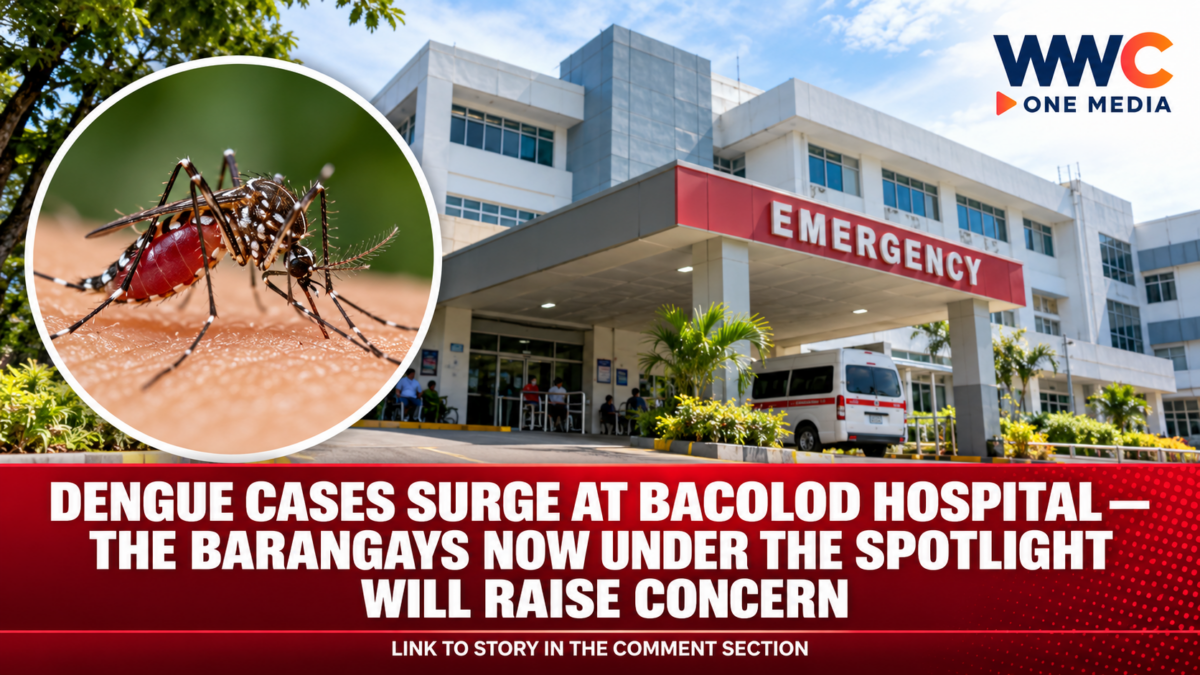
Separate figures from the Bacolod City Health Office showed that the city recorded 891 dengue cases from January through October 3, 2026, according to reports published by Radio Philippines Network and Negros Now Daily. Six dengue-related deaths had also been recorded by that date.
Barangay Mansilingan topped the city’s reported case count with 105 infections, followed by Handumanan with 77 and Estefania with 73. These figures cover a different reporting period from the hospital’s October 1–14 admissions and should not be added together.
The reports also highlighted the vulnerability of younger residents. Children and teenagers accounted for a substantial share of the city’s recorded dengue infections, underscoring the importance of prevention at home, in schools and throughout local communities.
Dengue Deaths Rise in Negros Despite Fewer Infections
The situation in Bacolod reflects a wider concern across Negros Island.
In an October 8 report, The Philippine Star cited Department of Health–Negros Island Region data showing 4,972 dengue cases from January 1 to September 19, 2026, a 33% decline from 7,451 cases recorded during the same period in 2025.
However, reported dengue-related deaths increased to 27 from 19 a year earlier. The regional tally included 16 deaths in Negros Occidental, six in Negros Oriental and five in Bacolod City.
DOH-NIR Assistant Director Adrian Hort warned that delayed hospital admission may have contributed to the higher fatality count. Some patients reportedly mistook early symptoms for ordinary flu and sought medical attention only after their condition worsened.
The figures illustrate an important distinction: fewer infections do not necessarily mean fewer deaths. Prompt recognition of symptoms and timely medical care remain critical.
How Residents Can Protect Their Families
CLMMRH urged residents to remove mosquito breeding sites and protect themselves against bites.
Recommended measures include:
- Remove standing water: Empty pails, flower vases, discarded containers and old tires at least weekly.
- Cover water storage: Keep drums and water containers tightly covered.
- Use mosquito protection: Apply repellents containing DEET or picaridin according to product directions, and use window and door screens.
- Keep surroundings clean: Dispose of cans and bottles properly and trim tall grass and weeds.
- Seek medical advice early: Consult the nearest health center or a healthcare provider if fever or other concerning symptoms develop.
Dengue is transmitted by infected Aedes mosquitoes. Symptoms can include fever, headache, pain behind the eyes, muscle and joint pain, nausea and rash. Severe dengue can develop rapidly and may be life-threatening.
Seek urgent medical care for warning signs such as severe abdominal pain, persistent vomiting, bleeding, unusual drowsiness or restlessness, or difficulty breathing. Warning signs can appear as the fever begins to subside.
National Decline Does Not Eliminate Local Risk
The Department of Health reported 192,112 dengue cases nationwide from January 4 to October 7, 2026, down 24% from 254,137 cases during the comparable period in 2025, according to the Philippine News Agency’s October 13 report.
Despite the national decline, the DOH identified localized increases in several provinces and highly urbanized cities. The agency also reported that dengue activity had generally been rising since early June.
For Bacolod residents, the message remains clear: a broader downward trend is no reason to ignore a local hospital alert.
Removing breeding sites, protecting children from mosquito bites and seeking timely medical attention can help reduce the risk of severe illness. With dengue cases continuing to reach hospital emergency departments, health authorities are urging communities to take preventive action before more families are affected.