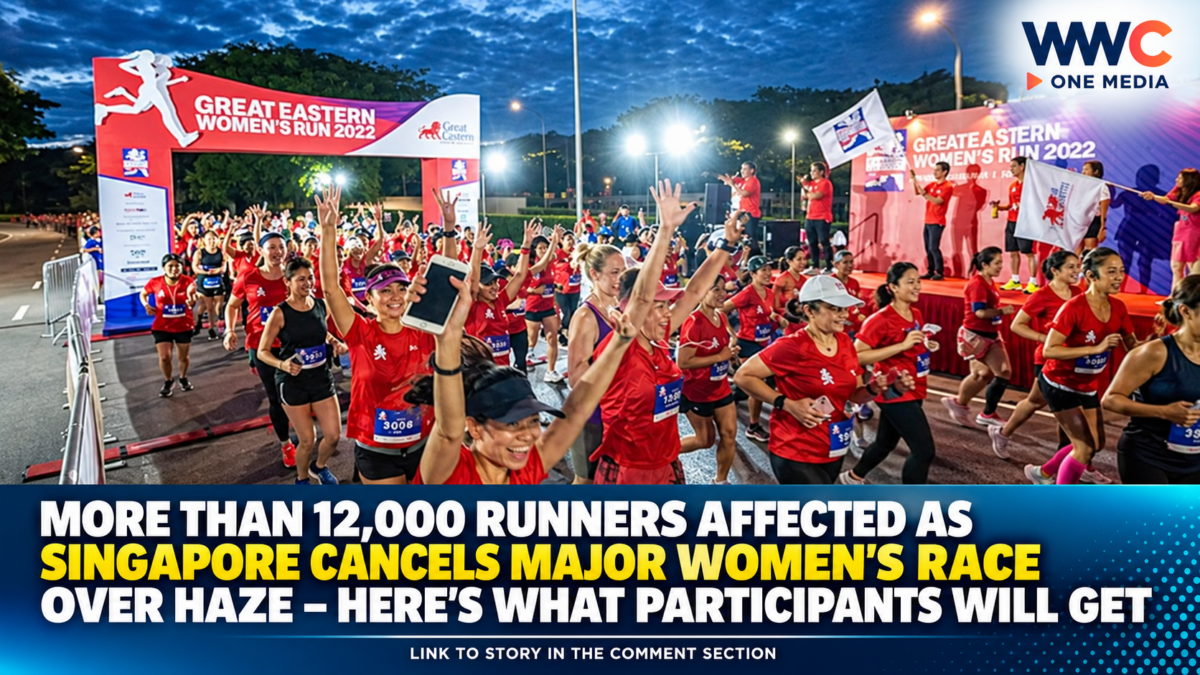
The cancellation of the Great Eastern Women’s Run in Singapore has highlighted the growing impact of deteriorating air quality, as haze conditions forced organisers to prioritise participants’ health and safety over one of the country’s major women-focused sporting events.
The decision affects thousands of women who had been preparing to take part in the annual running event. It also comes amid renewed concerns about Singapore’s air quality, with haze potentially creating unhealthy conditions for outdoor physical activities.
Organisers decided to cancel the event rather than expose runners, volunteers, spectators and event personnel to potentially harmful levels of air pollution.
Running in hazy conditions can place additional strain on the respiratory system, particularly because strenuous exercise increases breathing rates and the amount of polluted air inhaled. Exposure to fine particulate matter, especially PM2.5, can aggravate asthma, trigger respiratory symptoms and increase cardiovascular stress.
The risks can be particularly concerning for people with existing respiratory or heart conditions, children and older adults.
More than 12,000 participants had registered for the 2026 edition, making the cancellation a major disappointment for runners who had been preparing for the November 1 event. The race was expected to feature several categories, including the 21.1km half-marathon, 10km, 5km, a 2km Mummy & Me run and a 100m Princess Dash.
Why Organisers Cancelled the Event More Than Two Weeks Early
Organisers explained that the decision was based not only on current air quality but also on forecasts suggesting that haze could persist into early November.
They considered whether reducing race distances or modifying the programme could make the event safer. However, they concluded that these adjustments would not provide sufficient protection because runners, volunteers and event staff would still need to spend extended periods outdoors.
The possibility of postponing the race was also considered, but organisers said scheduling and operational constraints prevented them from identifying a viable alternative date.
Rather than wait until race day and risk a last-minute cancellation, they decided to announce the decision early.
More Than 12,000 Runners to Receive Refunds
Participants who paid registration fees will receive a full refund of their race fees, excluding the S$20 donation allocated to the event’s beneficiaries.
The beneficiaries include Daughters Of Tomorrow, which supports women facing employment challenges, and the Singapore Cancer Society.
Refunds will automatically be returned through the original payment method within six to eight weeks.
Although the physical race has been cancelled, participants will still receive commemorative finisher items, including medals and, where applicable, the 21.1km finisher shirts. Further details will be communicated by the organisers.
Singapore’s Haze Crisis Continues to Disrupt Outdoor Activities
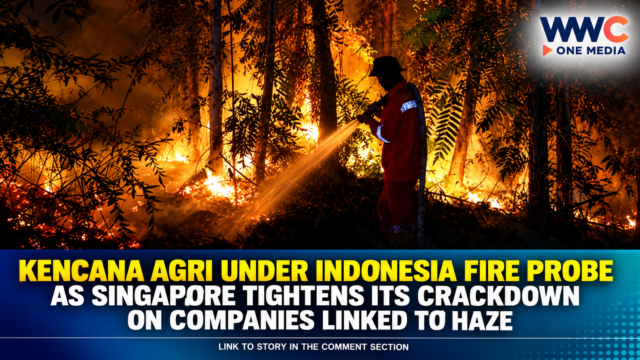
The cancellation comes as Singapore experiences a significant haze episode linked to forest and peatland fires in Indonesia.
According to the National Environment Agency’s October 16 update, Singapore’s 24-hour Pollutant Standards Index (PSI) forecast for October 17 was between 150 and 230, corresponding to unhealthy to very unhealthy air quality.
Smoke haze from fires in Kalimantan continued drifting towards Singapore, while smoke was also observed over Sumatra.
The situation has affected more than just recreational running.
The Straits Times reported that Singapore had recorded 12 consecutive days of unhealthy PSI readings since October 5, highlighting the prolonged nature of the pollution episode.
The Straits Times
+1
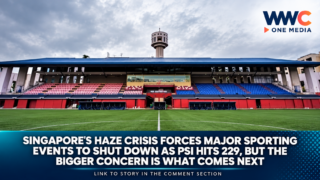
Other sporting and public events have also been affected. The ISCA Run 2026 was cancelled, while The Purple Parade, originally scheduled for October 24, was postponed to the first half of 2027.
CNA
+1
Reuters has also reported that widespread forest and peatland fires in Indonesia, intensified by exceptionally dry El Niño conditions, have contributed to severe haze across Southeast Asia.
Reuters
+1
Health Warnings as Haze Threatens Outdoor Exercise
Health authorities have repeatedly advised the public to monitor air quality before participating in outdoor activities.
Fine particulate matter known as PM2.5 is particularly concerning because these tiny particles can penetrate deep into the lungs and contribute to respiratory and cardiovascular problems.
Singapore’s NEA advises healthy individuals to avoid prolonged or strenuous outdoor physical exertion when the 24-hour PSI forecast reaches unhealthy levels. Older adults, pregnant women, children and people with chronic heart or lung conditions are advised to take additional precautions.
The agency also recommends checking one-hour PM2.5 readings when making decisions about immediate outdoor activities, as these readings provide a more current indication of exposure.
A Major Setback for Singapore’s Women’s Running Community
The Great Eastern Women’s Run is recognised as Southeast Asia’s largest all-women’s running event. Its 2026 cancellation is particularly significant because it was expected to mark the event’s 20th edition since its launch in 2006.
The only other time the event was called off was in 2020 during the COVID-19 pandemic.
This year’s cancellation demonstrates how environmental conditions can disrupt major sporting events, even when organisers have invested months in preparation.
For the thousands of registered participants, the refunds and commemorative items offer some consolation. However, the bigger concern remains whether Singapore’s air quality will improve sufficiently for outdoor sporting activities to return to normal.
With haze conditions still unpredictable and regional fires continuing to affect air quality, public safety is likely to remain the priority for event organisers in the coming weeks.