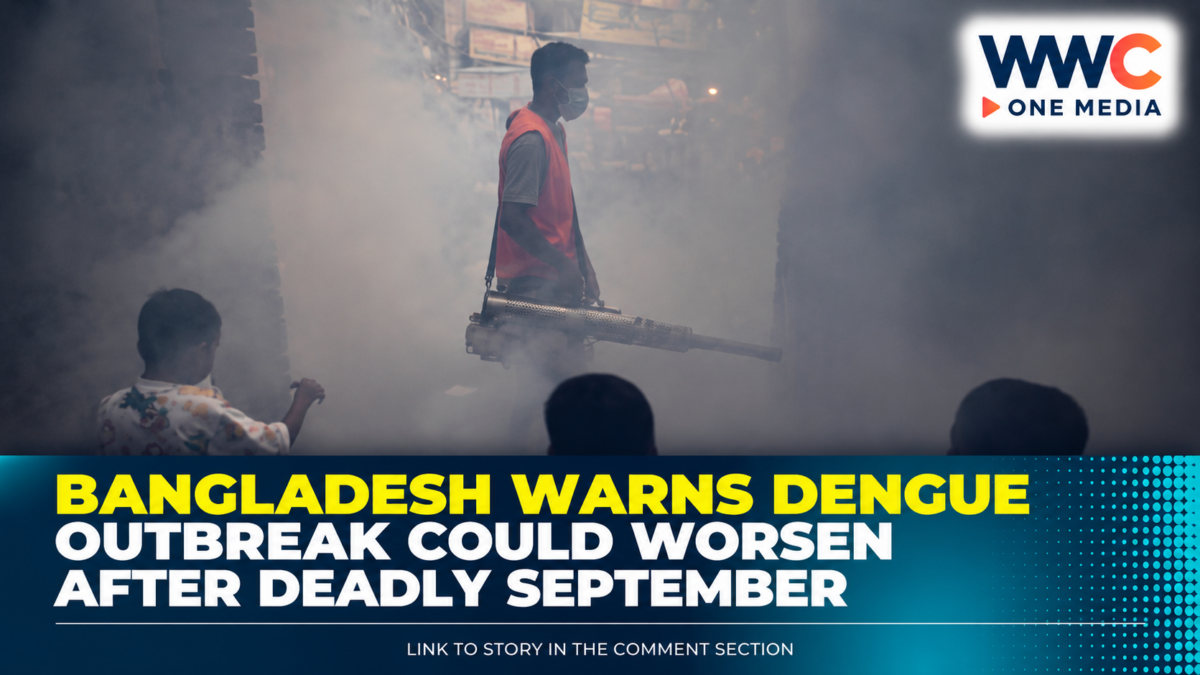
Bangladesh is entering October with growing concern over a worsening dengue outbreak after September became the deadliest month of the year, with health experts warning that continued rainfall and changing weather conditions could keep infections rising.
At least 245 people have died from dengue in Bangladesh this year, while nearly 80,000 patients have been admitted to hospitals since January. September alone accounted for 148 deaths, making it the country’s deadliest month for the mosquito-borne disease so far in 2026.
Health experts are particularly concerned that the outbreak could intensify further in October, traditionally one of the peak periods for dengue transmission in Bangladesh. Medical entomologist Kabirul Bashar of Jahangirnagar University said forecasting models indicate the situation could worsen this month as the effects of September’s rainfall continue to influence mosquito breeding and transmission.
The Aedes mosquito, which transmits dengue, breeds in stagnant water. Experts said recent rainfall and changing weather patterns have created conditions that can support mosquito populations for longer periods, while the spread of the disease-carrying mosquitoes beyond major cities has turned dengue into a nationwide public-health challenge.
Bashar said there can be a delay of roughly 45 to 60 days between rainfall and increased dengue transmission. That means the heavy rains recorded in September could continue contributing to infections well into October, even if rainfall patterns change.
The latest government figures show how quickly the outbreak has intensified. On October 1, Bangladesh recorded 1,978 new hospital admissions in a 24-hour period and four additional deaths, according to the Directorate General of Health Services. The cumulative number of hospitalised patients reached 81,598.
September’s death toll represented a sharp increase from the previous month. Bangladesh recorded 43 dengue deaths in August before the number more than tripled to 148 in September. The surge pushed the year’s total to 245 deaths.
Hospitals are under increasing pressure as large numbers of patients seek treatment. Some facilities have struggled to accommodate the influx, with patients and medical workers describing crowded wards and difficulties finding available beds.
The dengue crisis is also unfolding alongside another major health emergency. Bangladesh is dealing with a severe measles outbreak that has killed more than 1,100 children this year, placing additional pressure on hospitals and healthcare workers already dealing with high dengue admissions.
The simultaneous outbreaks have raised concerns about the capacity of Bangladesh’s healthcare system to handle sustained demand. Dengue patients can require monitoring and treatment for complications, particularly when severe illness develops, adding to the burden on already crowded medical facilities.
Health specialists are urging communities to play a more active role in preventing dengue transmission. They say eliminating stagnant water around homes, workplaces and public areas is essential because Aedes mosquitoes can breed in relatively small collections of standing water.
Experts have also warned that relying solely on fogging or pesticide spraying may not be enough. Eliminating mosquito breeding sites is considered an important part of controlling transmission because adult mosquitoes can continue emerging when standing-water sources remain available.
Authorities have also encouraged people to seek medical attention promptly when dengue symptoms develop. Early symptoms commonly include fever, muscle and joint pain, while severe dengue can lead to serious complications requiring hospital care.
The government has been stepping up its response as cases rise. Bangladesh has also received international assistance, including 500,000 rapid dengue test kits from the United States to help improve early detection and strengthen the country’s response to the outbreak.
The scale of the current outbreak remains below Bangladesh’s record dengue year in terms of total hospitalisations, but officials and health experts are closely watching the October trend. In 2023, the country recorded more than 321,000 hospital admissions and 1,705 deaths from dengue, according to health authorities.
With October now underway, health officials face the challenge of limiting transmission while hospitals continue treating patients from both dengue and measles. Experts say sustained community participation, mosquito-control measures and timely medical treatment will be important as Bangladesh moves through another high-risk period for dengue.