BRUSSELS, Belgium — November 27, 2026 — Ukraine peace talks are facing another diplomatic challenge as European Union foreign policy chief Kaja Kallas insists that Europe must influence negotiations over the future of Ukraine, while maintaining that a ceasefire should take priority over wider discussions with Russia.
European governments and Ukraine have intensified coordination over their negotiating positions, future security guarantees and diplomatic efforts involving the United States.
However, determining who represents Europe and what issues should be negotiated first remains a significant political challenge.
The diplomatic developments carry consequences beyond Europe, with international food supplies, energy markets, maritime security and global economic stability also at stake.
Ukraine peace talks: Kaja Kallas defends Europe’s diplomatic role
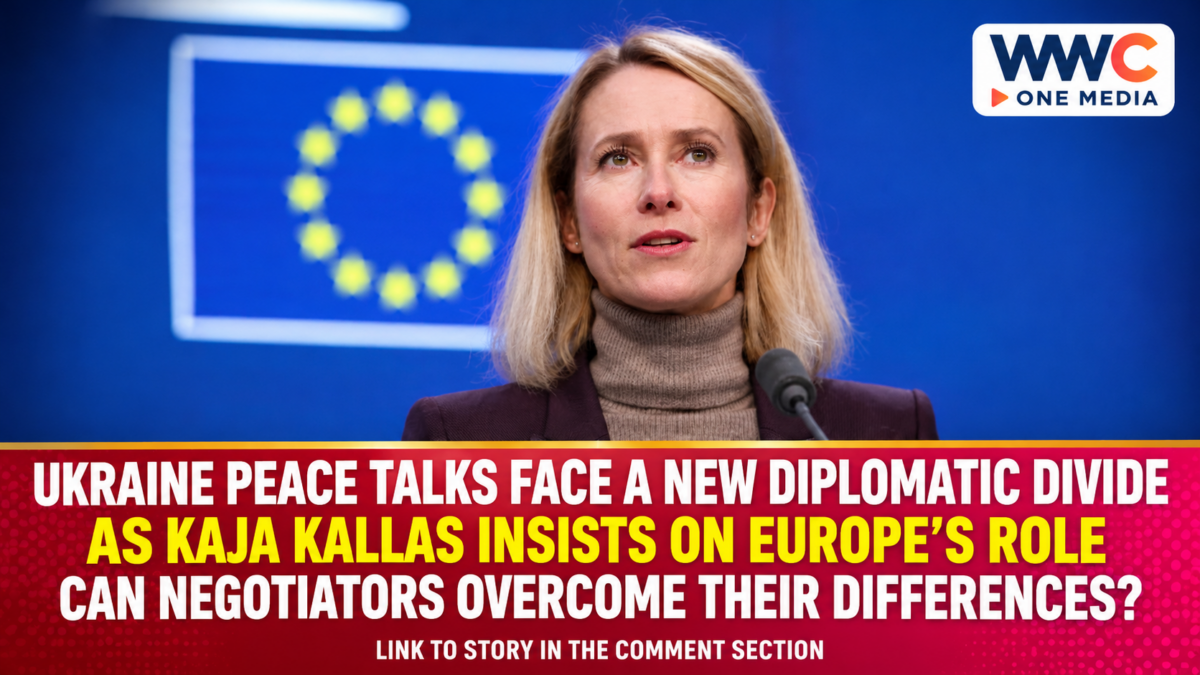
Speaking in Dublin on November 13, Kallas defended her responsibilities as the European Union’s High Representative for Foreign Affairs and Security Policy.
She acknowledged Russia’s opposition to her involvement but questioned whether Moscow should have influence over Europe’s choice of representative.
Kallas explained that her responsibilities were established through decisions made by EU leaders in 2024 and that her negotiating position represents the collective interests of the bloc’s 27 member states.
She also acknowledged that European leaders retain the authority to establish a different negotiating arrangement.
By November 16, Kallas confirmed that European governments had agreed on their representation and called for greater attention to the substance of negotiations.
The distinction is important: European participation does not automatically mean that every senior EU official will personally take part in direct discussions with Moscow.
Five European countries join diplomatic framework
Ukrainian President Volodymyr Zelenskyy announced on November 16 that Europe would be represented in negotiations through France, Germany, the United Kingdom, Italy and Poland, alongside representatives of the European Commission, European Council and NATO.
The Ukrainian president also confirmed that American representatives Steve Witkoff and Jared Kushner participated remotely in discussions involving Ukrainian, European and American negotiating teams.
The diplomatic framework brings together governments and institutions with overlapping responsibilities for Ukraine’s future security.
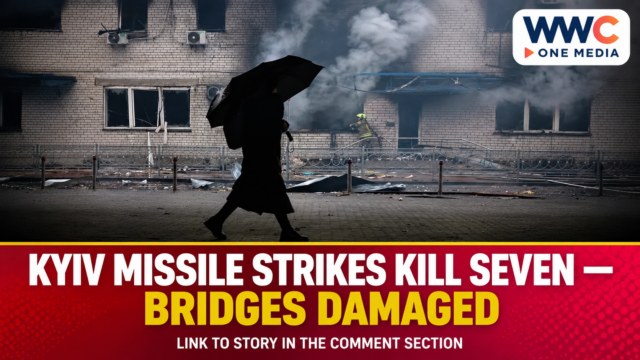
Meanwhile, the continuing conflict has placed enormous pressure on civilian infrastructure, as documented in earlier coverage of the November 20 aerial assault and disruption to Kyiv’s critical infrastructure.
Europe insists on a ceasefire before wider security negotiations
Kallas has repeatedly argued that stopping the fighting should come before negotiations concerning Europe’s broader security arrangements.
During the November 13 meeting in Dublin, she cautioned against allowing discussions about European security to overshadow the immediate objective of ending hostilities.
The position was reinforced on November 19 when leaders from Germany, France, the United Kingdom and Ukraine issued a joint declaration following diplomatic discussions in Berlin.
The leaders supported direct negotiations between Ukraine and Russia involving American and European participation.
They also maintained that international borders must not be altered through military force and that Ukraine must retain the authority to determine its future security relationships.
These commitments establish the negotiating principles supported by the participating governments. They do not, however, constitute a peace agreement accepted by Moscow.
European leaders push for legally binding security guarantees
The November 19 declaration also emphasised the importance of establishing credible, legally binding security arrangements after a ceasefire takes effect.
Potential arrangements include international monitoring of a ceasefire, continued assistance to Ukraine’s defence forces and commitments to respond to future aggression.
The proposals are intended to address the possibility of renewed hostilities after an agreement is reached.
Long-term recovery presents another major challenge. The humanitarian consequences of the war extend beyond active combat, including the dangers associated with unexploded weapons and contaminated land.
These concerns are reflected in the continuing international debate over Ukraine’s landmine treaty obligations and civilian protection.
Why Ukraine peace negotiations matter to Asia-Pacific economies
The economic consequences of the Russia-Ukraine war extend well beyond European borders.
During the G20 foreign ministers’ meeting on October 30, Kallas highlighted the relationship between armed conflict, agricultural exports, energy supplies and international commerce.
She called for stronger protection of commercial shipping in the Black Sea to help maintain agricultural exports and reduce disruptions to global food distribution.
European leaders subsequently included maritime security and uninterrupted food exports among their diplomatic priorities.
For Asia-Pacific economies, these developments are relevant to commodity markets, agricultural imports, international shipping and energy supply chains.
The vulnerability of energy infrastructure has also been highlighted by developments involving Russia’s Ust-Luga oil export hub.
A sustainable reduction in hostilities could help reduce certain geopolitical risks affecting international commerce, although it would not guarantee immediate declines in food or energy prices.
What happens next?
The immediate diplomatic challenge is converting political commitments into arrangements that Ukraine, Russia and participating international governments can accept.
European leaders have proposed an energy ceasefire during the winter and a separate cessation of hostilities to protect food shipments through the Black Sea.
Whether these initiatives can develop into enforceable agreements remains uncertain.
The difference between agreeing on negotiating representatives and reaching a peace settlement remains substantial.
For now, the central question is whether the parties can establish a mutually accepted process that delivers measurable progress towards ending the war.