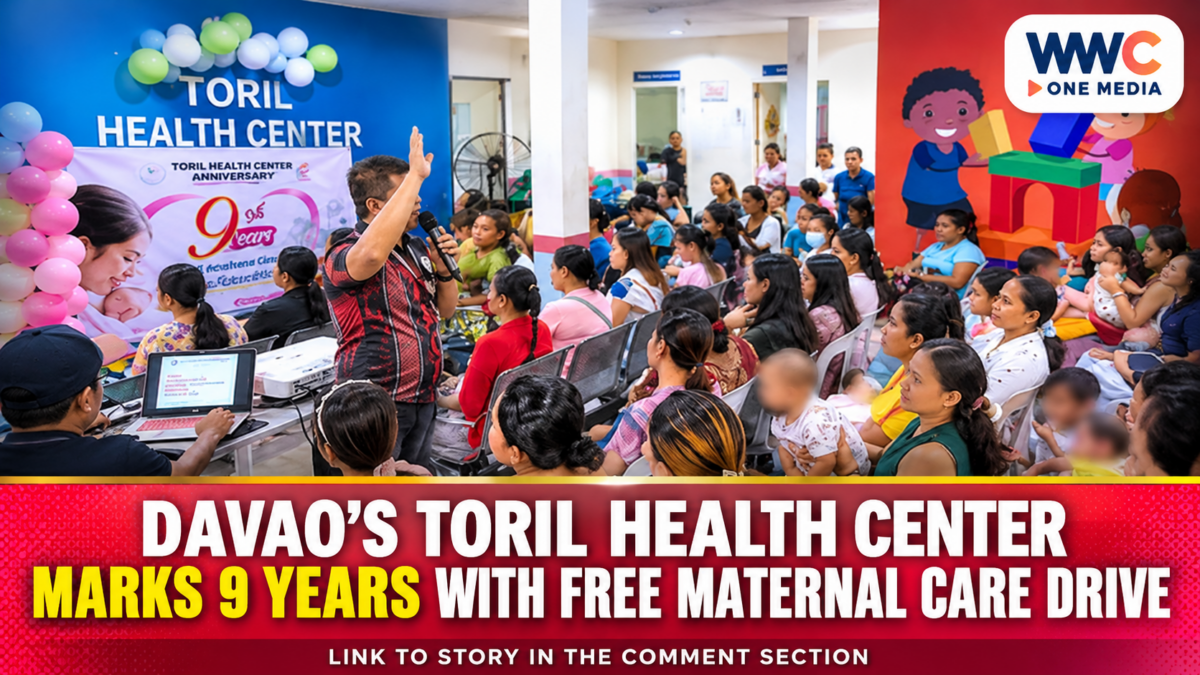
DAVAO CITY, Philippines — November 25, 2026 — Nine years after beginning its service to mothers and children, the Toril Health Center Birthing Home is putting pregnancy safety, breastfeeding support and early maternal care in the spotlight as Davao City strengthens its community-based health services.
The Davao City Health Office marked the facility’s ninth anniversary through Buntis Congress 2026, bringing together at least 60 pregnant and lactating mothers from 15 barangays in Toril A District for free maternal health services and health education activities.
The gathering focused on a critical message for expectant mothers: regular prenatal checkups, proper nutrition, appropriate supplements and timely medical consultation can help identify potential problems before they become more serious.
But the anniversary was not just a celebration of the facility’s years of operation. It also highlighted the continuing need to make maternal and newborn care accessible to families beyond major hospitals.
60 mothers from 15 barangays join Toril’s Buntis Congress
The Buntis Congress brought together mothers from communities across Toril A District for discussions and activities covering antenatal care, postpartum care, immunization, family planning and proper nutrition during pregnancy.
Dr. Dianne Marinella Castillo, Toril District Health Officer, emphasized the importance of giving pregnant women reliable information so they can make informed decisions throughout pregnancy and after childbirth.
The health education sessions also covered the foods expectant mothers should eat and the supplements they may need during and after pregnancy.
Castillo reminded participants that prenatal consultations should not be postponed, particularly when a pregnant woman experiences unusual symptoms.
She also cautioned against taking medicines without professional guidance because some medications may not be safe during pregnancy.
Why prenatal checkups matter
During the event, Castillo advised pregnant women to complete approximately eight to 12 prenatal visits throughout pregnancy.
The recommendation is consistent with the broader direction of the World Health Organization, which recommends at least eight antenatal care contacts with qualified health professionals during pregnancy.
These contacts allow healthcare providers to monitor the health of the mother and developing baby, identify possible complications, provide nutritional guidance and arrange appropriate interventions when needed.
The timing of the first consultation also matters. Early prenatal care gives healthcare professionals an opportunity to assess the pregnancy and identify health concerns that may require closer monitoring.
For women in communities where access to hospitals can involve additional travel and expenses, nearby primary-care services can make regular consultations easier to maintain.
Breast milk donation takes center stage
One of the activities during the anniversary celebration was a breastfeeding awareness initiative conducted by the Davao City Health Office in partnership with the Southern Philippines Medical Center Human Milk Bank.
The activity highlighted the importance of donated breast milk for newborns whose mothers have difficulty producing enough milk.
Human milk banks collect, screen, process and store donated breast milk under established safety procedures before it is provided to eligible infants.
Donor milk can be particularly important for vulnerable newborns who need additional nutritional support when their own mother’s milk is unavailable or insufficient.
The Toril event therefore connected maternal health with newborn nutrition, emphasizing that support for mothers and babies should continue after delivery.
The wider importance of breastfeeding support is also reflected in the Philippines’ latest nutrition data. WWC ONE MEDIA previously examined why more Filipino babies are being breastfed but early nutrition gaps remain.
Safe delivery remains a priority
The City Health Office encouraged expectant mothers to give birth in hospitals or accredited birthing facilities, where medical professionals can monitor both mother and newborn.
Facility-based delivery also allows newborns to receive essential vitamins and vaccinations after birth, while healthcare workers can assess whether further medical attention is necessary.
The reminder is particularly important when complications develop during pregnancy or delivery. A mother should seek professional assessment rather than rely on self-medication or delay consultation when unusual symptoms appear.
The appropriate delivery facility depends on the mother’s medical condition and the services available. Pregnancies with identified complications may require hospital-based care and access to more specialized medical support.
Davao expands its community healthcare network
The Toril anniversary comes as Davao City continues expanding access to healthcare services in local communities.
The City Government reported that the Department of Health turned over additional Super Health Centers to the city in October 2026. Three facilities were formally opened at Barangay Malabog on October 21, Barangay Dumoy in Toril on October 22, and Barangay Tibungco on October 27.
The city said these medium-type polyclinics are intended to bring consultations, laboratory testing and other essential services closer to residents while helping reduce congestion in public hospitals.
These Super Health Centers are part of the wider local healthcare network and should be distinguished from the Toril Health Center Birthing Home marking its ninth anniversary.
The City Health Office’s broader service portfolio includes medical consultations, immunization, prenatal and postpartum care, nutrition, laboratory services, reproductive health and family planning.
For residents, the expansion of community facilities can reduce the distance between families and basic health services. However, access also depends on the availability of qualified personnel, medicines, equipment and referral arrangements for patients who need hospital care.
Maternal care does not end after childbirth
The Toril Buntis Congress also included postpartum care, reinforcing that maternal health support should continue after a baby is born.
Women may need follow-up consultations, guidance on breastfeeding, nutrition support, family-planning information and assessment of physical or emotional concerns following delivery.
Postpartum mental health is another important part of maternal care. Depression and other mental health conditions after childbirth should not be dismissed as ordinary exhaustion or a problem mothers must manage alone.
WWC ONE MEDIA has previously examined the proposal to strengthen PhilHealth coverage for postpartum depression and maternal mental health services.
Family planning is also part of the wider continuum of reproductive healthcare. Access to accurate information and appropriate services allows individuals and couples to make informed decisions about whether and when to have children. The issue is explored further in the Philippines’ changing fertility rate and continuing family-planning gaps.
Nine years of service — and a continuing public-health challenge
The Toril Health Center Birthing Home’s ninth anniversary highlights the role of local health facilities in supporting mothers and children before, during and after pregnancy.
The Buntis Congress brought together at least 60 participants from 15 barangays, but the larger challenge extends beyond a single anniversary activity.
Sustained maternal care requires regular prenatal consultations, safe delivery arrangements, access to immunization and nutrition services, breastfeeding support and postpartum follow-up.
It also requires families to know when to seek professional help and where to access appropriate medical services.
For Davao City, the anniversary is a reminder that strong maternal and newborn health systems are built not only through hospitals, but also through accessible community facilities and trained healthcare workers who can guide families throughout the pregnancy journey.
The milestone marks nine years of service in Toril. The continuing test is whether mothers and newborns can consistently receive the care they need at every stage.