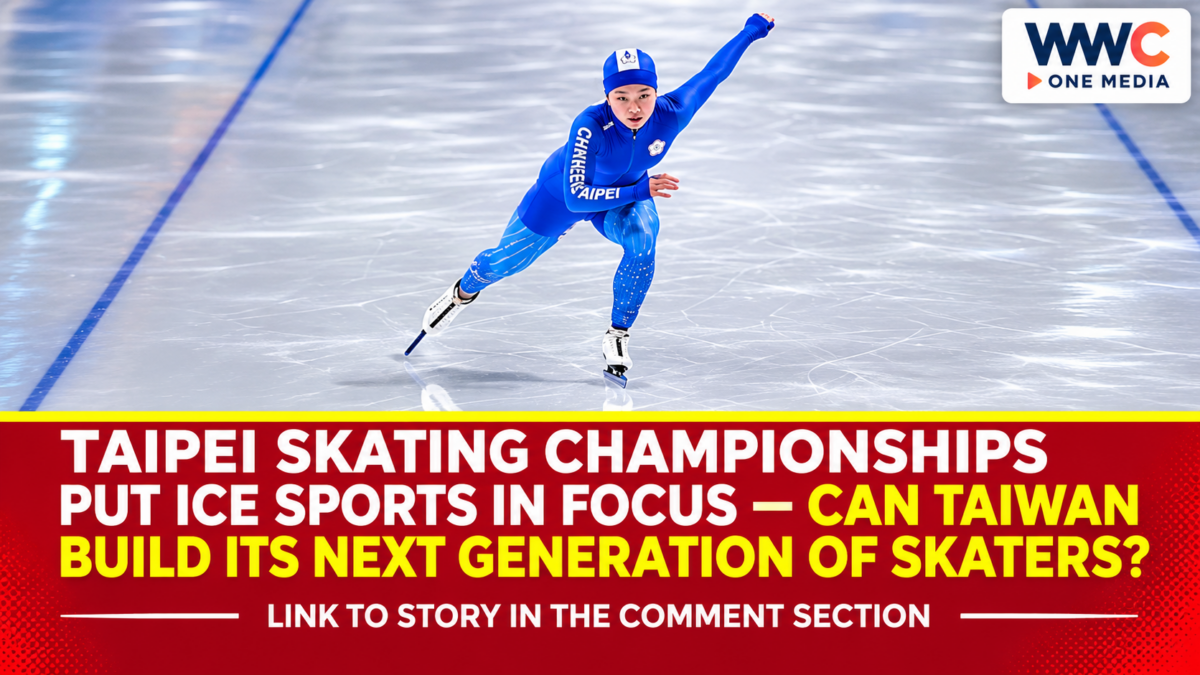
TAIPEI, Taiwan — Taipei Arena’s November sporting calendar allocated Nov. 21 and 22 to the 2026 National Chung Cheng Cup Skating Championships, placing ice sports in focus ahead of another national competition in December.
The Taipei skating championships form part of a wider calendar of ice-based sporting activities at the venue, covering multiple disciplines and opportunities for athlete development.
Beyond competitive results, the sporting programme raises a broader question relevant to Asian countries seeking to develop winter sports: how can specialised facilities help transform recreational interest into sustained athletic participation?
Taipei Skating Championships Highlight Ice Sports Infrastructure
The official Taipei Arena calendar identifies the skating association of the Taipei City Sports Federation as the organiser of the November Chung Cheng Cup.
The facility’s operating schedule also includes competitions in figure skating, short-track speed skating, ice hockey and curling.
From a sports development perspective, providing dedicated competition dates is important because ice-based activities require specialised infrastructure.
Unlike many outdoor sports, ice skating depends on access to properly maintained surfaces, appropriate equipment and suitable training environments.
The availability of these resources can influence how frequently aspiring athletes practise and whether they can progress from recreational participation to organised competition.
Why Competitive Opportunities Matter
The November championships offer a starting point for examining how local competitions can contribute to athlete development.
Regular competitions may help participants establish training goals, assess their progress and become familiar with competitive environments.
For coaches, such events can provide opportunities to evaluate athletes’ preparation and identify areas requiring improvement.
However, participation alone does not guarantee competitive success. Long-term development also depends on coaching quality, training consistency, financial resources and access to facilities.
Can Ice Sports Become More Accessible?
Taipei Arena maintains dedicated information pages covering skating instruction, public rink services and visitor guidelines.
These services illustrate how sporting infrastructure can accommodate recreational activities alongside organised competitions.
For families considering ice skating as an extracurricular activity, access to beginner instruction can be an important consideration.
From a sports management perspective, facilities that accommodate different experience levels may help reduce barriers between casual participation and structured training.
The challenge is ensuring that competition requirements, training schedules and recreational access can coexist without compromising safety or service quality.
Lessons for Other Asian Sporting Communities
For countries such as the Philippines, developing ice sports presents questions about infrastructure, accessibility and affordability.
The costs associated with specialised facilities can influence participation, particularly among families with limited recreational budgets.
Potential development strategies include beginner programmes, partnerships between schools and sporting organisations, and structured opportunities for athletes to progress through different competitive levels.
Such approaches would require careful planning and sustained institutional support.
Taipei’s published sporting calendar provides an example of how a dedicated venue can allocate time to several ice-based disciplines throughout the year.
What Happens Next?
Taipei Arena’s official schedule lists a national figure-skating championship for Dec. 5 and 6, 2026, organised by Taiwan’s national skating association.
Further official announcements and competition results could provide a clearer picture of athlete participation and sporting outcomes.
For now, the calendar demonstrates the continuing role of organised competitions within Taipei’s ice sports programme.
Whether these opportunities translate into wider participation and stronger competitive performance will depend on developments extending well beyond individual sporting events.
Frequently Asked Questions
When were the 2026 Taipei Chung Cheng Cup Skating Championships scheduled?
The official venue calendar listed Nov. 21–22, 2026.
Where were the championships scheduled?
At Taipei Arena’s dedicated ice-skating facility.
When is the next national figure-skating championship listed at Taipei Arena?
The venue calendar lists Dec. 5–6, 2026.
Why are dedicated ice-skating facilities important?
They provide specialised environments for training, recreation and organised competition.