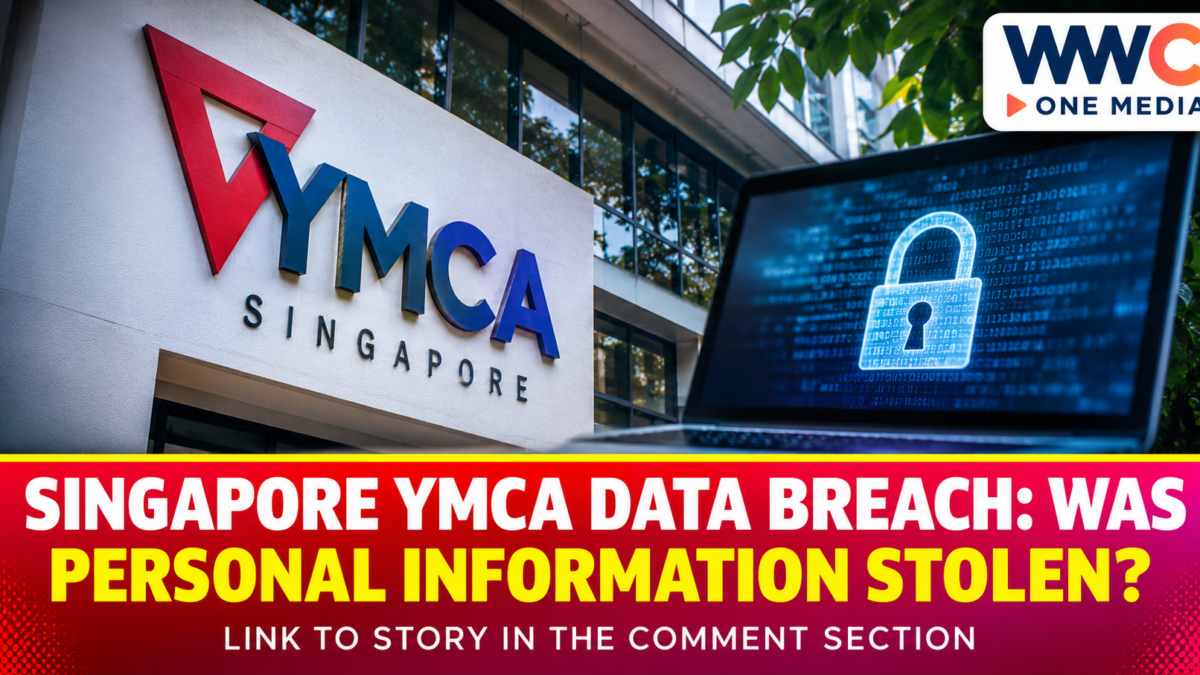
SINGAPORE, Nov. 22, 2026 — YMCA of Singapore confirmed on Nov. 21 that an unauthorised party accessed the online application portal for its Youth For Causes programme. The organisation shut down the affected portal and associated database environment and said a forensic investigation could not determine whether personal information had been accessed, copied or extracted.
The distinction is central to this Singapore YMCA data breach: an intrusion is established, but theft of individual records is not. For students, families and volunteers, the uncertainty still warrants caution because the database contained identifying and contact information.
Singapore YMCA Data Breach: What Is Confirmed?
YMCA’s public notice identifies the affected system as the Youth For Causes registration and application portal and its associated database. The organisation worked with its website vendor and independent cyber forensic investigators to examine the incident.
The investigation confirmed unauthorised access to the portal. It did not produce evidence sufficient either to prove or exclude the possibility that personal information was accessed, copied or extracted. These are separate findings: access to a system does not automatically establish extraction of every record it contains.
YMCA said the affected environment had been shut down. It is contacting people directly to explain what categories of information were involved and what precautions they can take. Its public notice does not identify the intruder, describe a technical entry point or publish a conclusive account of the data’s subsequent use.
Whose Details Were Held by the Youth Portal?
The portal contained participants’ names, their schools and the organisations they supported. The associated database held a broader set of records: participants’ names, birth dates, contact details and schools, along with names and contact information for next-of-kin, teachers and volunteers.
YMCA also identified full or partial National Registration Identity Card (NRIC) numbers where they had been collected. Its notice does not say that every person in the system had an NRIC number stored, or that every listed data field was extracted.
The breadth of these categories matters. A single programme database can connect students with relatives, educators and adult volunteers. Potential risks therefore extend beyond the people who submitted the initial applications, even if the actual scope of any copying remains undetermined.
The published notice does not give a verified record-by-record exposure list. Individuals should rely on direct communication from YMCA instead of assuming that a particular category applies to their own record.
Why a Community Programme Holds Personal Information
YMCA describes Youth For Causes as an initiative launched in 2003 to support social entrepreneurship and community leadership. Young people aged 15 to 25 work in teams and receive opportunities for seed funding, training and volunteer mentorship to support social service agencies.
That operating model explains why the programme may maintain relationships among participants, schools, community organisations and volunteers. Managing an initiative with several types of participants requires coordination, but the resulting records also create obligations to secure personal information.
Analysis: The most important governance question is not whether a charity should run youth programmes online. It is whether the applications and external providers used to manage them have safeguards proportionate to the information collected. The official notice does not establish which security control failed in this case.
What Singapore’s Cyber Warning Adds
On Nov. 13, Singapore’s Cyber Security Agency warned of a marked increase in reported cyber incidents. It said the monthly average since September was three times the average from January through August, and that recent cases did not appear to form one coordinated campaign targeting Singapore.
The agency identified common risk areas including exposed software, insufficient access controls, phishing and weaknesses involving outside service providers. Those observations describe a wider threat environment. They do not establish the cause of the YMCA intrusion or link it to another organisation’s breach.
WWC has previously examined the separate Doctor Anywhere and M1 breaches, where the important issue was what personal information each organisation actually reported. The same distinction between confirmed facts and possible downstream misuse applies here.
Other WWC coverage has addressed the independent MoneySmart cybersecurity incident and a Singapore Airlines booking-data incident. These examples provide broader context; the available official notices do not connect them to the YMCA case.
What Affected People Should Do
YMCA advises people to be wary of unexpected messages, emails or calls claiming to represent the organisation or Youth For Causes. Particular caution is appropriate when a sender requests personal details, asks someone to follow a link or demands a payment.
A sensible response is to contact YMCA independently through the details on its official notice rather than reply to an unsolicited approach. The organisation lists its incident response team at irt@ymca.org.sg and says it will respond to email enquiries within two working days.
It also lists a dedicated WhatsApp contact, +65 9816 7203, operating from Nov. 23 to Dec. 4, 2026, on weekdays from 10 a.m. to 5 p.m. People should confirm the schedule on the official website in case it changes.
These precautions reduce opportunities for impersonation. They are not evidence that a scam has occurred using YMCA information. Nor should a person assume that a missing notification guarantees their information was absent from the system while individual outreach is continuing.
What Happens Next
YMCA says it will publish material updates to its incident notice. Useful next disclosures would clarify whether investigators establish that records were copied, whether additional safeguards have been implemented and what the organisation can tell each potentially affected individual.
Analysis: Restoring confidence requires more than taking a website offline. Clear notifications, appropriate controls for vendor-managed systems and an explanation of what remains unknown would help participants assess their own risks without unnecessary alarm.
Singapore’s broader cyber guidance also calls for timely patching, stronger authentication and regular monitoring. Those are general protective practices, not a finding that YMCA neglected any particular measure.
Frequently Asked Questions
Was personal information stolen in the Singapore YMCA data breach?
YMCA confirmed unauthorised portal access but said investigators could not establish or rule out whether personal data had been accessed, copied or extracted.
What information was stored in the affected system?
Records included participants’ names, schools, birth dates and contact details; information about relatives, teachers and volunteers; and some full or partial NRIC numbers where collected.
What is Youth For Causes?
It is a YMCA community programme that supports young people undertaking projects for social service agencies, including through training, mentorship and seed funding.
How can someone check an unexpected YMCA message?
Use the contact information posted on YMCA’s official incident notice. Do not supply sensitive information or make payments simply because an unsolicited message claims to come from the programme.
Has the cause of the intrusion been publicly established?
YMCA’s Nov. 21 notice does not publicly identify the attacker or a confirmed technical cause. General cyber advisories should not be treated as findings about this particular incident.