SINGAPORE — November 4, 2026
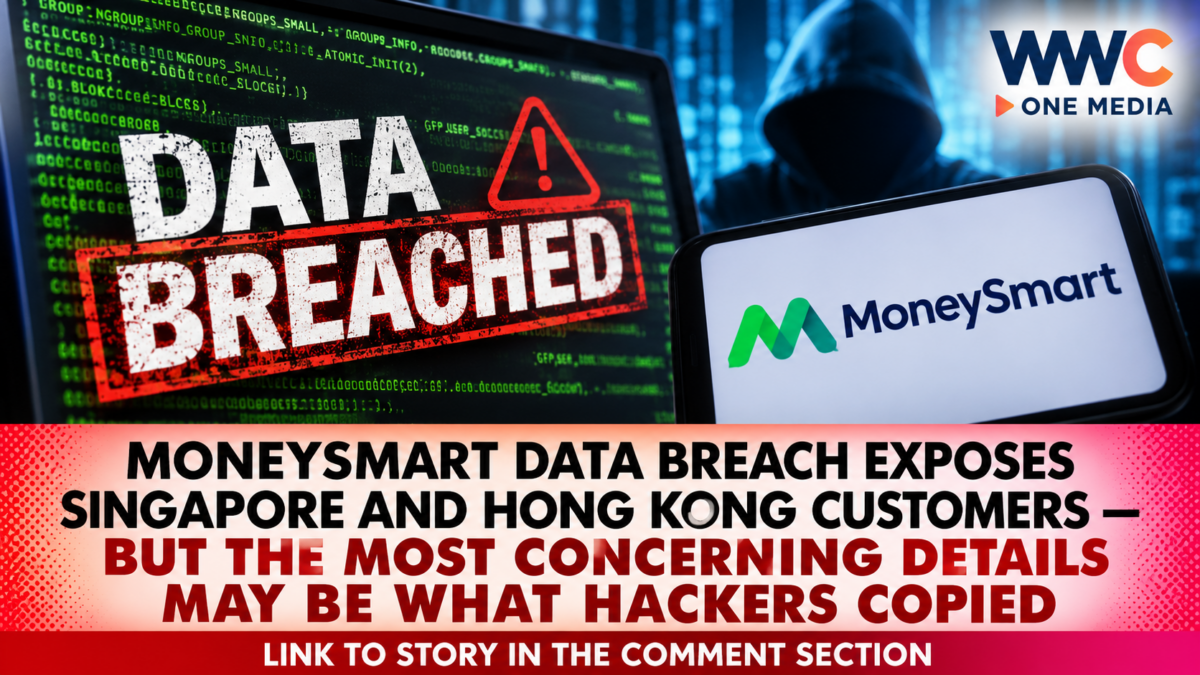
Customers of Singapore-based financial comparison platform MoneySmart are facing fresh data-security concerns after an unauthorised third party accessed the company’s internal IT systems and copied personal information belonging to users in Singapore and Hong Kong.
MoneySmart discovered the incident on October 29 and confirmed on November 3 that customer information had been copied. The company has apologised, engaged independent cybersecurity and digital forensics specialists, and notified regulators in both markets.
But one important question remains unanswered: How many customers were affected?
MoneySmart has not disclosed the total number of impacted users. The information potentially accessed could include names, dates of birth, identification numbers, email addresses, mobile numbers, income ranges, financial-product details and vehicle or insurance information.
The incident is particularly concerning because MoneySmart handles information submitted by consumers when they compare or apply for credit cards, personal loans, travel insurance and other financial products.
Chief executive Vinod Nair has apologised to affected customers, saying the company takes its responsibility to protect their financial information seriously.
October 29 Cybersecurity Incident: What Happened?
MoneySmart said it discovered on October 29 that an unauthorised third party had gained access to some of its internal information technology systems.
The affected systems contained personal information provided by customers when using the platform to compare or apply for financial products.
The company’s investigation subsequently confirmed that some customer data had been copied.
MoneySmart said it stopped the unauthorised access after discovering the incident and took steps to secure its systems.
It also engaged independent cybersecurity and digital forensics experts to investigate what happened and assess the information involved.
The company has not publicly explained how the unauthorised party entered its systems, how long the access lasted or who was responsible.
MoneySmart said its services continue operating normally while the investigation and security review proceed.
What Personal Information May Have Been Exposed?
The potential exposure goes beyond ordinary contact information.
Information identified in reporting about the affected systems includes several categories of personal and financial details.
These include:
- Personal particulars: Names, dates of birth, nationality and personal identification numbers.
- Contact information: Email addresses, mobile numbers and shipping addresses.
- Financial profiles: Income ranges, life stages and financial products customers currently own.
- Vehicle and insurance information: Vehicle details, car insurance enquiries and policy information.
Some customers who submitted reward claims may also have had shipping addresses and application or policy reference numbers copied.
However, the exact information involved can differ between customers. MoneySmart is contacting affected users directly to explain which details relating to their individual records may have been accessed.
It is also important to distinguish between information confirmed in individual customer notifications and the wider categories reported as potentially accessible. The full scope has not yet been publicly established.
MoneySmart has not announced that banking passwords, one-time passwords or payment-card numbers were stolen in this incident. Customers should nevertheless follow the specific information in their official notification rather than assume that every affected record contained the same details.
Affected Customers Report Suspicious Messages and Account Concerns
The incident has already prompted concern among customers who received notifications from MoneySmart.
Two customers who spoke to AsiaOne said their names, email addresses and mobile numbers were among the information compromised.
One customer said he was worried that personal details could be used to make targeted scams more convincing. He said he was monitoring financial transactions and checking unexpected communications more carefully.
Another customer reported receiving more phishing messages in the days leading up to the public disclosure and noticing an attempted login to a Trip.com account.
She had previously purchased travel insurance through MoneySmart.
However, there is no established evidence that the reported messages or attempted account access were caused by this particular breach. The timing alone does not prove a connection.
The accounts nevertheless illustrate why customers are concerned about the possible misuse of personal information following a cybersecurity incident.
Why the Exposure Could Create a Greater Scam Risk
A person’s name, mobile number and email address may appear to be ordinary information. But when combined with details about income, insurance policies, financial products or vehicle ownership, those records could make fraudulent communications appear more convincing.
For example, someone receiving an unexpected message that refers to an actual insurance product or financial application may be more likely to believe that the sender represents a legitimate company.
This is why MoneySmart has warned customers to be cautious about unexpected calls, emails and messages.
The company has also specifically warned against sharing passwords, one-time passwords or banking details with anyone claiming to represent it.
The incident highlights a wider concern for organisations that collect detailed customer profiles: information gathered to help consumers compare financial products can also become valuable to criminals if security controls fail.
MoneySmart CEO Vinod Nair Apologises to Customers
MoneySmart chief executive Vinod Nair issued an apology following the incident.
He said customers trust the company with information about their financial lives and that the organisation takes this responsibility seriously.
Nair said the company acted to stop the unauthorised access and secure its systems after discovering the incident.
He added that MoneySmart is reviewing the circumstances that led to the breach and making changes intended to prevent a similar incident from happening again.
The company is also contacting affected customers directly to explain the information involved and recommend protective measures.
While its services remain operational, the investigation is ongoing and the company has not provided a confirmed figure for the number of affected customers.
Singapore and Hong Kong Regulators Have Been Notified
MoneySmart said it notified the relevant authorities in both markets.
In Singapore, these include:
- The Personal Data Protection Commission (PDPC)
- The Monetary Authority of Singapore (MAS)
In Hong Kong, the company notified:
- The Office of the Privacy Commissioner for Personal Data
- The Insurance Authority
The Monetary Authority of Singapore said it was following up closely with MoneySmart.
MAS also directed the company to ensure that the breach had been effectively contained and its IT environment secured. It called for a comprehensive root-cause analysis and appropriate remedial measures.
These steps mean the response involves more than simply restoring normal operations. The company must also establish how the unauthorised access occurred, assess the extent of the information copied and address weaknesses identified through the investigation.
The involvement of regulators in both jurisdictions reflects the cross-border nature of the incident.
A Wider Warning for Singapore’s Data Protection Landscape
The MoneySmart incident comes amid growing attention on how organisations protect personal information held by external service providers and digital platforms.
In October, a separate cybersecurity incident involving healthcare administrator Alliance Medinet affected approximately 110,000 members associated with insurance providers including HSBC Life, Singlife and Income Insurance.
That incident raised questions about the risks of entrusting sensitive customer information to third-party administrators, even when the systems of the insurers themselves were not compromised.
Another incident involving Singapore’s National Cancer Centre exposed the email addresses of 467 recipients through an administrative mailing error.
Although that case was not a cyberattack, it demonstrated how even relatively basic information can become sensitive when linked to a person’s relationship with a healthcare institution.
The MoneySmart breach is different because an unauthorised party accessed internal systems and copied customer information. Nevertheless, all three incidents underline the importance of strong data-protection practices and clear accountability when personal information is collected and stored.
Financial Institutions and Technology Providers Face Growing Cybersecurity Pressure
Financial comparison platforms occupy an important position between consumers and financial institutions.
They collect information that helps users evaluate products, compare offers and submit applications. This can make their databases particularly sensitive because they may contain several categories of personal information in one place.
Cybersecurity risks are not limited to companies that directly hold bank deposits or process financial transactions.
A breach involving a comparison platform can still expose details about a person’s financial circumstances, insurance arrangements and identity.
A separate report by WWC ONE MEDIA examined cyberattacks targeting law firms and the risks created when organisations rely on external technology providers to manage confidential information.
The same broader concern applies to financial technology platforms: protecting customer information requires continuous monitoring, access controls, effective incident response and careful management of the systems that process sensitive records.
What MoneySmart Customers Should Watch Out For
Customers who receive an official notification should read it carefully to understand which information relating to their own records may have been affected.
They should also remain alert to unexpected communications claiming to offer refunds, rewards, insurance assistance or account verification.
Practical precautions include:
- Verify unexpected requests through MoneySmart’s official website or customer-service channels.
- Do not share passwords or one-time passwords with callers or people contacting you unexpectedly.
- Avoid clicking suspicious links or opening unexpected attachments.
- Be cautious of delivery or reward messages requesting additional personal information or payment.
- Monitor bank and card statements and report unfamiliar transactions to the relevant financial institution.
- Use strong, unique passwords for important accounts and enable additional account-security protections where available.
A message that includes a person’s actual name, phone number or financial-product details should not automatically be trusted. Such information may be used to make an impersonation attempt appear legitimate.
The Questions MoneySmart Still Needs to Answer
Although the company has confirmed that customer information was copied, several important details remain unknown.
MoneySmart has not publicly disclosed the number of affected customers in Singapore and Hong Kong.
It has also not explained how the unauthorised third party gained access, how long the intrusion continued or whether the copied information has appeared in other unauthorised locations.
The full scope of the data involved is also still being assessed, with individual customers being contacted about their own records.
These unanswered questions matter because the consequences of a data breach depend not only on the number of people affected but also on the sensitivity of the information exposed and whether it is subsequently misused.
A Data Breach That Could Have Consequences Beyond the Initial Incident
MoneySmart has confirmed that unauthorised access occurred, customer information was copied and regulators in Singapore and Hong Kong were notified.
The company says the access has been stopped, security measures have been strengthened and independent specialists are investigating.
But the absence of a confirmed victim count leaves an important part of the incident unresolved.
For affected customers, the immediate concern is whether their personal and financial information could be used in targeted scams or identity-related fraud.
For MoneySmart, the challenge is to establish exactly what happened, provide clear information to affected users and demonstrate that the weaknesses responsible for the incident have been addressed.
The most important developments to watch now are the findings of the independent investigation, the regulators’ follow-up and the company’s disclosure of how many customers were affected.
Until those details emerge, the breach remains a significant reminder that information shared with a financial comparison platform deserves the same level of protection expected from other organisations handling sensitive customer data.