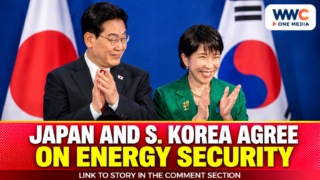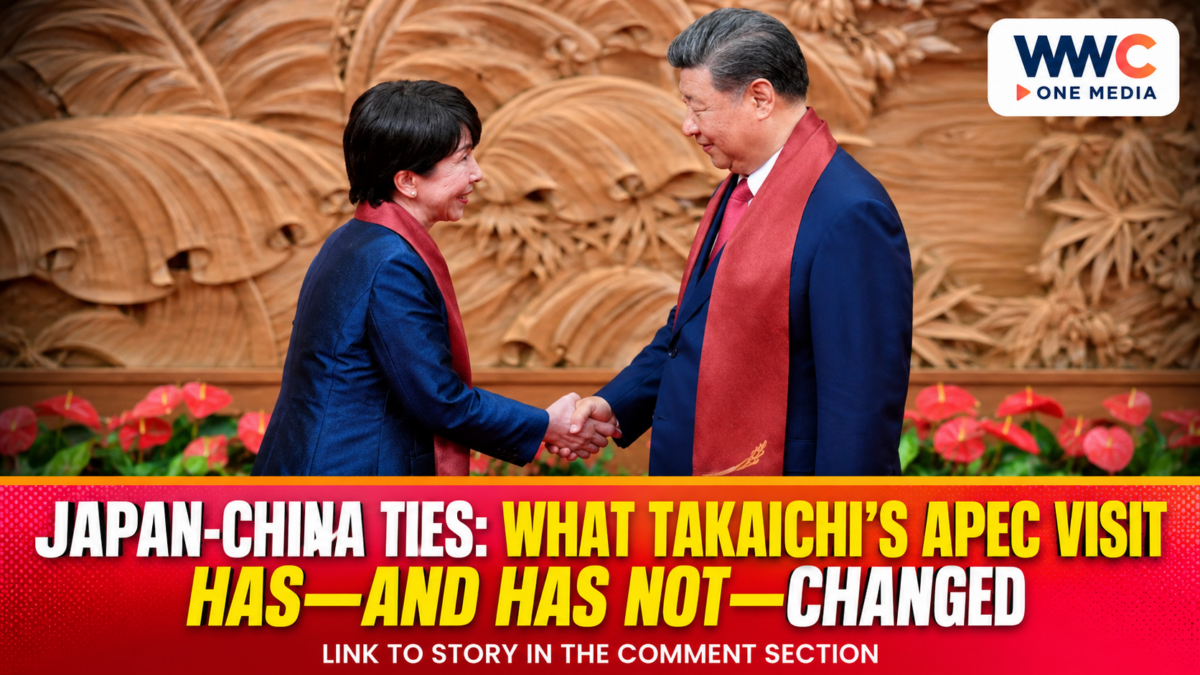
Takaichi’s diplomatic programme in Manila included a meeting with China and South Korea through the 29th ASEAN Plus Three Summit on Nov. 17. The Japanese government’s account records her support for practical cooperation among the three Northeast Asian economies and wider ASEAN partners, including work on economic and financial cooperation, supply-chain resilience, food security and regional stability.
The summit adopted two leaders’ statements: one on maritime trade and logistics connectivity, and another on strengthening energy and food-security resilience amid external shocks and supply-chain disruptions.
These outcomes provide evidence of continued multilateral engagement involving Japan and China. They should not, however, be presented as proof that the two countries have resolved their bilateral disagreements or reached a new understanding on sensitive security issues.
Takaichi’s published Nov. 16 statement also set out Japan’s priorities for the Shenzhen APEC meeting: trade and investment, regional economic integration, economic and energy resilience, and the digital economy and artificial intelligence. Japan is scheduled to chair APEC in 2031, giving Tokyo a longer-term interest in shaping regional economic cooperation.
The broader diplomatic picture remains relevant to the Philippines. Japan’s security and economic partnerships with Manila have continued to develop, including through the Philippines-Japan defence logistics agreement. Its regional economic agenda also connects with the ASEAN cooperation and resilience initiatives, while the wider political climate has implications for Japanese firms operating in China, as explored in WWC’s earlier report on Japanese companies reassessing their China exposure.
The distinction for readers is important: participation in the same regional forum and adoption of multilateral cooperation statements demonstrate continued diplomatic engagement. They do not, on their own, establish a bilateral reset between Tokyo and Beijing.