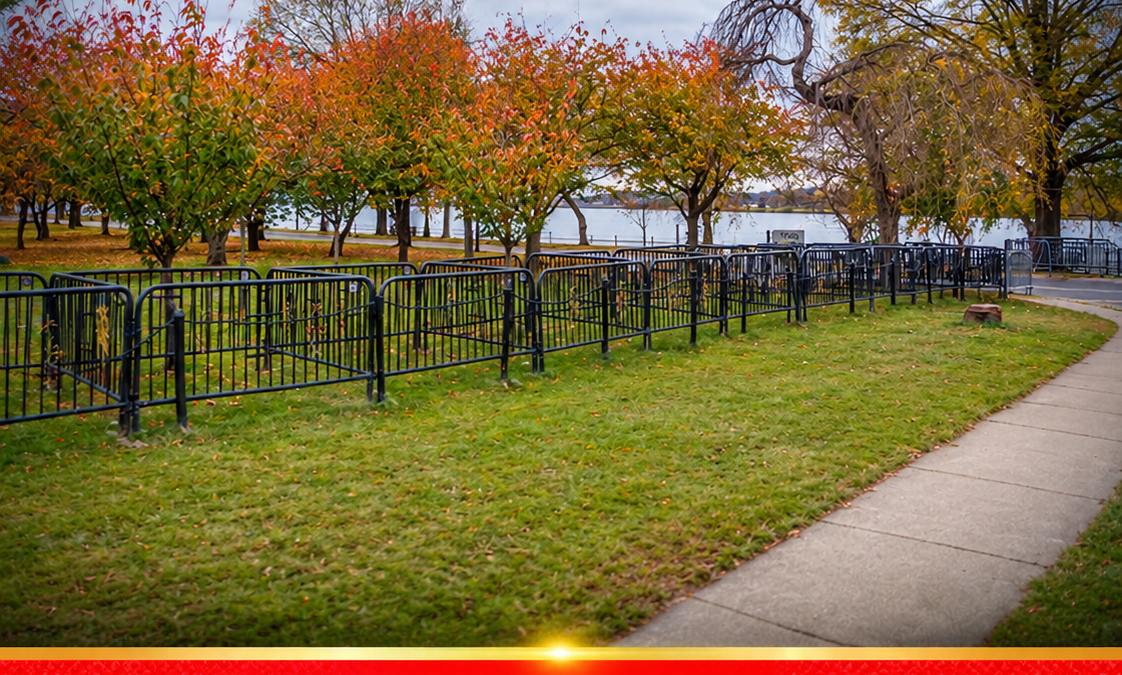
The National Park Service scheduled public-access restrictions across a large section of East Potomac Park in Washington, D.C., beginning Nov. 15, 2026, including the historic East Potomac Golf Course. The closure plan has become part of a federal court dispute over the Trump administration’s proposed redevelopment of the public site.
The agency’s written closure determination says the restrictions will begin at 9 p.m. on Nov. 15 and remain in effect until modified or rescinded by the superintendent. The affected area extends south of Buckeye Drive and includes the golf course, miniature golf course, trails, waterfront areas and Hains Point.
The dispute is significant because it involves more than a golf-course renovation. It raises questions about how federal agencies manage public land, how environmental review applies to connected projects and what legal limits courts may impose while a government plan is being challenged.
An important publication note: The latest reported temporary restraining order is not included in the court records independently retrieved for this draft. The article therefore describes the closure determination and previously issued court orders, not an unverified claim that the new order has already changed the closure.
What the East Potomac closure notice actually covers
The National Park Service’s Record of Determination identifies the land affected by the planned restrictions as federal parkland south of Buckeye Drive, Southwest, within East Potomac Park.
The list goes well beyond the golf course. It includes Ohio Drive south of Buckeye Drive, trails and multi-use paths, the Potomac River seawall and promenade, fishing areas, picnic spaces, playgrounds, public bathrooms and the East Potomac Dock.
The agency also lists the East Potomac Park Golf Course and Miniature Golf Course, including their parking areas, among the facilities covered by the closure.
The determination cites federal regulations governing temporary closures of national park areas. It says the restrictions will remain until the superintendent changes or rescinds the decision. The document also identifies exceptions for authorised personnel, emergency responders, contractors and people carrying out approved duties.
For residents and visitors, the practical effect is broad: the planned restrictions would affect recreation and access throughout the southern part of the park, not just golfers using the main course.
Why the National Park Service says the area must close
The agency’s explanation centres on the transition in golf-course operations and its stated ability to manage the wider park area safely.
The closure record says the Department of the Interior terminated National Links Trust’s lease for the three National Park Service-administered golf courses in Washington on Dec. 30, 2025. The operator continued temporarily on a holdover basis.
On Oct. 28, 2026, the National Park Service entered into a new lease with National Links Trust covering Rock Creek Golf Course and Langston Golf Course. Under the arrangement described in the closure record, National Links Trust would stop operating East Potomac Golf Course on or before Nov. 15.
The National Park Service says it would not have the operational capacity to manage East Potomac as a golf course or safely accommodate unrestricted public use after the operator stopped working there. It cites staffing, security, oversight, visitor conflicts and potential damage to natural and cultural resources.
The agency also points to a May 2026 condition assessment. It says that assessment recorded 110 deficiencies at the golf course, with 69 rated critical or urgent. None of the 15 golf-course assets surveyed received a good-condition rating.
The fire and life-safety inspection identified 84 findings, including 11 rated urgent and 52 rated critical. The agency says 67 of those findings were in the clubhouse.
Those are the government’s stated reasons for the closure. They do not, by themselves, resolve the separate legal questions about the redevelopment plan or the environmental review required for it.
The court has already placed limits on work at the golf course
The dispute is being heard in the U.S. District Court for the District of Columbia in DC Preservation League et al. v. Department of the Interior et al., case number 1:26-cv-00477.
In an Oct. 26, 2026, preliminary-injunction opinion, Judge Ana C. Reyes granted the preservation group and two individual plaintiffs’ request for court protection while the case proceeds.
The court’s order barred the government from removing or damaging additional trees at East Potomac Golf Course. It also required 10 business days’ written advance notice before an irreversible modification to any forms or features of East Potomac Park while the litigation remained active.
The opinion discussed the dispute over the proposed Washington National Plan and the government’s environmental review. The court concluded that the plaintiffs had shown a likelihood of success on aspects of their challenge, including their argument that the government had improperly separated connected elements of the plan for environmental review.
That ruling was preliminary. It did not constitute a final judgment resolving every claim in the lawsuit.
On Nov. 9, the court denied the government’s request to pause the preliminary injunction while an appeal proceeded. That meant the existing restrictions were not put on hold by the stay request.
Why this case matters beyond a golf course
East Potomac is federal parkland used for several forms of public recreation. The National Park Service’s own closure notice identifies walking and cycling routes, waterfront access, fishing locations, picnic spaces and playgrounds alongside the golf facilities.
That range of uses makes the dispute a public-access issue as well as a question about golf-course design. A decision affecting the area can influence people who do not play golf but use the park for exercise, outdoor activities or access to the waterfront.
The legal disagreement also illustrates the importance of environmental review before a government project moves from planning to physical work. When connected activities are assessed separately, a court may be asked to determine whether the overall effects have been properly considered.
WWC ONE MEDIA has examined other disputes involving federal land and government control, including the Trump administration’s public-land policy and the debate over federal property. The East Potomac case is different: it concerns a particular park and a specific redevelopment dispute, rather than a nationwide land-disposal strategy.
The controversy also sits within a wider discussion about changes to prominent Washington sites. WWC has covered the legal challenge involving a proposed Washington arch near Arlington National Cemetery and the renovation of the Lincoln Memorial Reflecting Pool. Each project has its own legal and administrative record, and the outcome of one does not determine the outcome of another.
What happens next
The immediate issue is whether the National Park Service’s scheduled restrictions will take effect as described or be altered by further court action.
The existing preliminary injunction remains an important part of the case record. The government’s unsuccessful request for a stay did not remove the restrictions on additional tree removal or the notice requirement.
A new temporary restraining order has been reported, but the signed order was not available in the primary court records retrieved for this article. Its precise terms, duration and geographic scope should be checked against the filed document before publication or an update.
The longer-running lawsuit will continue to address the legality of the redevelopment process and the government’s environmental obligations. A preliminary injunction or temporary restraining order preserves conditions while a case proceeds; neither should be confused with a final ruling on the merits.
Frequently asked questions
When was East Potomac Park scheduled to close?
The National Park Service’s closure determination scheduled restrictions to begin at 9 p.m. on Nov. 15, 2026.
Does the planned closure affect only the golf course?
No. The notice covers federal parkland south of Buckeye Drive, including trails, waterfront areas, fishing locations, Hains Point, playgrounds, bathrooms and golf facilities.
Why does the National Park Service say the closure is necessary?
The agency says the golf-course operator will stop running East Potomac by Nov. 15 and that the agency lacks the operational capacity to manage the area safely for unrestricted public use.
What did the federal court previously order?
The Oct. 26 preliminary injunction barred additional tree removal or damage at the golf course and required 10 business days’ written notice before certain irreversible modifications to East Potomac Park.
Has the lawsuit been finally decided?
No final judgment resolving the entire dispute is established by the preliminary-injunction and stay decisions discussed here. The litigation remains separate from the agency’s closure determination.