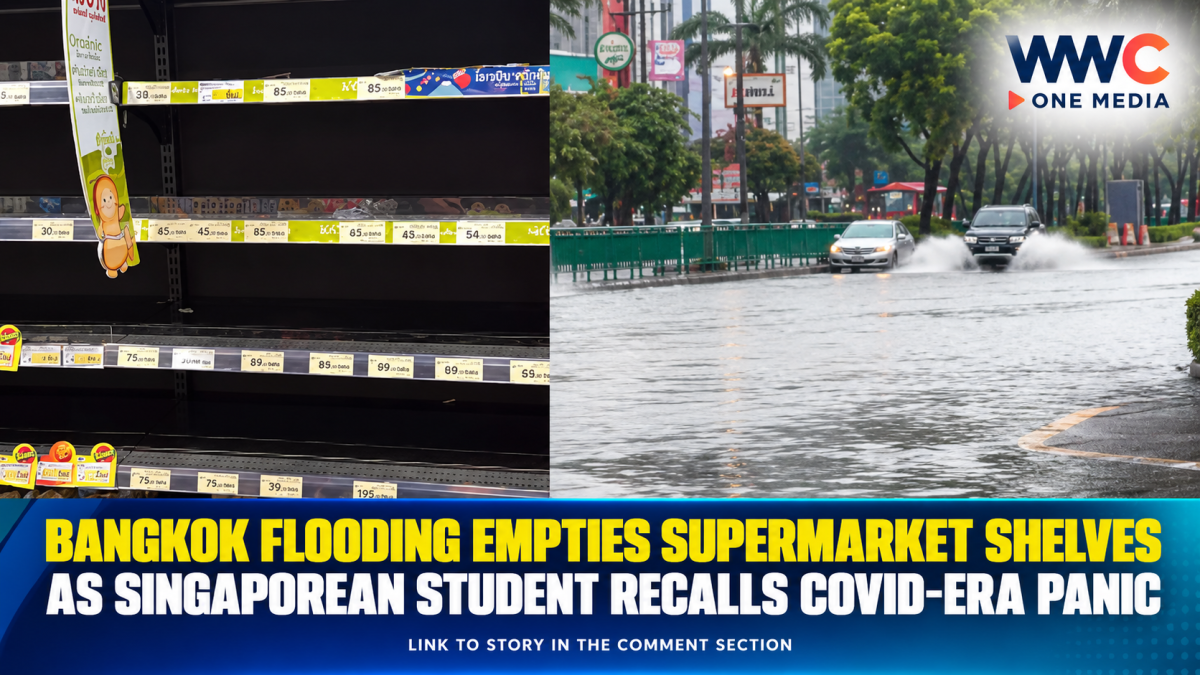
A Singaporean student living in Bangkok has described finding supermarket shelves stripped of basic groceries as torrential rain and widespread flooding disrupted daily life across Thailand’s capital.
He Tingting, a 35-year-old Singaporean studying at Chulalongkorn University, said the heavy rain began on Sept. 24. When she visited a nearby mall on Sept. 26, she encountered long checkout queues and empty shelves for essentials including bread and eggs, while staff worked to replenish supplies.
He said the situation reminded her of the early days of the Covid-19 pandemic, when shoppers rushed to buy necessities amid uncertainty. However, she said her own daily routine had not been significantly disrupted and that she continued receiving updates from both Bangkok authorities and her university about road closures and developments.
Other Bangkok residents reported similar shortages. Some convenience stores ran out of items such as bread, cup noodles and other ready-to-eat food as residents stocked up because flooding made travel increasingly difficult. Retailers were ordering additional supplies as demand increased.
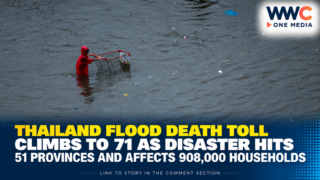
The supermarket rush came as Bangkok faced one of its most disruptive rainfall events in recent years. More than 330 millimetres of rain fell in some parts of the city between Thursday and Sunday, while the Bangkok Metropolitan Administration said about 52,000 households had been affected and nearly 4,900 people had been evacuated to shelters.
Bangkok Governor Chadchart Sittipunt declared all 50 districts disaster-affected areas after widespread flooding inundated roads and homes. The government also urged residents near canals to move possessions to higher ground and avoid unnecessary travel.
The flooding created difficulties for residents trying to move around the city. Some roads became impassable, while public transport and private vehicles faced delays as water accumulated across affected neighbourhoods.
The disruption also raised concerns about the supply of food and other necessities. Thailand’s Commerce Ministry ordered agencies to monitor stocks and prices while coordinating with wholesalers and retailers to speed up deliveries to affected areas. Officials were also instructed to watch for price gouging and hoarding.
For some residents, the empty shelves were less a sign of an actual nationwide shortage than a reflection of sudden demand and difficulties moving goods through flood-affected areas. Stores continued arranging replenishment as deliveries became possible.
The situation also highlighted how quickly severe flooding can affect everyday life beyond homes and roads. As residents dealt with waterlogged neighbourhoods, disrupted transport and temporary evacuations, ordinary trips to buy food became another challenge.
Although floodwaters began receding in parts of Bangkok by Sept. 27, some communities remained badly affected, with residents still trapped in homes and authorities continuing drainage and relief operations.
For the Singaporean student and thousands of others living in Bangkok, the episode has become a reminder of how rapidly extreme weather can disrupt a major city — from flooded streets and homes to supermarket shelves emptied by a sudden rush for essentials.