
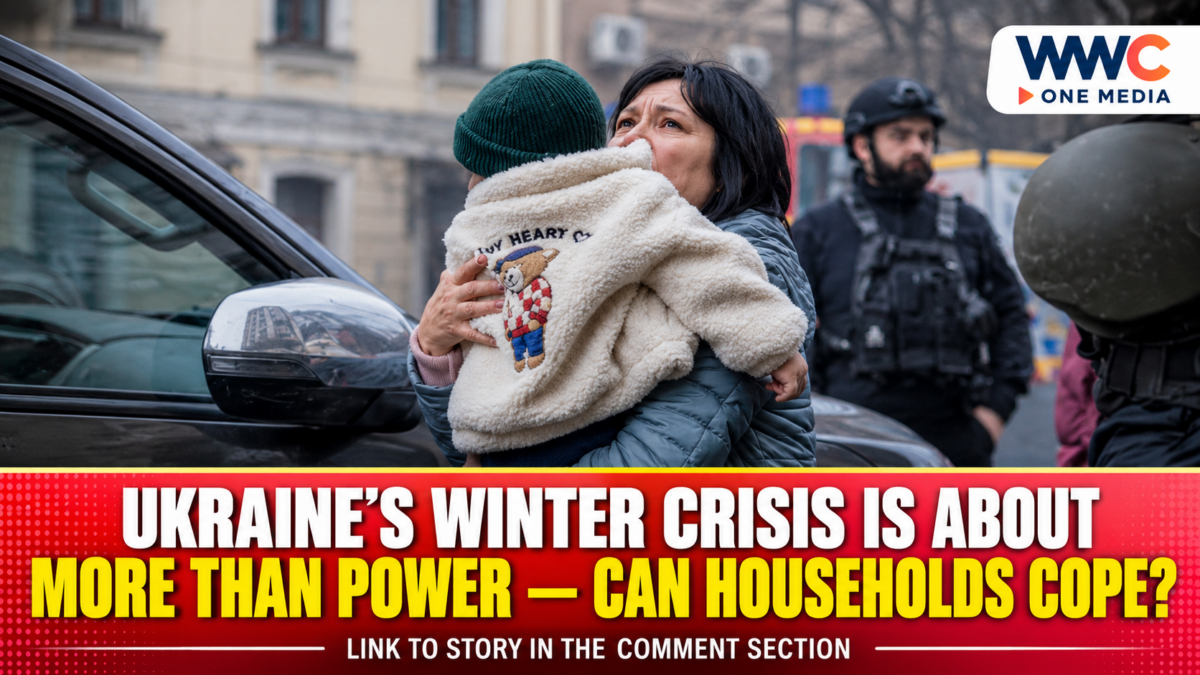
KYIV, Ukraine — Ukraine is entering another winter with its electricity, heating and water systems under pressure after repeated attacks damaged critical energy infrastructure during the previous cold season. United Nations assessments warn that the consequences extend beyond power cuts, with households facing interruptions to basic services and unequal access to the resources needed to cope.
The challenge is no longer measured only by how much electricity the country can generate. It also depends on whether homes can stay warm, water can reach apartment buildings, hospitals can continue operating and vulnerable residents can obtain help when services fail.
Ukraine’s winter crisis exposed weaknesses across essential services
A United Nations Human Rights Office report covering December 1, 2025, to May 31, 2026, documented repeated attacks on energy facilities across Ukraine during the 2025–2026 winter.
The report said damage to electricity generation, transmission and distribution infrastructure contributed to emergency outages that often affected millions of civilians. As temperatures fell and demand increased, the country faced a substantial electricity deficit, forcing authorities to introduce scheduled rolling cuts. In some periods, civilians had electricity for only a few hours a day.
The disruption also reached beyond the power grid. Attacks on centralized heating infrastructure affected hundreds of thousands of people, with many left without heating and hot water for weeks. The report described temperatures falling below minus 20 degrees Celsius during the coldest winter Ukraine had experienced since 2010.
The consequences spread into other services. Electricity interruptions affected water supplies in multi-storey buildings, disrupted healthcare and contributed to school closures. Some residents left their homes as indoor conditions deteriorated.
These findings show why restoring electricity alone cannot be treated as a complete measure of recovery. A functioning city also needs water pumps, heating networks, hospitals and public facilities that can continue operating when the grid is unstable.
The effects are not shared equally among households
The ability to manage an outage depends partly on what a household can afford. A family with a generator, battery system or money for alternative accommodation has options that may not be available to a household already struggling to pay for food and other essentials.
A UN Women assessment released in September 2026 identified significant differences between women and men in their reported ability to cope with energy disruptions.
In a nationally representative telephone survey of 1,200 adults conducted in February 2026, 73.8 percent of women said they had no backup energy source, compared with 51.5 percent of men. The assessment also found that 56.3 percent of women reported moderate to severe financial constraints, against 35.4 percent of men.
Care responsibilities added another layer of pressure. Women were more likely than men to identify themselves as the primary caregiver for children, at 44.3 percent compared with 26.4 percent. When electricity or heating becomes unreliable, routine responsibilities such as preparing food, maintaining hygiene and supporting children’s schooling can become harder to manage.
The assessment also recorded differences in reported safety and health impacts. Some 41.9 percent of women said power or heating disruptions made them feel less safe, compared with 24.3 percent of men. Meanwhile, 38.5 percent of women reported negative effects on their physical health, compared with 22.8 percent of men.
These figures describe survey responses collected in February. They should not be mistaken for a live measurement of every household’s circumstances in November. They do, however, identify vulnerabilities that winter assistance programmes need to consider.
Winter assistance has a defined target — and a funding requirement
Humanitarian organisations launched Ukraine’s 2026–2027 Winter Response Plan in July, seeking US$358.4 million to support 2.1 million people.
The programme covers October 2026 through March 2027. Its planned assistance includes heating support, shelter repairs, healthcare, protection, food and cash assistance. It is intended to complement government efforts, with particular attention to people living near front-line areas, displaced households and people affected by damage to civilian infrastructure.
The funding figure is an appeal, not proof that the full amount has been received or distributed. Likewise, the 2.1 million figure is the plan’s intended reach, not a count of everyone who may experience winter-related hardship.
The distinction matters because a response plan can identify needs without guaranteeing that every household will receive assistance. Its practical value depends on funding, delivery capacity, accurate targeting and whether support arrives before conditions become more difficult.
What the UN findings say about the infrastructure problem
The human rights assessment also recorded harm to essential services beyond electricity and heating. Water supply in multi-storey buildings was interrupted, healthcare facilities faced disruption and schools were affected.
The report said Ukrainian armed forces also attacked electricity and heating infrastructure in Russia’s Belgorod region, where regional outages were reported. Including that finding is important to a complete account of the document, even though its main focus is the impact of attacks on Ukraine.
On the legal question, the Human Rights Office said the attacks on energy infrastructure appeared to have violated fundamental principles of international humanitarian law. That is the assessment stated in the report; it should not be presented as a final court judgment.
WWC’s earlier reporting on the November 20 Kyiv attack and the official record of damage to urban infrastructure provides additional context on why disruptions to transport and utility systems matter to civilian life.
The wider consequences of attacks on communities are also reflected in WWC’s coverage of damage to civilian businesses and homes in Ukraine’s Vinnytsia region. Separately, the deadly apartment strike in Dymer illustrates the broader civilian protection challenges facing the country.
Why household resilience must be part of winter planning
National infrastructure repairs are essential, but they do not automatically give every household the means to withstand an extended outage.
The UN Women assessment recommends prioritising caregivers and economically vulnerable women-headed households in winter assistance. It also calls for support that helps households obtain backup power, including batteries, power stations and generators, as well as safe and accessible warming centres.
Those recommendations point to a practical distinction in winter planning: restoring a damaged system and helping people survive while repairs are under way are related, but separate tasks.
A household may remain vulnerable even when electricity service has partly returned. Families may lack the money to replace damaged equipment, pay for alternative heating or travel to a functioning service centre. Older people, persons with disabilities and caregivers can face additional barriers when public facilities are difficult to reach.
For that reason, the quality of the response should be judged not only by the amount of infrastructure repaired, but also by whether assistance reaches people with the fewest alternatives.
What happens next
Ukraine’s 2026–2027 winter plan sets out the humanitarian community’s intended assistance through March 2027. The next test is implementation: whether funding is secured, heating and shelter support reaches priority households, and warming centres and essential services remain accessible during prolonged disruptions.
The UN findings provide a record of the previous winter’s impact and identify groups that may face greater difficulty coping with another period of outages. They do not establish that every predicted disruption will occur, nor do they guarantee a particular level of service this winter.
For residents, the immediate concern is continuity: reliable access to heat, water, healthcare and safe public spaces. For authorities and humanitarian partners, the measure of success will be whether those essentials remain available—or whether support reaches people quickly when they do not.
Frequently asked questions
How many people will Ukraine’s 2026–2027 winter response plan assist?
The plan aims to support 2.1 million people between October 2026 and March 2027.
How much funding does the winter plan seek?
Humanitarian organisations appealed for US$358.4 million to support the planned winter response.
What happened to Ukraine’s energy services during the previous winter?
The UN Human Rights Office documented electricity outages, interruptions to centralized heating and hot water, water-supply problems, and disruption to healthcare and schools.
Why does the energy crisis affect women differently?
A UN Women assessment found that surveyed women were less likely than men to report having backup energy sources and more likely to report financial constraints, caregiving responsibilities and safety concerns linked to energy disruptions.
Does the UN report say the attacks violated international law?
The Human Rights Office said the attacks appeared to have violated fundamental principles of international humanitarian law. This is the report’s assessment, not a final court ruling.










