Malaysia has ordered schools in several states and federal territories to close as worsening haze pushes air pollution to unhealthy levels, raising fresh concerns over the health and safety of students, teachers and vulnerable residents.
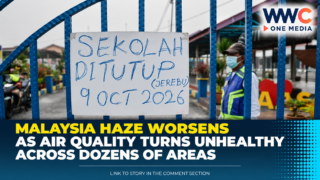
The closures took effect on Friday, October 9, 2026, following a deterioration in air quality linked to forest fires in neighbouring Indonesia. Authorities have stepped up monitoring and precautionary measures as the haze spreads across parts of the country.
According to Malaysia’s Education Ministry, schools in areas where the Air Pollutant Index (API) exceeds 180 must close immediately from October 9. Schools in areas recording API readings above 150 for three consecutive days must also close from Monday, October 12, under the ministry’s directive.
The affected areas include Johor, Melaka, Negeri Sembilan and Selangor, as well as Kuala Lumpur and Putrajaya. Schools in Rompin district in Pahang are also affected.
The closures are not nationwide. Schools in other states and territories are to continue operating unless further instructions are issued.
Home-Based Learning to Replace Classroom Lessons
To minimise disruption to students’ education, affected schools have been instructed to implement home-based teaching and learning, known locally as Pengajaran dan Pembelajaran di Rumah (PdPR).
Teachers and support staff may also work from home during the closures, according to the ministry’s announcement.
Education authorities have directed state education departments and district education offices to monitor air quality closely and respond promptly when pollution levels reach the prescribed thresholds.
The ministry has emphasised that protecting students and school personnel remains its priority, particularly as prolonged exposure to polluted air can pose health risks.
Haze Crisis Linked to Fires in Indonesia
The worsening conditions have renewed concerns about transboundary haze, a recurring regional problem associated with forest and land fires in Southeast Asia.
Malaysia’s Department of Environment reported dozens of locations with unhealthy API readings as the haze intensified. Monitoring cited by authorities also detected numerous fire hotspots in Indonesia’s Sumatra and Kalimantan regions.
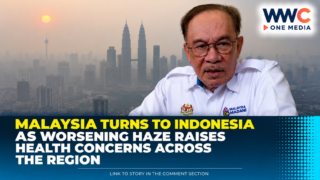
Malaysia Prime Minister Anwar Ibrahim said he had personally contacted Indonesian President Prabowo Subianto about the alarming haze situation. Indonesia pledged to take necessary action, while Malaysian authorities increased cloud-seeding efforts to help mitigate the effects of the dry, smoky conditions.
However, the effectiveness of such measures can depend on prevailing weather conditions, including rainfall and wind patterns.
What the Air Pollution Readings Mean for Families
Malaysia’s API measures air pollution levels and helps authorities determine when protective measures are necessary.
Readings between 101 and 200 are classified as unhealthy, while readings between 201 and 300 are considered very unhealthy. Higher readings indicate increasingly serious pollution conditions.
Children, older people and individuals with asthma or other respiratory and heart conditions may be particularly vulnerable to haze exposure.
Health precautions include reducing strenuous outdoor activities, keeping windows closed when outdoor air is heavily polluted, and following official health advisories. People who develop breathing difficulties or other serious symptoms should seek medical attention.
Authorities Face Pressure to Protect Students as Haze Persists
The latest closures follow earlier precautionary measures in affected areas, including the suspension of outdoor activities when API readings rise above 100.
The situation has also prompted renewed calls for schools to act quickly when air quality deteriorates, rather than waiting for conditions to become more severe.
Malaysia’s Education Ministry has acknowledged that sudden closures can disrupt parents’ work schedules and childcare arrangements. Officials have said they will continue monitoring conditions and urged families to follow announcements from their schools and local education authorities.
For now, the key question is how quickly air quality will improve and whether additional areas will need to introduce similar restrictions.
As the regional haze crisis continues, authorities face the challenge of balancing uninterrupted education with the need to protect children from potentially harmful pollution.