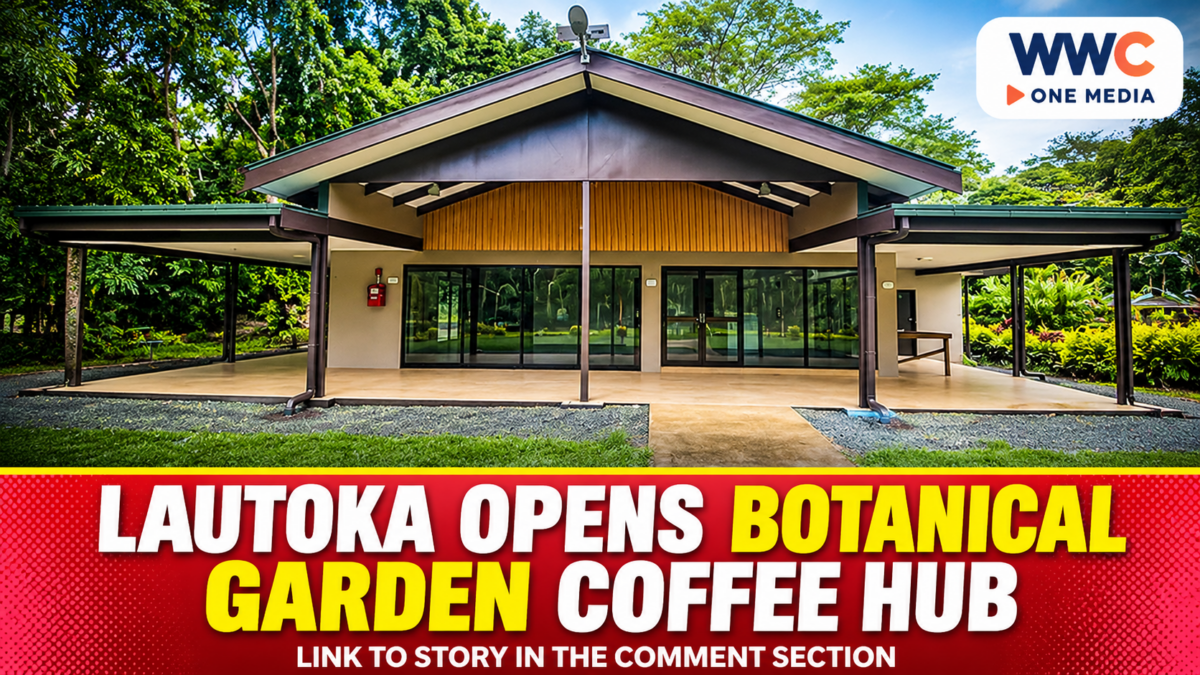
LAUTOKA, Fiji — A new visitor facility at Lautoka Botanical Garden is giving Fiji’s second-largest city another way to combine public-space improvements with commercial activity. The Botanical Garden Coffee Hub, established through a partnership involving Lautoka City Council and the Ministry of Housing and Local Government, is intended to make the gardens more convenient for visitors while contributing to the council’s broader economic objectives.
The project reflects a growing challenge for municipal authorities: maintaining public facilities and improving local services while finding income beyond traditional government support.
For Lautoka, the coffee hub is more than an additional place to buy refreshments. It is part of a wider approach to making council-managed spaces useful to residents, visitors and local businesses.
Lautoka Coffee Hub Adds a New Facility to the Botanical Garden
Lautoka City Council has confirmed the official opening of the Botanical Garden Coffee Hub, describing it as an initiative to improve public spaces and community experiences.
The facility is situated within the Botanical Garden in Lautoka, providing a refreshment option in a landscaped setting where families, residents and visitors can spend time.
The council’s announcement identifies the project as a small-enterprise initiative. Housing and Local Government Minister Maciu Katamotu Nalumisa highlighted its contribution to local economic activity and the appeal of the gardens.
The council also acknowledged the work of its Depot team, management and staff in bringing the development to completion.
The opening follows a longer process of seeking an operator for the site. Council tender notices invited established coffee shop or restaurant businesses to submit proposals for an operational lease at the Botanical Garden.
That process matters because it shows the facility was conceived not simply as a public amenity, but also as a commercial opportunity within a council-managed property.
Why Municipal Revenue Matters to Lautoka
Local authorities have to finance more than visible construction projects. They also need to maintain roads, drainage systems, public parks, markets, street furniture and other facilities used by residents and businesses.
Lautoka City Council’s own engineering information describes its responsibilities for maintaining council properties and infrastructure. It also identifies capital projects as investments intended to improve livelihoods and generate additional revenue for the council.
The Botanical Garden Coffee Hub fits into that broader approach.
A commercial facility on public property can potentially create income through an operating arrangement while making the location more attractive to visitors. If the arrangement is financially sound, the council may gain a recurring revenue source without having to operate the café itself.
However, the distinction between potential income and confirmed financial performance is important. The council’s public announcement does not disclose the coffee hub’s rental terms, projected annual revenue, operating costs or the amount expected to flow into municipal accounts.
Those details will determine how much the project ultimately contributes to the council’s finances.
The issue is relevant to other local-government investment discussions across the Pacific. WWC’s coverage of <a href=”https://wwconemedia.com/fiji-cooperative-investment-can-community-projects-build-trust-before-they-build-wealth/“>Fiji’s cooperative investment and financial-accountability framework</a> examines why commercial projects need transparent governance and clear reporting if they are to deliver lasting benefits.
The Project Was Part of a Wider Council Development Plan
The coffee hub did not emerge in isolation.
Lautoka City Council’s published engineering project list includes the proposed Botanical Garden coffee shop alongside other developments, including the Night Food Market Project at Namoli Green, proposed facilities at Shirley Park and an extension of the Narara Parade car park.
These projects point to a broader effort to make municipal property more useful and economically productive.
The council’s tender records also show that it sought operators for the Botanical Garden coffee shop through an operational-lease process. The notices were issued in stages, including a re-advertisement in 2025.
This provides a clearer picture of the project’s development: the council pursued a commercial operator for the facility rather than simply announcing a new public building.
For residents and businesses, the potential benefit is twofold. A better-used public space can improve the visitor experience, while a successful commercial arrangement can support the council’s capacity to maintain other services.
Local Businesses Could Benefit From More Visitor Activity
The success of a café in a public garden depends on more than the building itself.
It needs regular customers, reliable service, appropriate pricing and operating arrangements that match the needs of people using the surrounding space.
A café can also complement nearby activities by giving visitors a reason to stay longer. Families, people meeting friends and visitors exploring Lautoka may value having refreshments available within the gardens rather than having to leave the area.
The council’s wider vision identifies Lautoka as a health, cultural and sports tourism city in the South Pacific. Public spaces and visitor facilities can support that ambition, although one coffee hub alone cannot establish a tourism destination.
The commercial opportunity also depends on whether the facility attracts enough customers throughout the week, not only during opening events or busy visitor periods.
Fiji’s wider economic conditions remain relevant to local business activity. The country is also dealing with pressure on public resources, including the national drought response. WWC has examined the implications in its report on <a href=”https://wwconemedia.com/fijis-20-million-drought-response-faces-a-longer-test-as-el-nino-threatens-water-supplies/“>Fiji’s FJ$20 million drought response and the demands on public resources</a>.
For municipal authorities, this reinforces the importance of making public investments work efficiently and ensuring that new facilities can be maintained over time.
The Financial Test: Will the Coffee Hub Generate Sustainable Income?
The council has presented the Coffee Hub as a development that contributes to local economic activity and improves the public experience. But the public information currently available does not provide enough financial detail to calculate its return.
Several indicators would help residents assess its performance:
- Rental or lease income: How much does the operating arrangement contribute to council revenue?
- Operating responsibilities: Which party pays for utilities, maintenance, repairs and other ongoing expenses?
- Visitor demand: Is the facility attracting enough customers to remain commercially viable?
- Public-space benefits: Has the café increased use of the Botanical Garden or improved the visitor experience?
- Long-term maintenance: Are the facilities being maintained without creating additional financial pressure on the council?
These are practical measures of whether the project is delivering more than an attractive new facility.
The same principle applies to other public-property developments. WWC’s examination of <a href=”https://wwconemedia.com/fiji-land-ownership-debate-intensifies-what-does-the-constitution-actually-protect/“>Fiji’s land ownership and investment framework</a> highlights why documented rights, responsibilities and legal arrangements matter when public or privately held assets are used for commercial development.
What Happens Next?
Lautoka’s Botanical Garden Coffee Hub is now an operating public facility, but its longer-term contribution will depend on how effectively the commercial arrangement works.
The council has established the facility and identified its role in improving public spaces and supporting local economic activity. The next measure of success will be whether it produces reliable income, attracts visitors and remains useful to the community.
For Lautoka, the bigger question is whether this model can be repeated across other council-managed properties without placing unnecessary pressure on public finances.
A café can improve a garden. A well-managed commercial arrangement could do more: help a city make better use of its assets while supporting the services residents depend on.
The real test will be what the numbers show over time.