
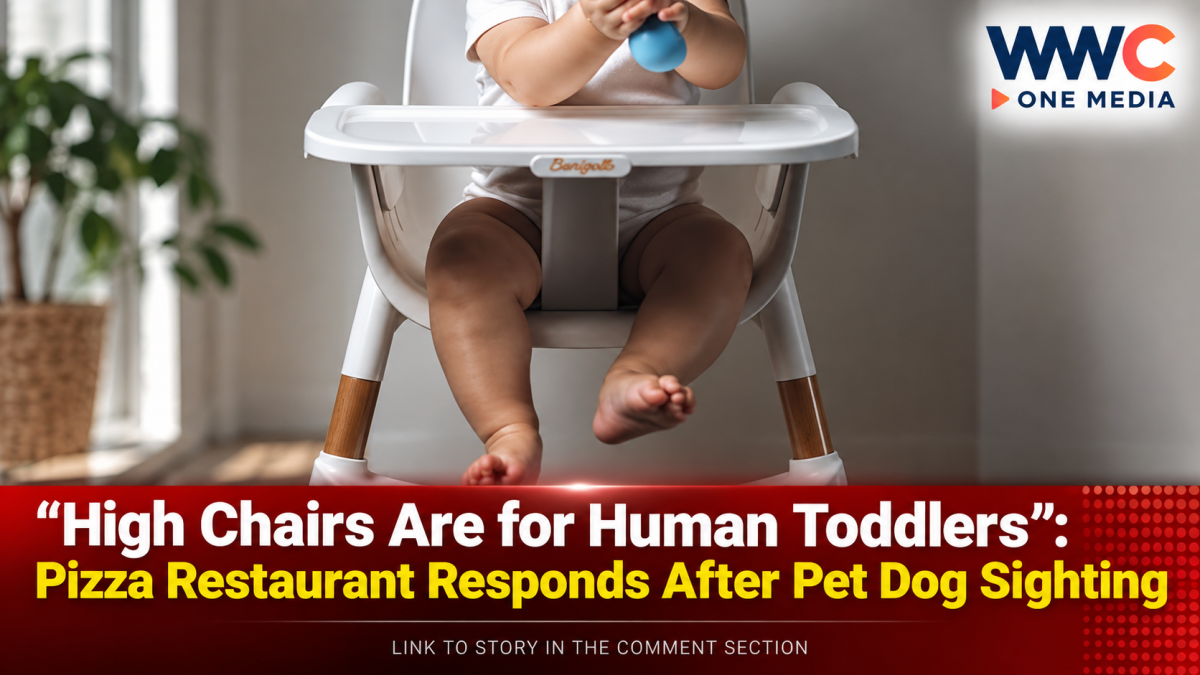
MANILA, Philippines — A pizza restaurant chain has responded after photos of a pet dog sitting in a baby high chair at one of its Taguig branches sparked an online debate over restaurant hygiene, pet-friendly policies and the boundaries between accommodating animals and protecting shared dining spaces.
The incident reportedly happened at a restaurant in a mall along Bonifacio High Street on September 7, when a customer spotted a dog sitting in a high chair beside its owners during dinner. Photos of the scene were subsequently shared online, prompting strong reactions from other customers.
Pizza Hut: High Chairs Are for Human Toddlers
Pizza Hut Philippines addressed the controversy after the images circulated online.
The company said it takes customers’ concerns seriously and emphasized that its restaurants follow international cleanliness and sanitation standards.
While noting that it welcomes pets at its designated pet-friendly branches, the company drew a clear line regarding high chairs.
“High chairs are strictly reserved for human toddlers,” the company said in its statement.
The restaurant also said that, moving forward, pet owners visiting its pet-friendly locations will be asked to keep their animals inside their personal pet strollers or carriers while dining.
The company added that its stores are thoroughly sanitized as part of its efforts to maintain a clean and safe environment for customers.
How the Incident Went Viral
The controversy began after a Threads user posted photos of the dog sitting in the restaurant’s high chair.
The customer questioned whether the restaurant staff should have intervened, particularly because a staff member appeared to be interacting with the diners in the photos.
The post subsequently circulated beyond Threads, including on Facebook, where other users joined the discussion about responsible pet ownership and hygiene in public dining areas.
The incident quickly became less about whether restaurants should allow pets and more about where the boundaries should be drawn inside shared food-service environments.
Pet-Friendly Does Not Mean Everything Goes
The controversy has also highlighted an important distinction for pet owners: allowing animals inside a designated pet-friendly establishment does not necessarily mean pets can use every facility intended for human customers.
Baby high chairs are designed for young children and are shared equipment in many restaurants.
The concern raised by critics is that allowing an animal to occupy such equipment could create additional cleaning and sanitation considerations, particularly when the same chair may later be used by a child.
That is why the restaurant’s response focused specifically on keeping high chairs reserved for their intended human users.
What Philippine Sanitation Rules Say
The debate has also prompted references to the Philippines’ sanitation regulations.
Coverage of the incident cited provisions under the Sanitation Code of the Philippines and its implementing rules concerning animals in places involved in the preparation, storage, handling or sale of food.
The rules are intended to prevent animals from creating sanitation risks in food-service environments.
However, social-media claims about the law should be treated carefully. The exact application of sanitation requirements can depend on the specific premises, activity and local enforcement.
The controversy therefore should not automatically be interpreted as a court finding or official determination that a particular customer committed a criminal offense.
Animal-Welfare Groups Have Also Urged Responsible Pet Practices
The discussion echoes previous guidance from the Philippine Animal Welfare Society (PAWS) concerning responsible pet ownership in public spaces.
PAWS has previously emphasized that being welcoming toward animals should go hand in hand with respecting facilities designed specifically for people, particularly young children.
The group has argued that responsible pet ownership helps preserve public confidence in pet-friendly establishments while reducing potential health and safety concerns.
The Bigger Question: Where Should the Line Be?
The incident has exposed a familiar challenge as more establishments accommodate pet owners.
Pet-friendly policies can make restaurants and other public spaces more welcoming to animal owners. But those policies still need clear boundaries covering areas such as shared seating, children’s equipment, food-service zones and sanitation procedures.
For businesses, the episode is also a reminder that having a pet-friendly policy requires clear rules and consistent enforcement.
For customers, it underscores the importance of respecting shared facilities — especially equipment intended for children.
Why It Matters
The viral dog-and-high-chair photo may appear to be a small restaurant incident, but it has opened a much bigger conversation about how pet-friendly public spaces should work.
The issue isn’t necessarily whether pets and people can share a restaurant.
It’s whether everyone — pet owners, other diners and businesses — understands where the boundaries are.
Pizza Hut’s response makes its position clear: pets may be welcome at designated branches, but baby high chairs are for human toddlers.
The question now is whether other pet-friendly restaurants will adopt similarly explicit rules before the next viral dining-space debate begins.




Leave a Reply