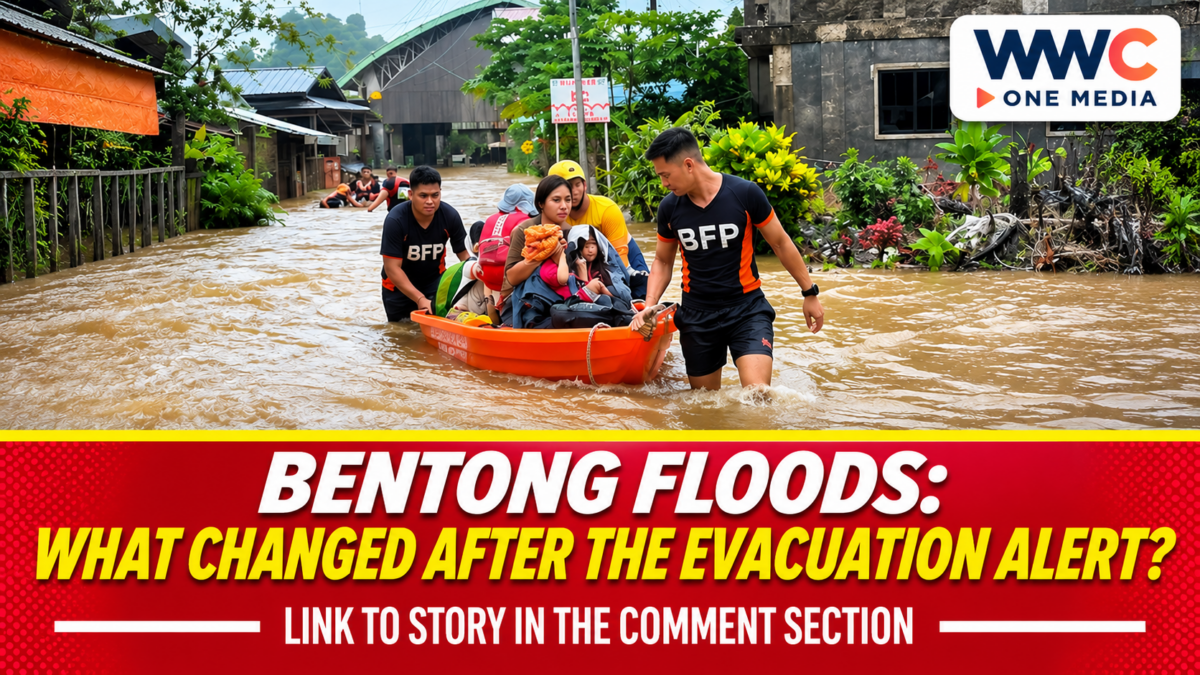
BENTONG, Malaysia — Nov. 21, 2026. Malaysia’s disaster-management dashboard no longer lists an active flood evacuation centre in Pahang in the snapshot reviewed following reports of flooding in Bentong district on Nov. 19. The Bentong floods underline an important distinction: an initial count of displaced people describes a particular reporting moment, while an updated shelter register shows which centres remain active.
A contemporary report put the number evacuated at 85. That figure has not been matched against a directly inspected, timestamped original government register for this editorial review and is not presented as a verified count. The official information does, however, establish where the public can check disaster operations, river conditions and the seasonal risk of further heavy rain.
Bentong Floods: An Evacuation Figure Needs a Time Stamp
Malaysia’s National Disaster Management Agency, NADMA, publishes an official disaster map identifying active temporary evacuation centres, the districts covered and the number of registered households and affected people. Its figures describe active operations at the time of the dashboard update, not necessarily everyone who has been displaced since a storm began.
In the dashboard snapshot examined for Nov. 21 reporting, the detailed list of active centres included districts in other Malaysian states but did not include Pahang. That does not establish how many were sheltered on Nov. 19 or that all affected homes had returned to normal.
The distinction protects readers from comparing incompatible figures. A historical evacuation count may be correct at the time issued, even when a later register lists no active local centre. A credible update must state both the reporting time and what the number actually measures.
What the Official Disaster Dashboard Does and Does Not Show
NADMA’s public system separates the number of active temporary evacuation centres, or PPS, from households and people affected. It also identifies disaster categories and district locations. Those categories help readers understand whether a reported figure concerns a shelter, a family or an individual.
An empty entry for one district is not a complete damage assessment. Families may return home while cleaning, repairs, damaged belongings and livelihood interruptions continue. Equally, a centre can close when those registered there are no longer using the facility, without proving that a new spell of rainfall is impossible.
Analysis: After an evacuation, the accountability question changes. Immediate rescue capacity matters during rising water, but officials and residents later need accurate information about access, sanitation, damaged infrastructure and eligibility for assistance. Each requires separate documentation rather than assumptions from a shelter count.
WWC has examined Malaysia’s broader monsoon relief capacity and the parliamentary questions surrounding it. That preparedness context is relevant but is not proof that every resource described nationally was deployed in Bentong.
River and Rainfall Data Need Local Interpretation
The Department of Irrigation and Drainage operates Public InfoBanjir, the official Malaysian platform for rainfall and river monitoring. It provides station observations, alerts and other hydrological information. The records are useful for checking conditions in relevant catchments, but stations may record different rainfall totals or water-level trends even within a district.
A rainfall observation from an earlier date should not be republished as the live condition on Nov. 21. Similarly, one station below a danger threshold does not establish that every low-lying road is passable. Local drainage, tributaries, obstructions and intense rainfall can alter conditions on the ground.
The official MyWater flood information system records incidents by district and lists categories such as overflowing rivers and internal drainage. Such classifications can guide further investigation, although a historical entry cannot alone establish the cause of every flooded property.
Analysis: Useful reporting combines dated river readings, rainfall data, local government notices and actual access conditions. None of those sources should be made to stand in for all the others.
Why Pahang Remains Exposed During the Monsoon
Malaysia’s Meteorological Department describes the northeast monsoon as a seasonal pattern bringing substantial rain to east-coast states including Pahang. Heavy rainfall during the season can therefore create new incidents after an earlier flood centre has closed.
That seasonal description is not a forecast that Bentong will flood again on a particular date. A specific warning requires a current notice identifying the affected location, validity period and expected conditions. Residents should use updated MetMalaysia warnings and official local disaster communications rather than rely on a warning copied from another day.
WWC’s report on Johor’s identified flood-prone locations and road risks describes separate planning in another Malaysian state. Its figures must not be transferred to Bentong. What the cases share is the importance of assessing exposure before prolonged rain arrives.
What Residents and Local Businesses Still Need to Know
The next useful Bentong-specific documents would include a dated shelter register for Nov. 19, an official notice confirming when the relief centre stopped operating, verified road-access information and any district assessment of damaged homes or services.
Until those records are inspected, a reported number of 85 evacuees should remain attributed to an unverified historical account rather than presented as a live NADMA total. The exact date and time of closure likewise need a primary statement before they can be treated as established.
For business owners, the absence of an active shelter listing does not guarantee that deliveries, utilities or employees’ travel routes were unaffected. Individual decisions should rest on current official conditions and confirmed local access.
WWC has also covered recurrent heavy-rain flooding concerns in Selangor. That separate report offers context about repeated exposure, not evidence of the damage or response in Pahang.
What Happens Next
The decisive next update is a dated original report from the Pahang disaster authorities or NADMA stating the historical number sheltered in Bentong, along with any final closure and return figures. Continued checks of weather alerts and river monitoring remain relevant throughout the monsoon.
At present, the sound conclusion is narrower than the original headline: Bentong faced reported flooding, the active federal disaster dashboard later showed no Pahang evacuation centre, and the earlier 85-person figure has not been independently verified from the required primary register.
Frequently Asked Questions
1. Were 85 people evacuated during the Bentong floods?
That figure appeared in contemporaneous reporting but was not independently matched against an original, timestamped government evacuation register during this review.
2. Does Pahang still have an active flood evacuation centre?
Pahang did not appear in the active-centre list of the NADMA dashboard snapshot examined for this report. Check the live dashboard for subsequent changes.
3. Where can Bentong residents check flood and rainfall conditions?
Malaysia’s Department of Irrigation and Drainage publishes official rainfall and river observations through Public InfoBanjir, while NADMA maintains the disaster dashboard.
4. Does a closed evacuation centre mean flood risk has ended?
No. A centre’s operating status is distinct from the seasonal risk of new heavy rain, local damage and the condition of affected roads.
5. What should be verified before publishing a final evacuation count?
A dated official shelter or disaster report, its reporting time, the number of people and households recorded, and any subsequent updates or corrections.