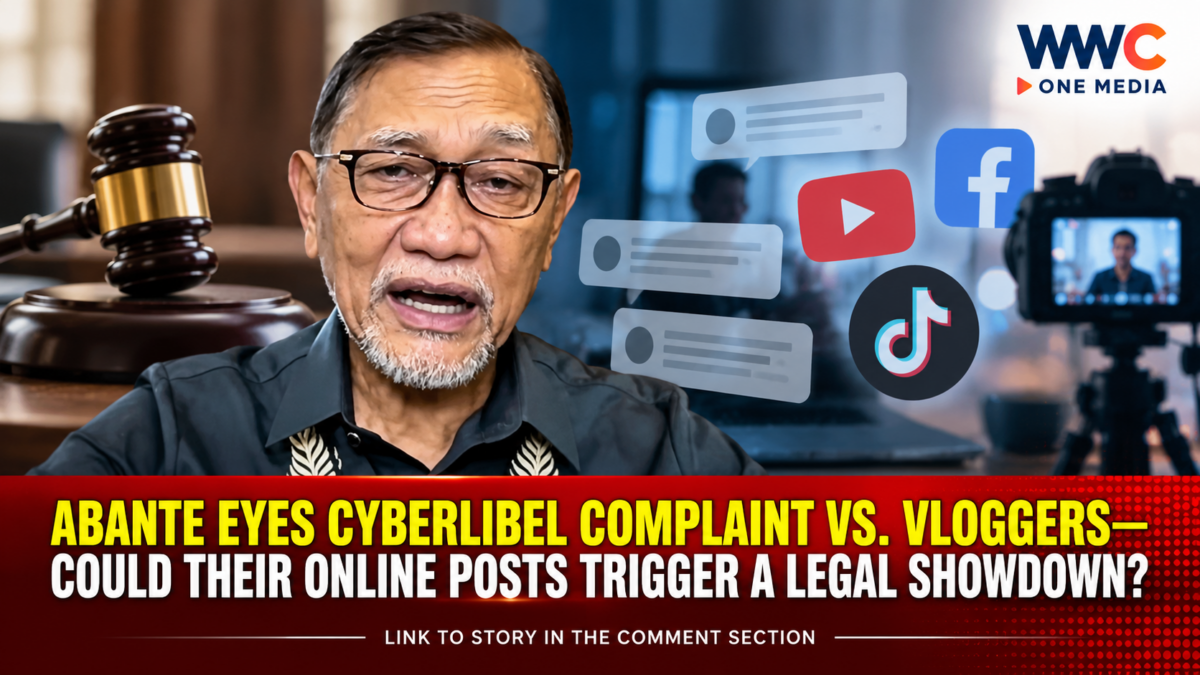
MANILA, Philippines — Manila 6th District Rep. Bienvenido “Benny” Abante Jr. is reportedly considering a cyberlibel complaint against vloggers, putting renewed attention on the growing tension between social media commentary, freedom of expression, and legal accountability.
The development comes amid previous disputes involving Abante and online personalities, including debates over allegations circulated on social media and the responsibility of content creators to verify information before publishing it.
The specific allegations and identities of the vloggers involved in the latest report should be confirmed before publication. The original Inquirer article could not be independently retrieved during verification.
Abante’s previous legal battle over cash-delivery allegations
Abante has previously taken legal action over allegations linking him to supposed cash-filled suitcases connected to the controversy surrounding former Ako Bicol party-list representative Elizaldy “Zaldy” Co.
On June 9, 2026, Abante filed libel and cyberlibel complaints against lawyer Levito “Levi” Baligod, 18 individuals described in reports as former bodyguards of Co, and radio station DWSI 864. The complaints stemmed from claims that Abante had received money allegedly linked to questionable flood-control projects.
Abante denied the allegations, describing them as false and misleading. He also questioned the credibility of the statements and argued that the accusations had been publicized before they could be properly evaluated by authorities.
The Philippine News Agency and GMA News Online independently reported the filing of those complaints. The filing itself does not establish that the respondents committed libel or cyberlibel.
Why cyberlibel complaints matter
Cyberlibel cases in the Philippines generally involve allegations of libel committed through computer systems or online platforms. Republic Act No. 10175, or the Cybercrime Prevention Act of 2012, addresses cyberlibel in relation to the Revised Penal Code’s provisions on libel.
However, not every critical post, unfavorable opinion, or online disagreement automatically constitutes cyberlibel. The circumstances, statements involved, applicable legal requirements, and available evidence matter in determining whether a complaint has legal merit.
For vloggers and other content creators, the controversy serves as a reminder to verify claims, distinguish allegations from established facts, and avoid presenting unsubstantiated accusations as proven wrongdoing.
Public officials, meanwhile, remain subject to public scrutiny. Legal disputes involving online speech must be assessed through the proper legal process rather than through assumptions about guilt or liability.
What happens next?
If Abante proceeds with a new complaint, investigators and prosecutors would need to examine the specific posts or statements, the evidence presented, and the applicable legal standards.
As of this article’s preparation, the exact scope and status of the proposed complaint described in the latest Inquirer report could not be independently confirmed. It would therefore be premature to identify particular vloggers as respondents or state that charges have already been filed.
The central question remains whether the reported dispute will lead to formal legal action—and how the case, if pursued, will test the boundaries between online commentary and potentially actionable defamatory statements.