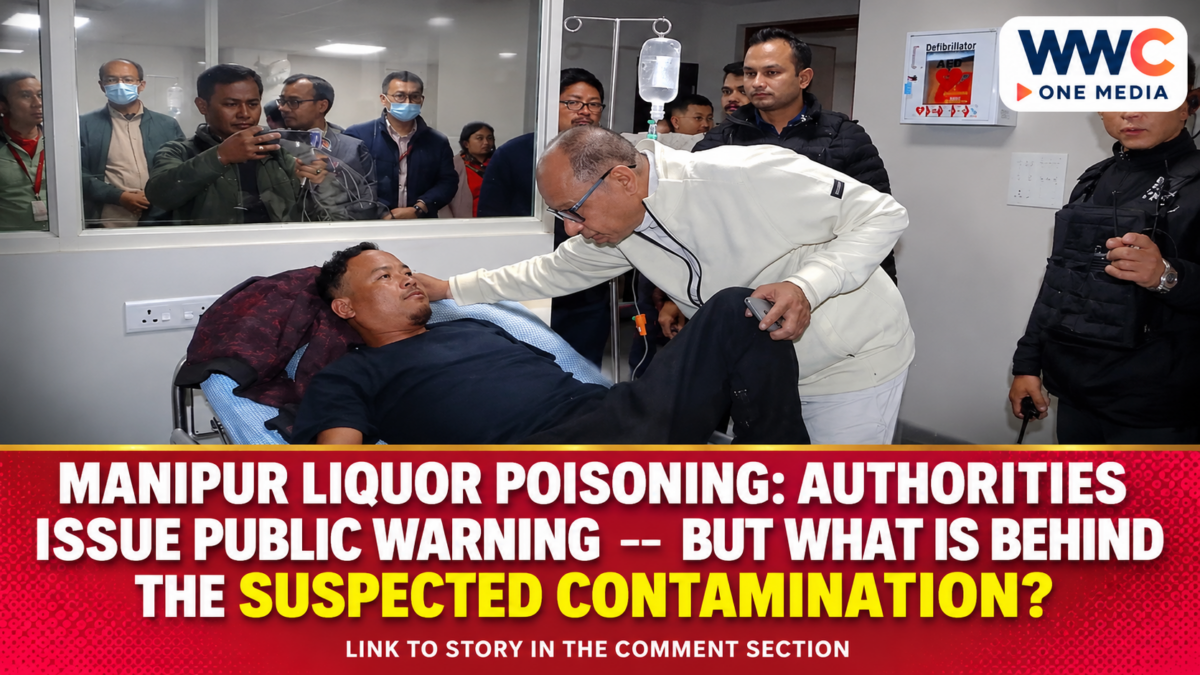
MANIPUR, INDIA — Concerns over suspected alcohol poisoning in northeastern India have placed renewed attention on the dangers of illegally manufactured liquor, as authorities in Manipur’s Thoubal district issued a public advisory against the production, distribution, sale and consumption of potentially unsafe alcoholic beverages.
The advisory, dated November 15, 2026, specifically addresses adulterated and illicit liquor, highlighting a consumer safety issue that extends beyond the regulation of alcoholic drinks.
At the centre of the concern is a potentially life-threatening question: what happens when consumers unknowingly ingest alcohol containing harmful substances?
The precise chemical cause, verified casualty figures and full extent of the suspected Manipur liquor poisoning incident remain important matters requiring authoritative confirmation.
Manipur liquor poisoning puts consumer safety under scrutiny
The public advisory in Thoubal covers several stages of the illicit alcohol supply chain, including manufacturing, selling, distributing and consuming unauthorised products.
Its scope highlights the importance of addressing potentially dangerous beverages before they reach consumers.
Alcohol contamination presents a particularly challenging public health problem because the composition of an unverified drink may not be immediately apparent.
The challenge is similar to the concerns surrounding counterfeit pharmaceutical products and the dangers of unknown chemical ingredients, where determining a product’s actual contents requires more than examining its appearance.
For regulators, an effective response must consider not only potentially harmful products already in circulation but also the conditions that allow them to enter the market.
Why methanol poisoning is especially dangerous
Methanol is a toxic form of alcohol that can cause severe medical complications when consumed.
Unlike the ethanol normally found in alcoholic beverages, methanol can produce highly dangerous effects inside the human body.
Exposure may initially cause symptoms such as headaches, nausea, dizziness or abdominal discomfort. More serious cases can involve visual impairment, neurological complications and loss of consciousness.
Symptoms may also be delayed, making suspected exposure particularly dangerous when individuals postpone seeking treatment.
Severe poisoning can result in permanent blindness or death.
However, methanol should not automatically be identified as the cause of the Manipur incident without verified laboratory findings.
Establishing the chemical composition of suspected beverages is essential before drawing conclusions about the substance responsible.
Why laboratory evidence matters more than speculation
Investigating suspected alcohol contamination requires more than identifying a drink associated with illness.
A comprehensive investigation would need to establish the chemical contents of relevant samples, identify potential connections between affected individuals and determine whether contaminated products originated from a common supply chain.
These are distinct questions, and answering one does not necessarily resolve the others.
The importance of scientific evidence is also relevant to previous regional incidents, including Taipei’s investigation into suspected food poisoning among school students.
In suspected contamination cases, premature conclusions can misdirect public attention and complicate efforts to identify the actual hazard.
Laboratory findings, clinical assessments and product traceability can collectively help establish a more reliable account of what happened.
Illicit liquor raises wider regulatory questions
The Manipur advisory also brings attention to the role of enforcement in protecting consumers from potentially dangerous products.
A response focused solely on individual sellers may be insufficient if hazardous beverages originate elsewhere in the supply chain.
Investigators may need to determine where products were manufactured, how they were transported and whether additional batches remain available to consumers.
The broader accountability issues associated with chemical contamination have also featured in WWC ONE MEDIA’s coverage of China’s kindergarten lead poisoning scandal.
Although the circumstances are different, both subjects highlight the importance of product safety controls and evidence-based investigations.
For governments across Asia and other markets, preventing exposure to dangerous substances requires coordination between health departments, enforcement agencies and regulatory institutions.
What should people do if they suspect alcohol poisoning?
Anyone who suspects exposure to methanol or another toxic substance through contaminated liquor should seek emergency medical attention immediately.
Warning signs associated with methanol poisoning can include:
- Blurred vision or other visual disturbances.
- Severe headaches or dizziness.
- Nausea and abdominal pain.
- Confusion or reduced consciousness.
- Seizures or serious breathing abnormalities.
People should not wait for symptoms to become severe before seeking professional assessment following suspected exposure.
Attempting to induce vomiting or relying on home remedies is not an appropriate substitute for emergency medical care.
Treatment decisions must remain under the supervision of qualified medical professionals.
What happens next?
The most important developments to watch in the Manipur liquor poisoning case are verified medical updates, chemical analysis results and official findings concerning the origin of any suspected contaminated beverages.
A consolidated government update would help establish the scale of the incident, distinguish precautionary screenings from confirmed poisoning cases and clarify the number of patients requiring hospital treatment.
Any enforcement findings should also distinguish suspected violations from legally established responsibility.
Until the relevant evidence becomes available, the immediate public health priority remains preventing further exposure and ensuring that potentially affected individuals receive appropriate medical attention.
The Manipur advisory highlights a fundamental consumer safety concern: the consequences of consuming an unverified product can extend far beyond the circumstances of its purchase.
For the affected communities, reliable information, timely medical intervention and transparent regulatory action remain essential.