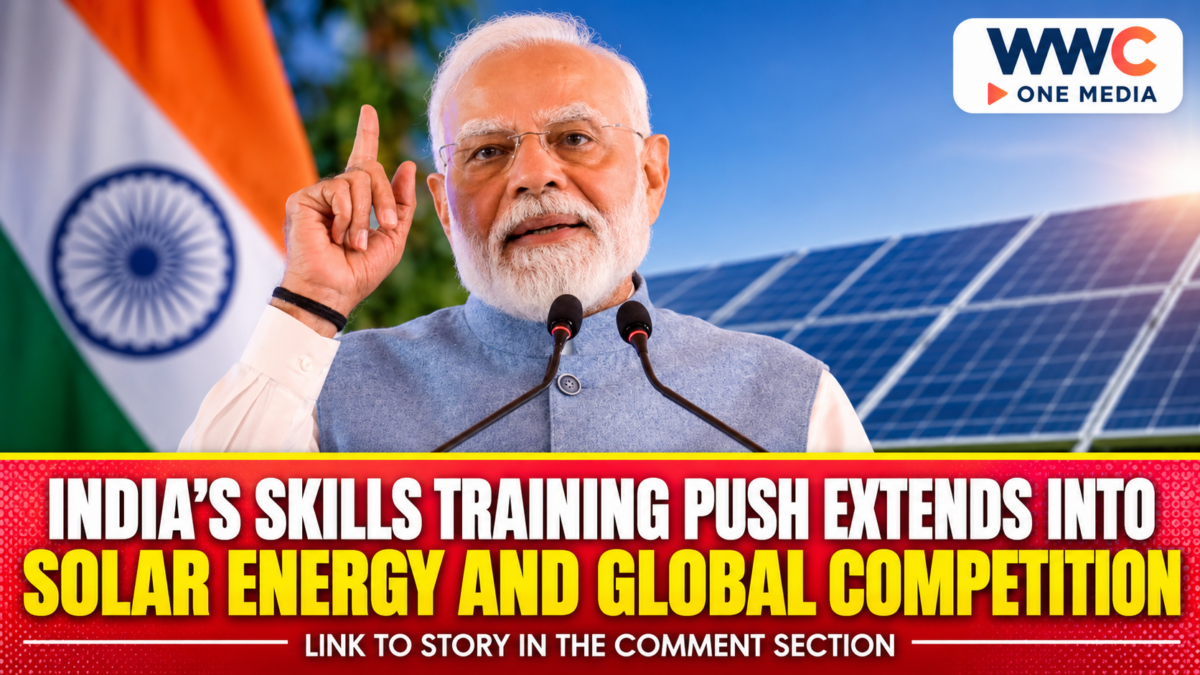
The Lucknow address also highlighted a workforce issue that goes beyond artificial intelligence: the availability of people who can perform essential technical jobs.
Modi described a government effort to expand urban piped natural gas connections, saying that progress had been held back by a shortage of plumbers. He used the example to explain why practical trades remain important even when governments have funding and infrastructure plans in place.
The Prime Minister also identified solar energy as a sector requiring large numbers of skilled workers. He pointed to the growth of sports-related manufacturing and fitness as another area where technical capabilities could create employment opportunities.
These examples give the skills debate a more concrete dimension. Digital qualifications may attract attention, but infrastructure, energy, manufacturing and essential services also depend on workers who can install, operate, maintain and repair equipment.
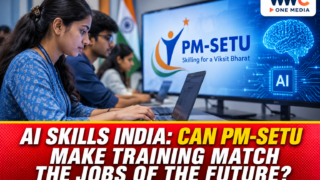
The government’s training strategy includes more than 30 newer trades in ITIs. The list presented during the address included artificial intelligence assistance, cybersecurity, drone technology, green hydrogen, industrial robotics, electric vehicles, animation and special effects, and semiconductor technology.
India is also preparing to host the WorldSkills Asia competition in Greater Noida, Uttar Pradesh, in 2027. The event is expected to bring young competitors from across Asia and provide an international platform for technical and vocational skills.
The announcement adds an international dimension to India’s vocational education ambitions. However, hosting a competition and expanding course offerings are not the same as demonstrating that graduates are securing suitable jobs.
The longer-term test remains whether training institutions can provide current equipment, capable instructors, practical experience and meaningful connections with employers. Those outcomes will determine whether the expansion of vocational education translates into a stronger workforce.