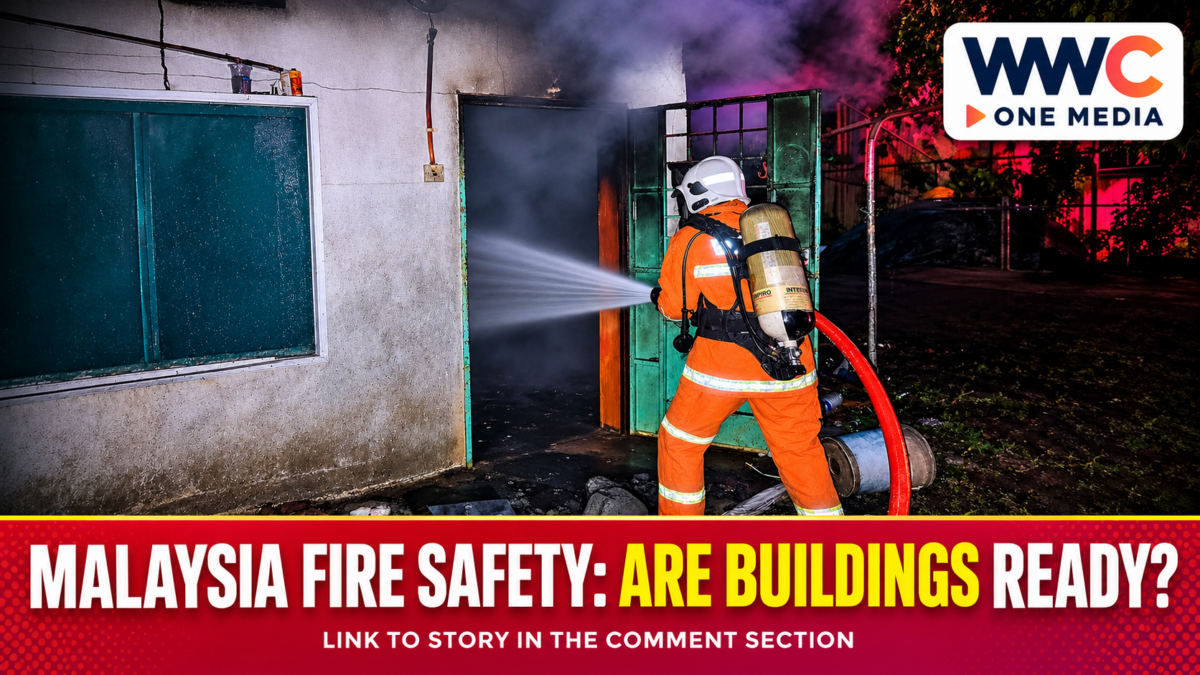
KUALA LUMPUR, Malaysia — Nov. 21, 2026. Malaysia’s official fire-safety framework places building design, protective systems and emergency readiness within a wider system of prevention. The Fire and Rescue Department of Malaysia (JBPM) has publicly described how building-plan reviews, fire-protection arrangements and training form part of that work.
For property owners, operators and residents, Malaysia fire safety is not merely a question of whether a fire extinguisher is available. The more useful question is whether people can recognise danger, reach a safe exit and obtain emergency assistance when something goes wrong. Building use can also change.
Malaysia fire safety starts before an emergency
Official material from JBPM’s fire academy describes fire safety as a responsibility spanning a building’s life cycle, from planning through oversight after construction. Training topics include building regulations, reviews of fire-protection plans, fire certification, the removal of fire hazards and public awareness.
That approach is broader than an inspection performed only after an accident. It suggests that fire precautions should be considered when premises are designed, occupied, maintained or altered. Documents alone cannot guarantee continuing safety.
The practical issue for an owner is whether the building’s actual use still matches the assumptions behind its safety arrangements. A change in occupants, room arrangements or operating hours can create new questions about warning systems and escape routes. Those are questions to assess.
Why a change in building use deserves attention
An office, shop and sleeping accommodation do not necessarily present identical evacuation needs. People who are awake and familiar with a workplace may respond differently from someone who is asleep or unfamiliar with the layout. This is a risk-management observation rather than a finding about any individual building.
A careful review therefore begins with basic questions: Who uses the premises? At what hours? How would occupants receive a warning? Are escape routes obvious and usable? Who assists people who need additional help? A review should also establish which approvals and fire-safety obligations apply to the property concerned.
Malaysia’s fire academy lists the Uniform Building By-Laws 1984, fire-protection plan review and fire certification among its formal fire-safety management subjects. Those references demonstrate the existence of a regulatory framework; they do not mean every small property is subject to the same certification requirements.
The distinction is important. Neither the presence of residential occupants nor the fact that a property has been adapted establishes a legal breach without the relevant approvals, building classification and inspection findings.
Evacuation training is more than a formality
An April 2025 notice from the Northern Region Fire and Rescue Academy describes an evacuation exercise involving academy staff, together with instruction on fire extinguishers and cardiopulmonary resuscitation for contract personnel. The academy explained that the exercise aimed to improve readiness and the ability to act and escape during a building fire.
The lesson is straightforward: emergency plans must make sense to the people expected to use them. A plan known only to management may be less useful when an unexpected emergency occurs. Roles, exits and warning procedures should be understood ahead of time.
WWC previously examined the importance of emergency systems in its coverage of the Johor Bahru City Square carpark fire. That was a different kind of property and incident, but it offers a useful comparison for how a fire can affect shared spaces and require coordinated action.
For families, preparedness should also account for children and other occupants who may require help. The aim is not to create fear, but to ensure that emergency decisions do not have to be invented in the middle of a crisis.
Fire investigations should establish causes, not assumptions
Early descriptions of a blaze can establish that emergency crews responded, but they do not necessarily establish how a fire started or why anyone could not escape. Determining an ignition source, the movement of smoke or flames, and the performance of safety measures requires investigation.
This distinction is especially important when public attention turns to a building’s ownership or previous use. Unverified claims about wiring, renovation, negligence or blocked exits can spread quickly. None should be presented as a confirmed cause without a competent official finding.
In a separate incident, WWC’s report on a KTMB cargo train fire near Johor Bahru distinguished an emergency response from the still-open question of ignition. The equipment and setting were different, but the reporting principle carries over: a fire is not itself proof of a particular fault.
The same restraint matters in buildings with multiple functions. WWC’s report on the Phuket commercial-property fire examined why investigators needed to establish the circumstances rather than assume that a building’s uses caused the tragedy. Comparisons cannot supply missing evidence.
Emergency calls and building responsibility
Malaysia’s government identifies 999 as its emergency hotline and lists the Fire and Rescue Department among the agencies connected to the national emergency-response system. The public portal explains that the system receives calls and coordinates information for the relevant responders.
That makes prompt emergency reporting an important part of preparedness. It does not replace a safe exit plan, a working warning system or building-specific precautions. Emergency services respond after a problem has been recognised; prevention and readiness are responsibilities that begin earlier.
For operators, sensible next steps include reviewing the use of the premises, obtaining qualified advice on applicable fire requirements, testing arrangements as prescribed, and ensuring occupants understand the emergency plan. The proper requirements depend on the particular building and local approvals.
What happens next
The wider challenge for building safety is to connect formal requirements with what occupants experience every day. A property may have documents, but the people inside still need a clear warning and a workable way to leave. That is why official training, building-plan oversight and practical evacuation readiness belong in the same conversation.
For any newly reported fire, the appropriate next stage is a documented account from the responsible authority: confirmation of the incident, a verified casualty record, the scope of the investigation and, when available, findings about the cause. Until such records are available, blame and technical explanations should remain off the table.
Frequently asked questions
What is Malaysia’s emergency number for a fire?
The Malaysian government identifies 999 as the emergency hotline connecting callers with emergency agencies, including the Fire and Rescue Department.
Does changing a building’s use automatically mean it is unsafe?
No. A change in use is a reason to examine the applicable approvals, occupancy arrangements and safety provisions. It does not by itself establish a breach or defect.
Who oversees fire safety in Malaysia?
JBPM has an official role in fire safety, including areas of building-plan review, fire-protection planning, certification and public education. Other approvals may depend on the premises and relevant authorities.
What should an owner check before a fire occurs?
Owners should assess the building’s actual use, applicable requirements, alarm and escape arrangements, staff or occupant preparedness, and the need for professional review. Emergency exercises can help test whether the plan is understood.