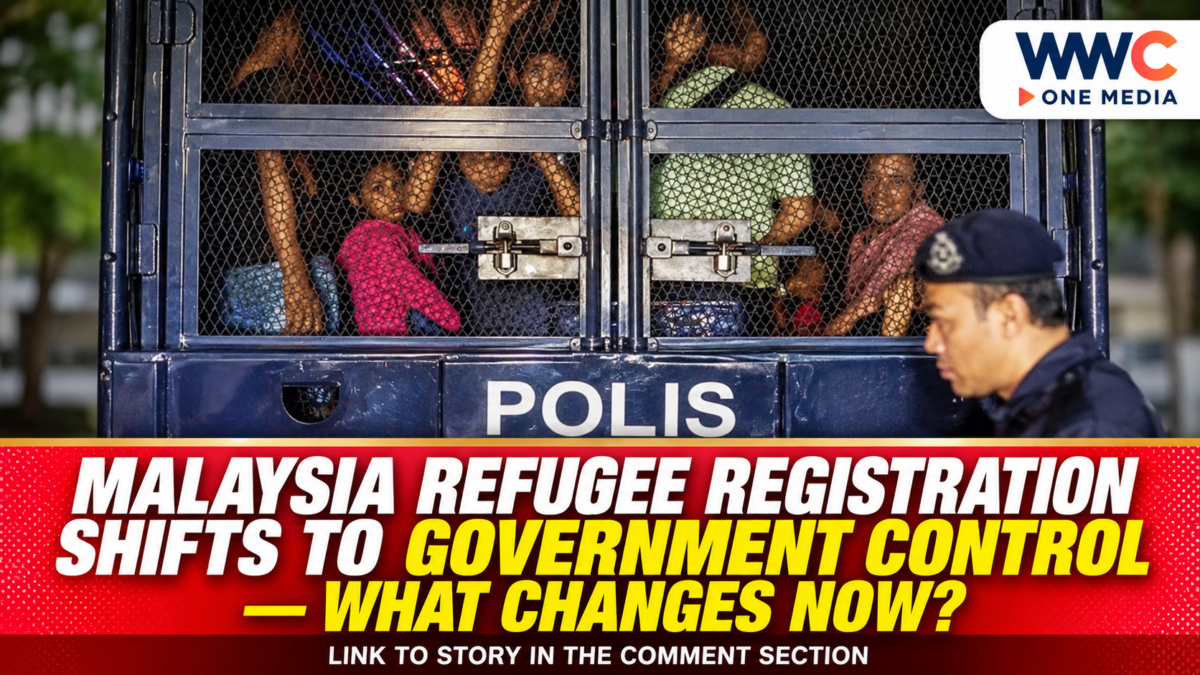
Malaysia has taken a significant step towards bringing refugee registration under government control, with the United Nations refugee agency stopping its registration and documentation activities in the country from Nov. 18, 2026.
The change follows the Malaysian government’s decision to move the registration of refugees and asylum-seekers into a government-led programme. However, the shift does not mean UNHCR has withdrawn from Malaysia: the agency says resettlement processing and support for people with urgent protection needs will continue. UNHCR Malaysia+1
The development marks an important stage in Malaysia’s effort to establish its own refugee-management system. It also raises practical questions about how people already registered with UNHCR, those waiting for appointments and families requiring updated documents will be handled during the transition.
Malaysia refugee registration enters a new phase
UNHCR Malaysia announced that it had ceased its registration and documentation activities with effect from Nov. 18. The agency said the decision was made in line with the Malaysian government’s move to place refugee and asylum-seeker registration under a government-led programme. UNHCR Malaysia
The announcement is connected to Malaysia’s Dokumen Pendaftaran Pelarian, or DPP, programme. The Ministry of Home Affairs describes DPP as a government initiative intended to record and verify people claiming refugee protection, collect biometric information and allow authorities to conduct security screening and determine refugee status. Ministry of Home Affairs Malaysia+1
The programme began on Jan. 1, 2026, and is being introduced in phases. Its first phase focused on people held at immigration detention depots and Baitul Mahabbah facilities in Peninsular Malaysia. A later phase is planned for people holding UNHCR documents and individuals claiming asylum who are not being held in detention facilities. Ministry of Home Affairs Malaysia+1
This is more than a change in paperwork. It transfers a central administrative function — recording applicants and assessing claims — towards Malaysian government agencies.
What Malaysia’s DPP programme is designed to do
Under the published government framework, the Home Ministry, through the Immigration Department, leads DPP implementation. The National Security Council coordinates the broader policy, while other government agencies are involved according to their responsibilities. Ministry of Home Affairs Malaysia+1
The process described by the Home Ministry includes registration, identity verification, biometric data collection, security screening and an assessment to determine whether an applicant qualifies for refugee recognition under the government’s programme. People approved as refugees may receive a DPP card, which allows temporary stay in Peninsular Malaysia subject to government conditions. Ministry of Home Affairs Malaysia
The government has also made clear that DPP is not a route to Malaysian citizenship or permanent residence. The National Security Council’s Nov. 5 explanation says the document does not automatically recognise someone as a refugee, provide automatic permission to work or create an open route for new refugee arrivals. Laman Web MKN
That distinction matters. Registration, recognition as a refugee and permission to remain in the country are separate questions. A person should not assume that holding an old UNHCR document automatically qualifies them for a DPP card or guarantees a particular immigration outcome.
The transition still has practical questions to resolve
UNHCR says it remains in dialogue with the Malaysian government over a proposed Transition Roadmap. The agency describes the intended process as gradual and protection-sensitive, with safeguards, clear communication and cooperation among relevant stakeholders. It also says it will continue providing technical advice and capacity support. UNHCR Malaysia
The need for clear arrangements is evident in UNHCR’s instructions to people affected by the change.
Anyone who already holds a UNHCR document is advised to keep it safe and carry it. People who had a registration appointment scheduled should not attend as planned; UNHCR says those appointments will not proceed and that it will contact affected applicants when more information becomes available. UNHCR Malaysia
The agency also says further clarification is still needed on family inclusions and document renewals. Those details are especially important for households whose records include children, newborns or relatives whose circumstances have changed. UNHCR Malaysia
The government’s published DPP framework explains the intended process, but applicants still need clear instructions on when and how people outside detention facilities can enter the next phase. A transition that changes the registration authority without clear information about access and documentation could leave people uncertain about what they should do next.
Capacity will be a major test for the government
Malaysia’s own parliamentary record points to the scale of the administrative challenge.
During a Dewan Rakyat debate on Nov. 3, Deputy Foreign Minister Dato Lukanisman bin Awang Sauni said the government had registered about 147 people under DPP from January to that point. He also referred to limited staffing as a constraint on carrying out registration on a larger scale. Digital Hansard – Parliament of Malaysia
That statement offers an important measure of the implementation challenge. A government-led system must do more than announce a new process: it needs enough trained personnel, reliable identity checks, secure data management and a workable way to assess individual cases.
The Home Ministry’s published information describes the programme as involving multiple government agencies, including the collection of biometric information and security checks. These functions require coordination and consistent procedures if applicants are to be assessed fairly and records kept accurately. Ministry of Home Affairs Malaysia
The shift also comes amid wider debate about Malaysia’s handling of people displaced from Myanmar. WWC has previously examined the government’s plans to return Myanmar nationals and the concerns raised over possible Rohingya returns. Those issues are related to the broader policy environment, although registration and repatriation are separate processes.
Why the distinction between UNHCR and DPP matters
UNHCR documentation and a Malaysian government-issued DPP card do not have the same legal function.
UNHCR explains that its recognition of a person as a refugee does not itself provide Malaysian immigration status. Malaysia’s government, meanwhile, describes DPP as a special pass for people recognised as refugees by the government, allowing temporary stay in Peninsular Malaysia under specified conditions. UNHCR Malaysia+1
The difference affects how people should understand their documents. A UNHCR card records a person’s status in the agency’s system; DPP is part of Malaysia’s own immigration and refugee-management framework. Neither document should be mistaken for citizenship, permanent residence or an international travel document. Ministry of Home Affairs Malaysia+1
The government-led system may give Malaysian authorities more direct control over identity records and status decisions. But its credibility will also depend on whether applicants can understand the process, access it in practice and receive decisions through consistent procedures.
For the humanitarian side, the transition’s safeguards and communication will be as important as the registration technology. UNHCR’s continued involvement in technical support and urgent protection assistance means the agency remains part of the wider response, even though it has stopped the registration and documentation functions described in its announcement. UNHCR Malaysia+1
What happens next
The immediate priority is clarification of the transition arrangements. UNHCR says it remains engaged with the government on the proposed roadmap, while its notice confirms that existing registration appointments will not proceed as scheduled and that further information is pending on family inclusions and document renewals. UNHCR Malaysia+1
People who already hold UNHCR documents should keep them safe and carry them. Those affected by cancelled appointments should wait for direct communication rather than visiting the office without a scheduled appointment. UNHCR also warns that its services are free and that people should not pay anyone claiming to secure registration or access to its services. UNHCR Malaysia
The longer-term test will be whether Malaysia can scale up DPP registration while maintaining clear procedures and protection safeguards. Until the next phase and its practical arrangements are explained, the full effect of the change on people waiting for registration remains uncertain.
Frequently asked questions
1. Has UNHCR stopped all services in Malaysia?
No. UNHCR says registration and documentation activities have ceased, but resettlement processing and support for refugees and asylum-seekers with urgent protection needs continue. UNHCR Malaysia
2. When did UNHCR stop registration in Malaysia?
UNHCR Malaysia says the cessation of its registration and documentation activities took effect on Nov. 18, 2026. UNHCR Malaysia
3. What is Malaysia’s DPP programme?
DPP stands for Dokumen Pendaftaran Pelarian. It is Malaysia’s government-led programme for registering people claiming refugee protection, verifying identity, conducting security screening and determining refugee status. Ministry of Home Affairs Malaysia+1
4. Will existing UNHCR documents become invalid immediately?
UNHCR’s Nov. 18 notice does not announce an immediate blanket cancellation of existing documents. It advises current document holders to keep their documents safe and carry them. The government and UNHCR still need to clarify aspects of the transition, including document renewals. UNHCR Malaysia
5. Should someone attend a cancelled UNHCR registration appointment?
No. UNHCR says appointments that had been scheduled will not take place as planned. It says affected applicants will be contacted when there is more information and do not need to visit the office to confirm or reschedule.