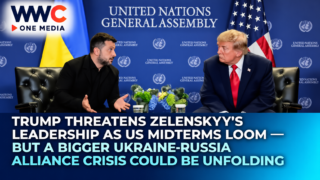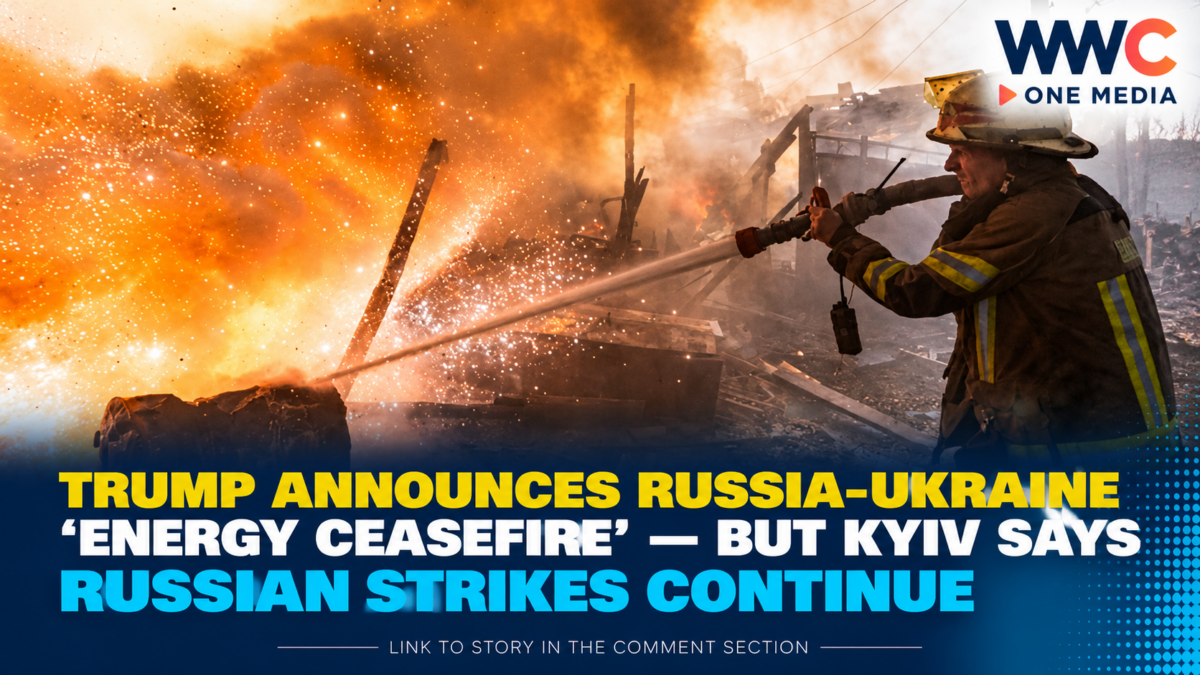
US President Donald Trump has announced that Russia and Ukraine have agreed to an immediate ceasefire targeting attacks on energy infrastructure, but Kyiv says Russian strikes continued despite the declaration, casting fresh uncertainty over the latest attempt to limit the fighting.
Trump announced the agreement on Sunday (Oct 11) in a brief social media post, saying the arrangement took effect immediately and warning both sides not to violate it. However, he provided no details on how the agreement would be implemented or monitored.
Moscow did not immediately comment on the announcement.
Ukrainian President Volodymyr Zelenskyy welcomed the prospect of a pause in attacks on energy facilities but said Russian forces were still striking infrastructure in Kyiv and Kharkiv.
“Unfortunately, Ukrainian skies have been infested with Russian ‘shaheds’ all day today,” Zelenskyy said in an evening address, referring to Russian-launched attack drones.
The conflicting accounts have raised questions about whether the proposed ceasefire has been accepted by both sides and whether it can prevent further damage to critical infrastructure.
Kyiv says attacks on energy facilities have continued
Ukraine has repeatedly accused Russia of targeting power facilities, threatening electricity supplies and other essential services as the country faces another winter during the war.
Following Trump’s announcement, Ukrainian officials reported further attacks on energy infrastructure. A statement from the regional prosecutor’s office in Kharkiv on Monday said Russian forces had attacked an energy facility on the outskirts of the city.
Zelenskyy said Ukraine was prepared to stop striking Russian refineries if Moscow halted attacks on Ukraine’s energy system. He urged Trump to press Russia to honour such an arrangement.
The proposed ceasefire would focus on energy infrastructure rather than ending the wider war, which has continued for more than four years since Russia launched its full-scale invasion in February 2022.
Trump’s announcement leaves key questions unanswered
Trump did not publicly outline the terms of the agreement, including how each side would verify compliance or respond to alleged violations.
The announcement also follows an earlier claim by Trump in September that Russia and Ukraine had agreed not to attack each other’s energy infrastructure. That proposal did not develop into a clearly established, sustained ceasefire.
Without confirmation from Moscow and clear implementation details, the latest announcement remains uncertain.
European Union foreign policy chief Kaja Kallas welcomed the prospect of a pause in energy strikes but expressed doubt that Russia would respect it, saying there was not yet evidence of Moscow’s commitment.
Deadly attacks continue as the war intensifies
The ceasefire announcement came amid continuing aerial attacks on both sides.
Ukraine’s Kharkiv Regional Prosecutor’s Office said a Russian drone attack on the village of Pisochyn on Sunday evening killed three people and injured nine others, including children.
Ukraine’s air force also reported that its air defences had shot down or suppressed 89 of 121 Russian drones overnight into Monday. Russian authorities, meanwhile, said their air defences had intercepted 151 Ukrainian drones overnight.
The figures were reported by the respective authorities and could not be independently verified in full.
Energy security remains a major concern
Energy infrastructure has become a central target in the conflict, with attacks threatening electricity, heating and water supplies for civilians.
Russia has struck Ukrainian power facilities, while Ukraine has launched drone attacks against Russian energy sites, including oil refineries. Both countries have continued long-range aerial operations even as ground fighting remains largely deadlocked.
The prospect of an energy ceasefire is particularly significant as colder weather approaches and demand for heating rises. A sustained halt to attacks could reduce risks to civilians and ease pressure on damaged infrastructure.
For now, however, continued reports of strikes leave the agreement’s effectiveness in doubt. Whether Russia and Ukraine will formally confirm the arrangement — and demonstrate that they are complying with it — remains the key question.