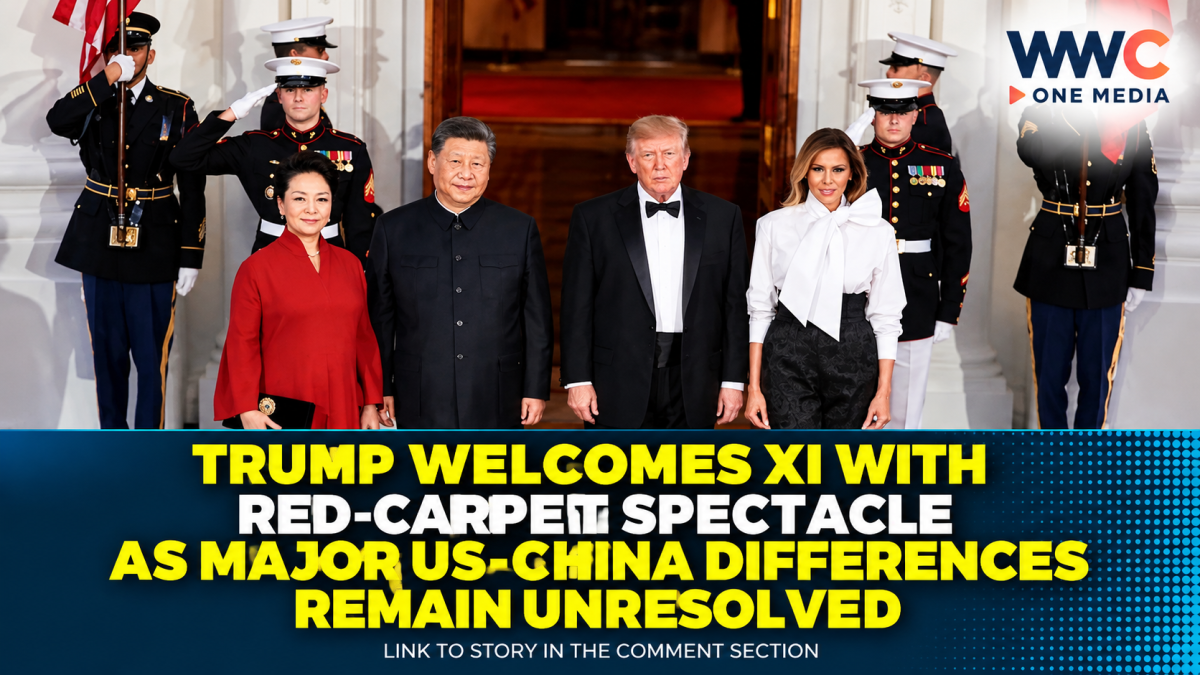
US President Donald Trump welcomed Chinese President Xi Jinping to the White House with an elaborate state ceremony and lavish dinner, but the high-profile summit produced few signs of major breakthroughs on some of the most difficult issues between the two countries.
Xi’s visit to Washington marked his first trip to the US capital in more than a decade and the second face-to-face meeting between the two leaders in 2026. Trump emphasized his personal relationship with Xi and described their relationship as a “truly great friendship,” while Xi stressed the importance of managing competition between the world’s two largest economies.
The symbolism surrounding the visit was difficult to miss. Xi received a formal arrival ceremony featuring military honors, national anthems and a flyover, followed by meetings at the White House and a state dinner attended by senior officials and prominent technology executives.
But behind the ceremony, significant disagreements remained.
Trade was one area where the two sides appeared to maintain their recent effort to prevent another escalation. US Treasury Secretary Scott Bessent said the existing trade truce had been extended for two months, pushing its expiration into January. However, the extension was limited rather than a comprehensive settlement of the broader US-China trade relationship.
Artificial intelligence was also discussed, with Trump highlighting what he called “super intelligence.” The leaders did not announce a major new agreement on AI regulation or the growing technological competition between Washington and Beijing.
Taiwan remained another major point of disagreement. China’s account of the meeting said Xi urged Trump to oppose Taiwanese independence and handle the issue carefully. The White House had not immediately released its own detailed summary of the private discussions, leaving important questions about the extent of any agreement on Taiwan.
The war involving Iran was another issue where expectations for a breakthrough were not fulfilled. China has significant economic ties with Iran, while Trump has taken a much more confrontational approach toward Tehran. No major agreement resolving the differences between Washington and Beijing over the conflict emerged from the summit.
The contrast between the ceremony and the substance has therefore become a defining feature of the meeting. The two governments are maintaining dialogue and have taken steps to prevent trade tensions from escalating, but fundamental disagreements over Taiwan, technology, security and international conflicts remain.
The leaders are also expected to have additional opportunities for direct engagement later this year. China will host the APEC Economic Leaders’ Meeting, while the United States will host the G20 summit, and the two countries have agreed to support each other’s hosting efforts.
For now, the Washington summit appears to have reinforced communication between Trump and Xi without resolving the biggest strategic disputes between their governments.
The red carpet may have signaled a warmer phase in US-China diplomacy, but the unresolved issues behind the ceremony remain — and the next round of talks will show whether the latest truce can produce more than symbolism.