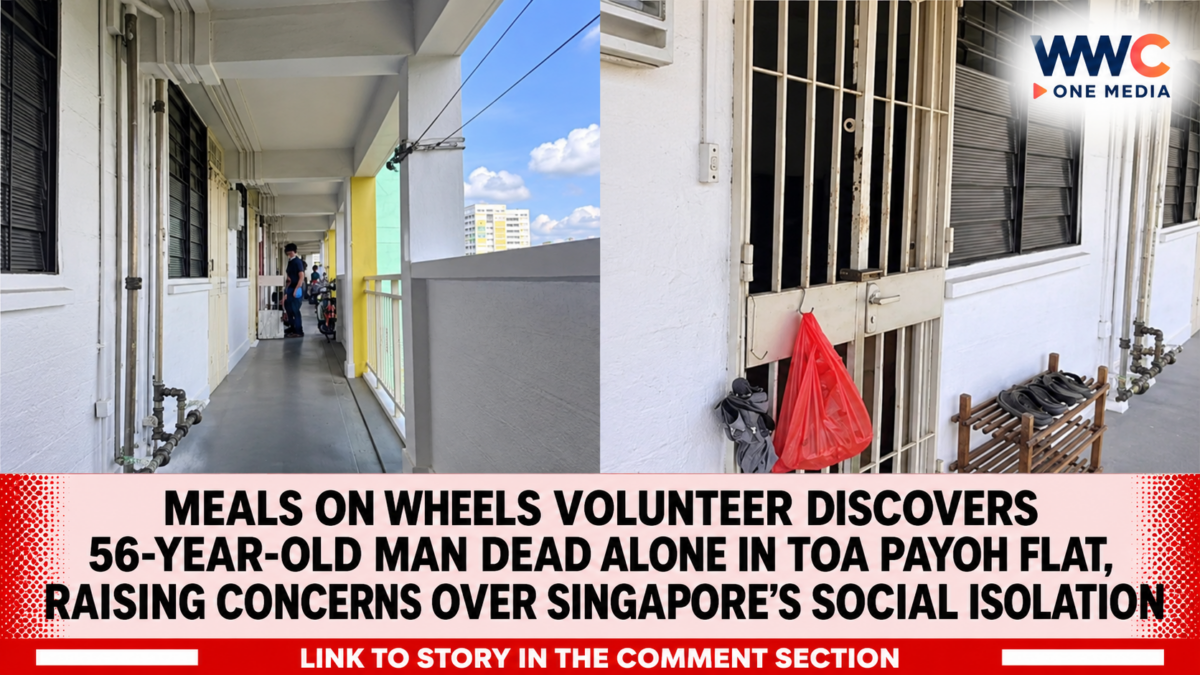
A routine Meals on Wheels delivery in Singapore turned into a heartbreaking discovery after a volunteer learned that a 56-year-old man had been found dead inside his rental flat in Toa Payoh, with police reporting no indication of foul play.
The incident happened on Wednesday, November 11, at Block 52 Lorong 6 Toa Payoh. The discovery was recounted by Tony Heng, a volunteer with Touch Community Services’ Meals on Wheels programme for about 10 years.
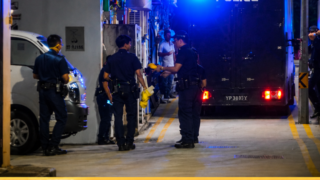
Heng told AsiaOne that he arrived at the block at around 10.30am to deliver food to a resident when he noticed a police operation at a nearby unit. The man who had died lived just two doors away from the person he was visiting.
After noticing signs that the door had been forced open, Heng approached officers to ask what had happened. He was told that the case involved a resident who had died alone.
The Singapore Police Force said it received a call for assistance at about 9.50am. Officers found a 56-year-old man lying motionless inside the residential unit and pronounced him dead at the scene.
Police investigations found no indication of foul play.
Volunteer Describes the Discovery as a Wake-Up Call
In a social media post about the incident, Heng described the scene as deeply disturbing and highlighted the vulnerability of people who live alone without regular contact from family or neighbours.
He wrote that there was no family or neighbour present when the situation came to light.
The experience left a strong impression on the volunteer, who said some residents receiving Meals on Wheels deliveries may have very limited social interaction.
For certain people living alone, a volunteer delivering food may be among the few individuals who regularly check on them.
Heng urged members of the public not to ignore elderly or isolated neighbours who suddenly stop appearing outside their homes, leave meals untouched or keep their doors closed for unusually long periods.
His message was simple: knock on the door and ask whether the person is all right.
He also encouraged people to consider volunteering with Meals on Wheels. According to his post, the programme needs volunteers for Wednesday morning shifts from 9.30am to 11.30am.
Singapore Has Thousands of Older Residents Living Alone
The incident has renewed attention on a growing social challenge in Singapore: how to ensure that people living alone are not forgotten or left without support.
According to figures cited in a July 2026 Channel NewsAsia report, approximately 87,000 residents aged 65 and above were living alone in Singapore in 2024.
The number of people living alone does not automatically mean they are socially isolated. Many maintain relationships with relatives, friends and community groups. However, the figure highlights the importance of regular contact and accessible support for vulnerable residents.
There is also no comprehensive national count of people who die alone at home and remain undiscovered for a period of time.
AsiaOne reported that social service agency Loving Heart compiled at least 33 cases of seniors who died alone and were discovered after some delay in 2025, based on media reports and online information. The comparable figure for 2024 was at least 42, according to earlier reporting by The Straits Times.
These are compiled media figures, not official national statistics.
The distinction matters because the actual scale of the problem may be difficult to establish without a centralised reporting system.
Another Recent Death in Yishun Highlights the Importance of Neighbourly Checks
The Toa Payoh discovery came shortly after another elderly resident was found dead alone in a Yishun flat.
On November 10, an 81-year-old woman was found motionless inside her home at Block 343 Yishun Avenue 11 after a neighbour became concerned about an unusual smell.
The neighbour had noticed that the woman’s front door had remained closed since November 6, even though she usually left it open during the day.
Her husband contacted the police after the smell became stronger. Officers later found the woman dead inside the flat.
Police said preliminary investigations did not suggest foul play.
The two incidents happened in different neighbourhoods and involved different circumstances. However, both demonstrate how neighbours and people making routine visits can become an important line of support when someone living alone stops responding.
Singapore Is Expanding Community Efforts to Reach Isolated Seniors
The challenge of identifying vulnerable residents has already prompted community organisations and local initiatives to strengthen neighbourhood outreach.
In May 2026, Project Silver Circle was launched in Toa Payoh Central to engage frail and socially isolated seniors through regular visits, companionship and assistance with everyday activities.
Volunteers are encouraged to check on residents, build relationships and connect them with active ageing centres and other community services.
The programme recognises that some seniors may not actively seek assistance, even when they need it. Regular visits can help build trust and make it easier for residents to accept support.
Another example is Care Corner Singapore’s Project Neighbour Network, which trains older volunteers to befriend vulnerable elderly residents.
The Straits Times recently profiled 90-year-old Ratnam Periowsamy, who continues visiting neighbours in Toa Payoh to encourage isolated seniors to take part in community activities.
Her work demonstrates that community support does not always require expensive technology or complicated programmes. Sometimes, it begins with someone noticing that a neighbour has become unusually quiet.
Why Regular Meals and Welfare Checks Can Matter
Meals on Wheels programmes provide more than food to residents who are unable to prepare meals or leave their homes easily.
Regular deliveries can also create opportunities for volunteers to notice changes in a person’s circumstances.
An uncollected meal, an unanswered door or a sudden break in a familiar routine may prompt someone to check whether a resident needs help.
However, volunteers are not a replacement for professional care or emergency services. They can help identify warning signs and alert the appropriate authorities when something appears wrong.
The same principle applies to neighbours and family members. A short visit, phone call or message can help maintain contact with someone who might otherwise spend long periods without speaking to another person.
WWC ONE MEDIA previously reported on concerns about emergency assistance for older residents in Singapore MOH Probes Emergency Response Lapse After Elderly Resident’s Call Button Failed.
That case involved an 85-year-old resident who reportedly received no assistance after activating an emergency call button following a fall. It was a separate incident, but it raised questions about the reliability of support systems designed to protect older residents.
In another story highlighting the importance of looking out for vulnerable people, Singapore Woman Wins Praise After Helping Elderly Motorcyclist Whose Bike Broke Down showed how a passer-by’s decision to stop and help an older road user attracted widespread appreciation.
Both stories underline the importance of people noticing when someone may need assistance.
What Residents Can Do to Help Prevent Isolated Neighbours From Going Unnoticed
The Toa Payoh incident has prompted an important reminder that checking on vulnerable neighbours does not have to involve a major commitment.
Residents can help by:
- Getting to know older neighbours who live alone.
- Checking in when someone suddenly stops following their usual routine.
- Noticing when delivered meals, newspapers or other items remain untouched for an unusually long time.
- Contacting family members or trusted community organisations when there are genuine concerns.
- Alerting the police or emergency services if someone appears to be in immediate danger or needs urgent assistance.
- Considering volunteer opportunities with meal-delivery and befriending programmes.
People should also respect privacy and avoid making assumptions about someone simply because they live alone. The aim is to offer support without intruding unnecessarily.
A Reminder That a Simple Knock Can Matter
The death of the 56-year-old Toa Payoh resident has left a difficult question for the community: how many people living alone might go unnoticed when their daily routines suddenly stop?
The Meals on Wheels volunteer was not visiting the deceased man’s flat. He was delivering food to another resident nearby when he encountered the police operation.
Yet his experience became a reminder of the important role that volunteers, neighbours and community organisations can play in recognising when something is wrong.
The man’s death remains under police investigation, with no indication of foul play reported.
For Singapore’s ageing population, the wider lesson extends beyond one block or one volunteer programme. A community becomes safer when people know one another well enough to notice when someone disappears from their everyday routine.
Sometimes, the most important act of care begins with something as simple as knocking on a neighbour’s door and asking: Are you okay?