
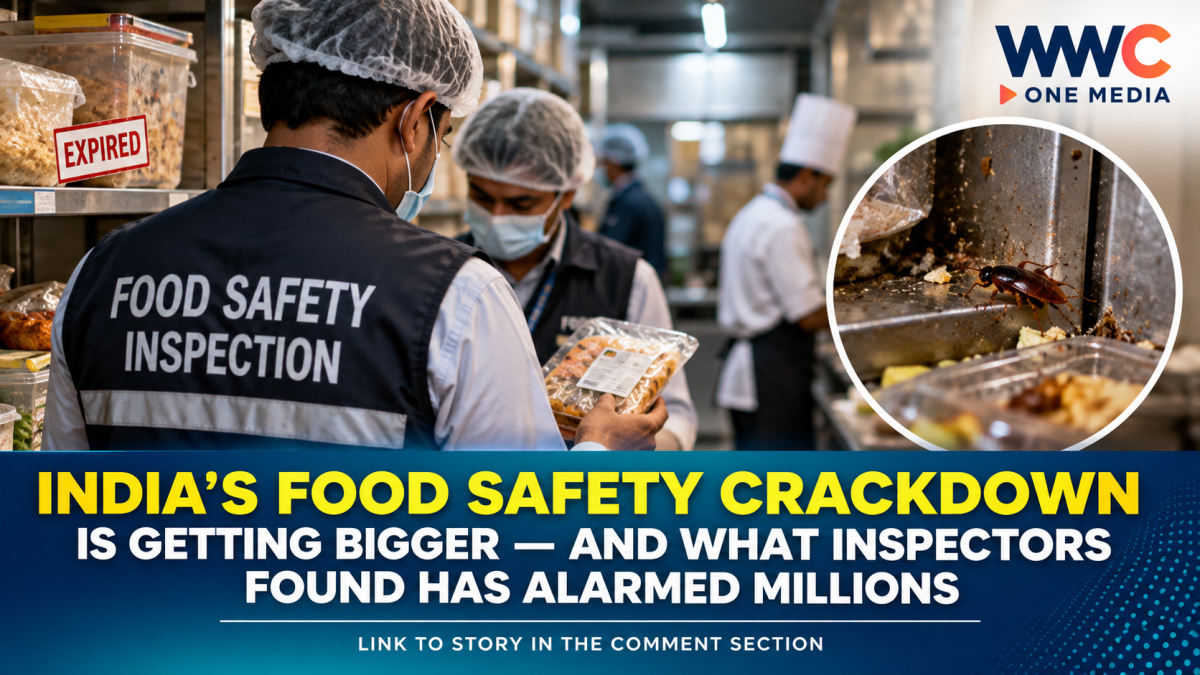
MUMBAI, India — A sweeping food safety crackdown in India is putting restaurants, street vendors, major food chains and grocery delivery businesses under intense scrutiny after inspectors uncovered serious hygiene and food safety violations across Maharashtra.
The aggressive campaign, led by Maharashtra Food and Drug Administration Commissioner Tukaram Mundhe, has transformed food safety into one of India’s biggest public health conversations, with surprise inspections and viral images exposing unsanitary kitchens, pest infestations, unsafe storage practices and expired food products.
The crackdown has now extended far beyond small eateries, affecting established restaurants, international food chains and fast-growing quick-commerce businesses.
Food Safety Crackdown Puts Thousands of Businesses Under Scrutiny
Maharashtra authorities have carried out thousands of inspections since Mundhe took charge of the state’s food safety administration in May.
According to reporting by Reuters, Mundhe’s teams conducted more than 3,000 raids targeting restaurants, street food vendors, hotels, grocery warehouses and other food businesses. The inspections resulted in permit suspensions and enforcement actions against several high-profile establishments.
Authorities found problems ranging from cockroach and rodent activity to expired food, poor sanitation and unsafe storage conditions.
The scale of the problem has alarmed consumers and intensified pressure on food businesses to improve hygiene standards.
Government data cited by Reuters showed that Indian food inspectors have tested more than 100,000 food samples annually since 2020, with roughly one in five samples found to be unsafe, substandard or improperly labelled. Thousands of food business licences have also been cancelled nationwide in recent years.
Major Food Chains and Delivery Companies Also Hit
The Maharashtra crackdown has made headlines because regulators have not limited their inspections to small businesses.
Reuters reported that enforcement action has affected outlets operated by major international food brands, including Domino’s, Pizza Hut and McDonald’s, after inspectors identified hygiene and food safety concerns at some locations.
Quick-commerce companies have also come under scrutiny.
Earlier inspections targeted warehouse and delivery facilities operated by major platforms, with regulators citing sanitation problems, pest activity and improper food storage at some inspected locations.
The message from Maharashtra regulators has been clear: food safety rules apply to everyone, regardless of the size or reputation of the company.
Unsafe Food Worth Billions of Rupees Seized
The financial scale of the crackdown is also significant.
India Today reported that Maharashtra’s FDA inspected more than 3,100 hotels, restaurants, eateries and other food establishments between May 25 and July 31.
During that period, authorities said they seized or destroyed approximately 28.66 lakh kilograms of unsafe food products valued at around ₹55.72 crore. The FDA also suspended the licences of 165 establishments as part of the statewide enforcement campaign.
The figures underline the scale of the challenge facing India’s food safety system.
‘Food Safety Is a Huge Public Health Crisis’
Mundhe has argued that the issue goes far beyond dirty restaurants or isolated cases of food adulteration.
In a recent interview with The Indian Express, the Maharashtra FDA commissioner described food safety as a major public health concern and said the problem required a more visible and assertive regulatory response.
He argued that food safety should not be viewed solely as a question of hygiene in restaurants but as part of a broader public health challenge involving food quality, adulteration, nutrition and the growing consumption of highly processed products.
Mundhe also revealed that the FDA inherited a significant laboratory testing backlog when he assumed office. According to him, around 14,000 samples were pending at the time, while the department has since processed more than 35,000 samples, with more than 32,000 tested and results made available.
Why the Crackdown Is Going Viral
One reason the campaign has gained national attention is the visibility of the inspections.
Photos and videos released following raids have shown dirty kitchens, pest infestations, stained facilities, questionable food storage and expired products.
The images have struck a nerve with consumers who have long expressed concerns about hygiene standards at restaurants, roadside stalls and food preparation facilities.
Reuters reported that the crackdown has already prompted some food vendors to change their practices voluntarily, including improving food packaging, changing cooking oil more frequently and requiring workers to use gloves and protective head coverings.
For many consumers, the raids have created a new question: If inspectors are finding these problems now, how long have some unsafe practices been happening unnoticed?
Restaurants Rush to Improve Compliance
The crackdown is already changing how food businesses operate.
The Indian Express reported that restaurants and hotels in Maharashtra have begun seeking help from food safety consultants and specialists to identify weaknesses in areas such as pest control, water testing, staff training and kitchen hygiene.
Businesses are increasingly conducting internal audits and compliance checks as regulators continue surprise inspections across the state.
However, the campaign has also sparked criticism from some business owners, who argue that regulators should provide establishments with more time to correct violations.
Reuters reported that some businesses have challenged enforcement actions in court and accused the FDA of being overly aggressive. Mundhe has said the department should improve its procedures whenever legitimate legal or procedural concerns are identified.
The Bigger Question: Can India Sustain the Crackdown?
The Maharashtra campaign is now being closely watched across India because it raises a much larger question about the country’s food safety system.
India has one of the world’s largest and fastest-growing food markets. Consumers increasingly rely on restaurants, delivery apps, packaged food and quick-commerce services.
But rapid growth also creates new challenges for regulators.
Food businesses are expanding faster, supply chains are becoming more complex and consumers are demanding greater transparency about hygiene, ingredients and food quality.
The Maharashtra crackdown suggests regulators are now moving toward a more aggressive approach — one that relies on surprise inspections, public disclosure and faster enforcement.
The challenge will be ensuring that the crackdown produces lasting improvements rather than temporary cleanups before inspections.
What Consumers Should Watch For
Food safety experts generally recommend that consumers pay attention to:
- Visible cleanliness at restaurants and food stalls
- Proper food storage and refrigeration
- Expiry dates and product labels
- Signs of pest infestation
- Food packaging and handling practices
- Whether workers follow basic hygiene procedures
- Suspiciously altered or missing labels
The Maharashtra campaign has also shown that food safety risks are not limited to small roadside vendors. Large restaurants, established brands and delivery warehouses can also face violations.
A Public Health Issue That Is No Longer Staying Behind Kitchen Doors
India’s food safety crackdown is rapidly becoming more than a regulatory campaign.
It has evolved into a nationwide debate about public health, consumer protection and accountability inside one of the world’s largest food markets.
For Tukaram Mundhe and Maharashtra’s FDA, the message appears to be simple: food businesses cannot assume that reputation or size will protect them from inspection.
But as thousands of inspections continue, the biggest question may be what regulators discover next.
Because if the problems uncovered so far are only the beginning, India’s food safety crackdown could be far from over.
WWC ONE MEDIA J.M.S




Leave a Reply