The first regular parliamentary elections in the Bangsamoro Autonomous Region in Muslim Mindanao (BARMM) may have marked a major step in the region’s political transition, but election-related violence has prompted calls for a thorough and impartial investigation.
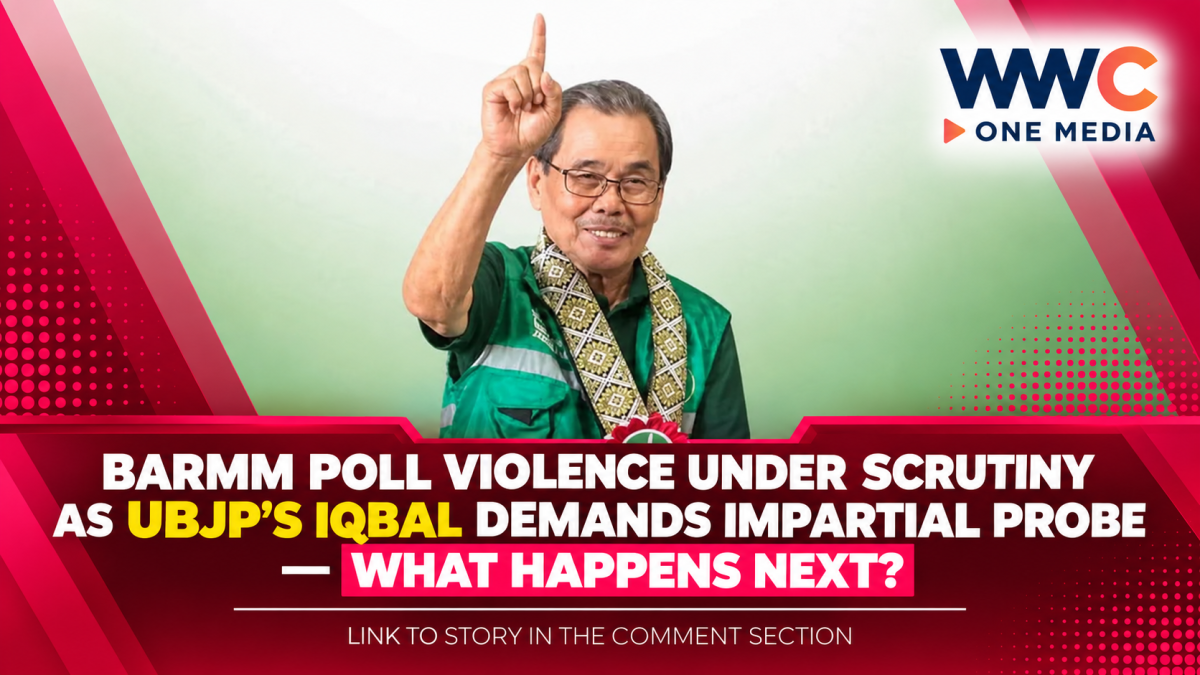
Mohagher Iqbal, a member of the Bangsamoro Parliament and a member of the United Bangsamoro Justice Party (UBJP), called on national authorities and law enforcement agencies to investigate the violence surrounding the September 14 elections and ensure that those responsible are held accountable.
Iqbal said the deaths and injuries recorded during the campaign and voting period should not be allowed to pass without a proper investigation. He also said the UBJP was mourning three of its volunteers who were killed and was concerned about around 20 others who were wounded.
The appeal follows several violent incidents reported before and during the historic polls.
According to the Commission on Elections, four people were killed and 19 others were injured in election-related incidents. The Philippine National Police, meanwhile, reported 14 violent incidents connected to the elections and separately reported three civilian fatalities and 23 people injured, including three police personnel. The difference reflects the agencies’ respective reporting and classification of incidents.
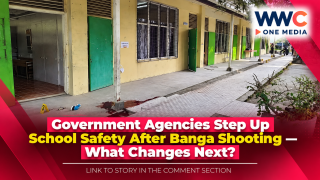
One of the most serious incidents occurred in Cotabato City, where rival political supporters were involved in a shooting at Datu Usman Mampen Elementary School in Barangay Bagua 2. Three people were killed and 15 were wounded in the incident, according to reports cited by COMELEC and the UBJP. Another violent incident at Pilot Central Elementary School left one person dead and three others injured, including a police officer.
There were also reports of an explosion in Cotabato City on the eve of voting involving a man allegedly carrying an improvised explosive device. Police investigations were launched to establish the circumstances behind the incidents and identify those who may be responsible.
The election period also faced an electoral-integrity issue in Maluso, Basilan, where pre-shaded ballots were discovered in 36 of 68 precincts. COMELEC placed Maluso and Cotabato City under its direct control and ordered replacement ballots for the affected precincts. Voting in Maluso was subsequently extended to allow affected voters to cast their ballots.
The National Citizens’ Movement for Free Elections (NAMFREL) separately called for a thorough, impartial and transparent investigation into election-related violence. Its preliminary assessment also raised concerns about the pre-shaded ballots in Maluso and reports of vote-buying and multiple voting that it said were still being verified.
The UBJP had earlier asked the National Bureau of Investigation (NBI) to examine the violent incidents that occurred shortly before and during the elections. The party said the loss of lives and injuries required a proper investigation so that victims and their families could obtain justice.
Despite the incidents, the elections proceeded across the region and produced the first regularly elected Bangsamoro Parliament.
The results left no single party with a majority in the 80-member chamber. The Bangsamoro Federalist Party won 31 seats, while the UBJP secured 30. The remaining seats went to other parties and representatives, meaning coalition-building and negotiations will be important as the new Parliament prepares to organize itself.
The newly elected lawmakers are scheduled to assume office on October 30 and will choose the region’s chief minister from among themselves.
For Iqbal, however, the transition to the new elected government must proceed alongside efforts to address the violence that accompanied the historic vote.
He urged political groups and newly elected lawmakers to respect the institutions established under the Bangsamoro Organic Law and the Comprehensive Agreement on the Bangsamoro, while allowing Parliament to independently select its leaders through established rules and procedures.
The first parliamentary election has therefore opened a new chapter in BARMM’s political transition, but the investigations into the violence and reported electoral irregularities remain an important part of what comes next.
The central question now is whether authorities can establish what happened, determine responsibility where evidence supports it, and ensure that future electoral contests in the Bangsamoro are conducted without violence or intimidation.