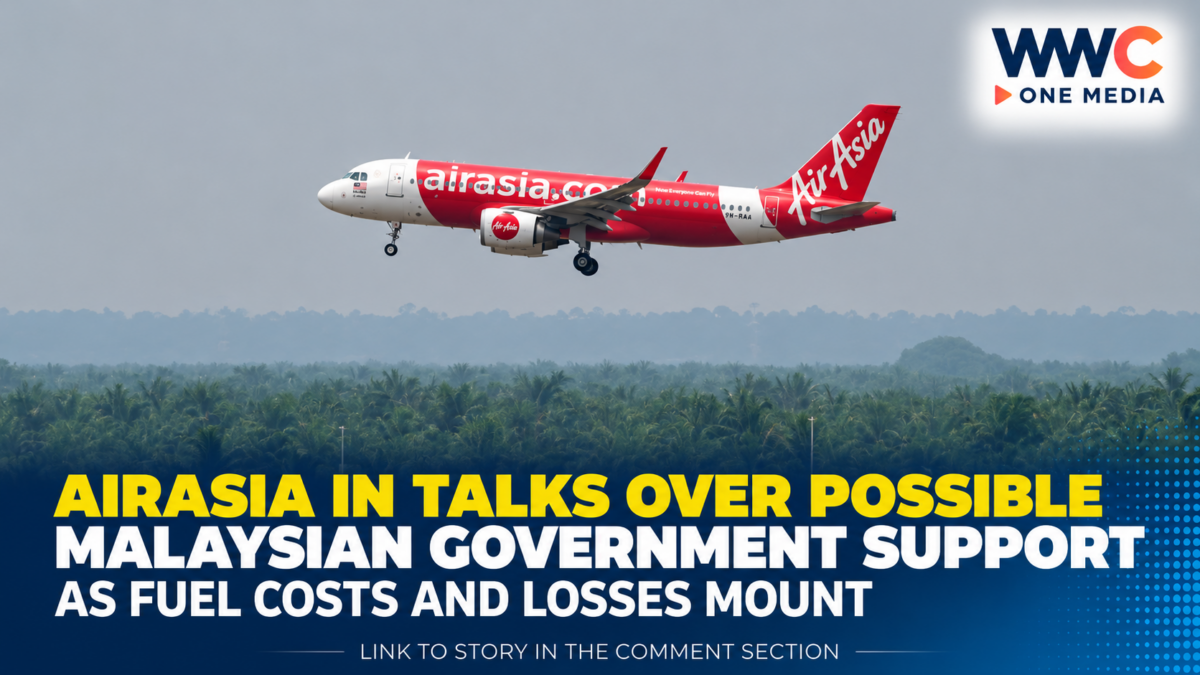
AirAsia is reportedly in discussions with the Malaysian government over potential financial support as soaring jet fuel costs and mounting financial pressures weigh on the budget airline.
The discussions have raised questions about the carrier’s financial outlook and the potential consequences for Malaysia’s aviation industry if its largest domestic airline faces further difficulties.
According to a Reuters report published on Monday (Oct 12), AirAsia co-founder Tony Fernandes met officials from Malaysia’s Finance Ministry in late September to discuss possible assistance. Three sources familiar with the matter said the government was concerned about the airline’s financial position.
However, Fernandes has maintained that AirAsia can manage the current challenges without a government bailout, while saying the airline would not reject support if it were offered.
Transport minister denies recent talks with AirAsia
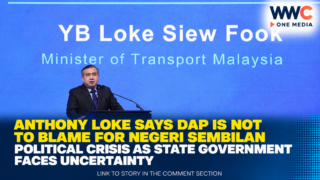
Malaysia’s Transport Minister Anthony Loke said on Monday that his ministry had not held meetings with AirAsia over the preceding two to three weeks and had not reached any agreement with the airline.
Loke said AirAsia might have held discussions directly with the Finance Ministry, adding that airlines regularly engage with government agencies.
His comments followed the Reuters report about the potential support discussions. The distinction leaves open the possibility of separate conversations with finance officials, but no government assistance package has been publicly confirmed.
The government’s reported interest reflects AirAsia’s importance to Malaysia’s aviation network, tourism industry and employment market.
AirAsia operates a large domestic network and employs about 26,000 people. Any significant disruption to its operations could affect passengers, tourism-related businesses and connections between Malaysian cities.
Rising fuel prices add to financial pressure
AirAsia has faced a sharp increase in operating costs as jet fuel prices climbed.
The airline reported a net loss of 831 million ringgit, or about US$204 million, in the second quarter of 2026. Higher fuel expenses and foreign-exchange losses contributed to the result.
Jet fuel costs reportedly rose by 66 per cent during the quarter, adding pressure to an airline whose low-cost business model depends heavily on controlling operating expenses.
AirAsia’s total liabilities stood at 18.4 billion ringgit as of June 30, according to the reports.
Despite the financial challenges, Fernandes has argued that the airline remains capable of navigating the difficult environment. He has pointed to travel demand and the company’s efforts to reduce costs as reasons for confidence.
AirAsia seeks up to US$1 billion in financing
The airline is pursuing its own financing options as it works to strengthen its balance sheet.
AirAsia is targeting up to US$1 billion from international debt markets, alongside 700 million ringgit in local credit facilities. The funds are intended primarily to refinance existing debt and reduce financing costs rather than simply provide new money for expansion.
Fernandes has also said the company is negotiating with a major international bank over a bond transaction and has received a funding offer from a Middle Eastern investor, subject to further due diligence.
At the same time, AirAsia has been restructuring its operations, including cutting underperforming routes, returning older aircraft to lessors and renegotiating contracts with suppliers.
These measures are intended to lower costs and improve the airline’s financial position.
Why AirAsia matters to Malaysia
AirAsia’s financial health has implications beyond the company itself. The airline plays a major role in domestic air travel and provides connections across Southeast Asia, supporting tourism and business activity.
The Malaysian government is therefore reported to be examining the airline’s funding needs and possible options, although the nature and terms of any potential assistance remain unclear.
Any government support would likely attract scrutiny over its conditions, the use of public funds and whether assistance would be available to other airlines facing similar pressures.
For now, AirAsia is continuing to pursue private financing and cost-cutting measures, while the government has not announced a confirmed bailout or funding agreement.
The key question is whether the airline can refinance its obligations and absorb higher operating costs without requiring direct state assistance.