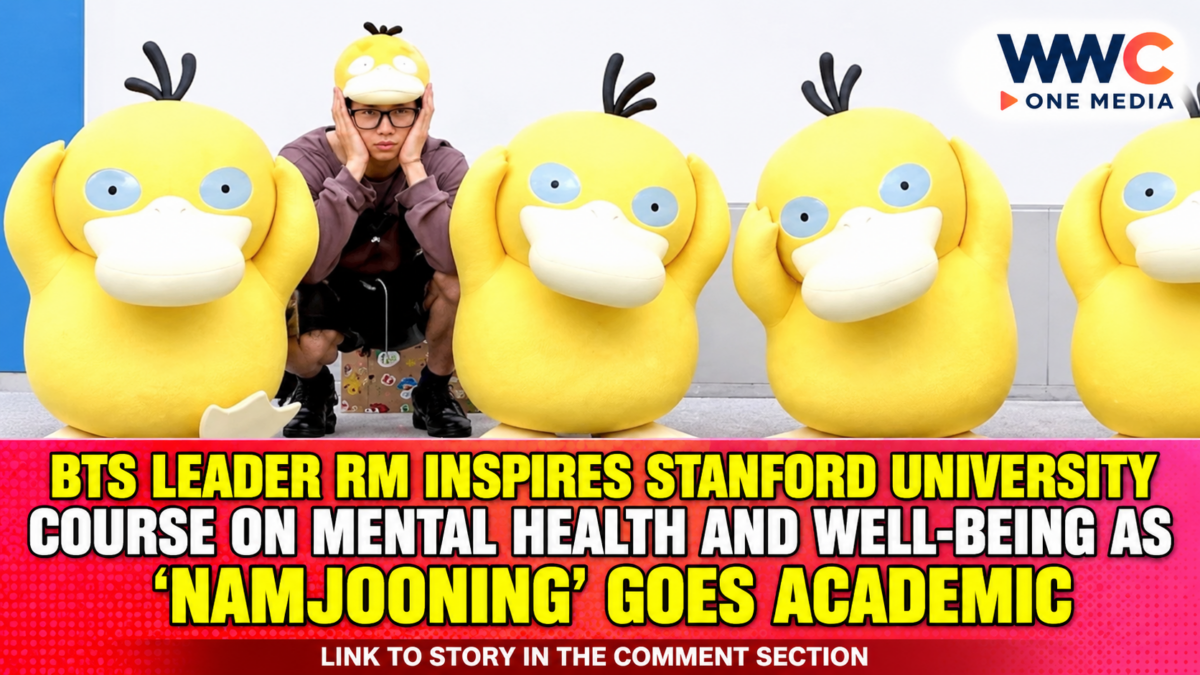
BTS leader Kim Nam-joon, better known as RM, is inspiring something far beyond music: a Stanford University course exploring mental health, happiness and the science behind everyday habits that can make life more fulfilling.
The prestigious US university is offering an undergraduate seminar titled “Namjooning, and Other Well-Being Inspiration from BTS,” using RM’s well-known interests in art, literature, cycling and nature as a starting point for examining psychological well-being.
The course is attracting attention because it takes a lifestyle concept popularised by BTS fans and turns it into an academic subject. But students will not simply be encouraged to copy the K-pop star’s hobbies. They will examine scientific research to understand whether activities such as visiting museums, spending time outdoors, reading and maintaining healthy routines can actually improve well-being.
Stanford’s official course catalogue lists the seminar as PSYC 65N, a three-unit introductory course offered during the university’s 2026 autumn quarter. It is taught by James R. Jacobs, an associate professor of psychiatry and behavioural sciences. Stanford Explore Courses+2
What Exactly Is ‘Namjooning’ and Why Is Stanford Studying It?
The term “Namjooning” comes from RM’s real name, Kim Nam-joon. BTS fans use it to describe activities associated with the singer’s personal interests, including visiting art galleries, reading books, cycling, exploring nature and taking time away from a busy routine.
Over the years, RM has regularly shared glimpses of his museum visits, art discoveries and quiet moments with fans through social media.
For many members of the BTS fandom, known as ARMY, the concept has become more than a description of the singer’s hobbies. It represents slowing down, appreciating ordinary experiences and making time for personal growth.
Stanford’s course uses this idea to introduce a broader discussion about mental health and well-being.
According to the university, RM is frequently recognised for his approach to mental health and personal reflection. His interests provide an accessible way to explore questions about how people manage stress, develop healthy habits and build a more meaningful everyday life. Stanford Medicine+2
Stanford Course Goes Beyond Celebrity Inspiration and Examines the Science of Well-Being
Although the course takes inspiration from a global music star, its academic focus is much broader than K-pop.
The syllabus covers several subjects connected to mental and physical health, including:
- Nature, cycling, art, literature and journaling.
- Sleep, anxiety and creative blocks.
- Self-love and self-awareness.
- Diet, exercise, medications and nutritional supplements.
- Psychotherapy and coaching.
The university’s approach is deliberately evidence-based. Rather than simply telling students to get enough sleep, for example, the course asks them to examine what “enough” actually means, whether all sleep is equally beneficial, whether naps help and what scientific studies reveal.
Students will read fiction and scientific papers, study artworks and watch videos. They will also complete short presentations, written assignments and quantitative exercises.
The final project will draw inspiration from RM’s 2022 solo album, Indigo, which explored personal experiences and reflections from his twenties.
Stanford’s course description even lists its prerequisites in an unusually playful way: students need a desire to flourish, an appetite for data and “a healthy respect for BTS.” Stanford Explore Courses+2
Why RM Became the Inspiration for a Stanford Psychology Seminar
The course was developed by James R. Jacobs, who is associated with Stanford’s health and well-being programmes and its psychiatry and behavioural sciences faculty.
The idea was influenced by two major events connected to BTS and RM in 2026: the group’s performances at Stanford Stadium in May and RM’s involvement in an exhibition at the San Francisco Museum of Modern Art.
The university’s course description identifies RM’s interests and his public discussions about mental health as reasons for using his lifestyle as an entry point into the subject.
This distinction matters: Stanford is not presenting RM as a medical expert or claiming that his personal habits are a substitute for professional mental-health care. Instead, the seminar uses his interests to encourage students to investigate the evidence behind everyday well-being practices.
The approach gives students an opportunity to question popular wellness advice rather than accept it simply because it sounds sensible. Stanford Medicine+2
RM’s Love for Art Reaches Beyond the Music Industry
The Stanford course is not the first major recognition of RM’s passion for visual art.
On October 3, 2026, the San Francisco Museum of Modern Art opened “RM x SFMOMA: Between You and Me,” an exhibition developed in collaboration with the BTS leader.
The exhibition brings together nearly 200 artworks, including pieces from RM’s personal collection and works held by the museum. RM participated in the curatorial process, helping select artworks and prepare exhibition materials.
The exhibition is scheduled to run until February 7, 2027.
Its significance goes beyond celebrity involvement. It introduces visitors to Korean modern and contemporary art while placing those works in conversation with international artists.
WWC ONE MEDIA previously covered the exhibition in its report, BTS’ RM Takes His Personal Art Collection to SFMOMA — And Reveals a Different Side of His Creative World.
The museum collaboration helps explain why RM’s influence has attracted attention outside the entertainment industry. His interest in art has become a way of introducing fans to museums, artists and cultural experiences they might not otherwise explore. WWC One Media+2
BTS’ Influence on Education Continues to Expand
Stanford’s decision to build a well-being seminar around RM also reflects the growing presence of K-pop in academic discussions.
Universities have previously examined BTS through subjects such as music, cultural influence, fandom, identity and the global entertainment industry.
What makes Stanford’s approach different is its focus on the everyday habits associated with one artist rather than the group’s music business or worldwide popularity.
The seminar also illustrates how popular culture can provide an accessible starting point for discussing subjects that students might otherwise find difficult or abstract.
However, it would be premature to describe the course as proof that universities are broadly changing their psychology programmes because of K-pop. It is a specific introductory seminar that uses a familiar cultural figure to engage students with established questions about well-being.
What This Means for BTS Fans and the ‘Namjooning’ Lifestyle
For ARMY, the Stanford course offers another example of RM’s influence reaching beyond the stage.
The concept of Namjooning encourages people to make time for activities that are often overlooked in busy daily routines: reading, exploring museums, enjoying nature, cycling and reflecting on personal experiences.
But the most important lesson from the course is that inspiration should be accompanied by curiosity and evidence.
A museum visit may be enjoyable, but students are encouraged to examine what research says about its possible effects on stress and well-being. Sleep is important, but the course asks how much is needed and what factors affect sleep quality.
In other words, the seminar is not simply about living like RM. It is about understanding why certain habits may support a healthier and more fulfilling life.
RM’s Influence Moves From Concert Stages to University Classrooms
RM has spent years building a reputation as a thoughtful artist whose interests extend into literature, visual art and personal reflection.
Now, those interests have become the inspiration for a Stanford University course that connects popular culture with scientific research.
The development is a notable moment for BTS and its global fandom, but it also offers a wider message about the value of slowing down, exploring creative interests and asking meaningful questions about personal well-being.
From art galleries to university classrooms, Namjooning has become more than a fan-created expression. It is now part of an academic conversation about how people can better understand the habits that shape their lives.
And perhaps the biggest surprise is that a course inspired by a K-pop superstar is not primarily teaching students how to become famous. It is encouraging them to examine what it actually means to live well.