The Philippines’ growing concern over school violence has exposed a difficult reality for the education sector: many schools were not originally equipped to respond to active-shooter situations because such attacks had historically been rare in the country.
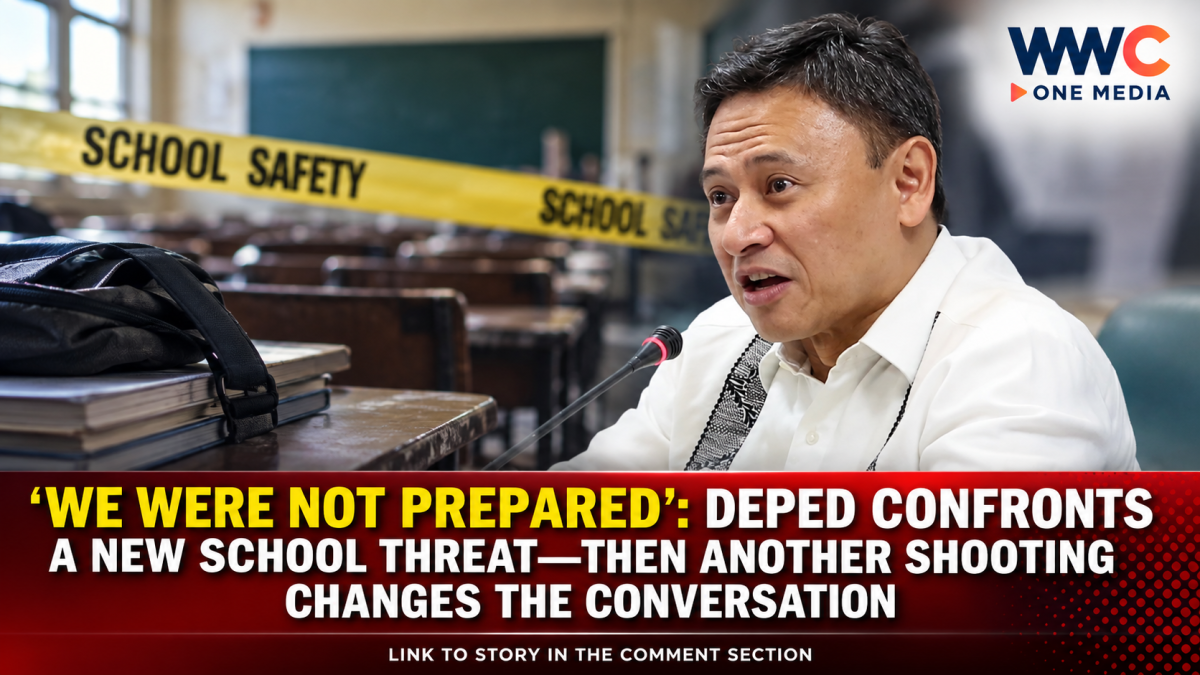
Education Secretary Sonny Angara previously acknowledged the challenge, saying the Department of Education (DepEd) was “really not prepared” for the sudden emergence of school shootings and that the agency had to rapidly adjust its safety protocols.
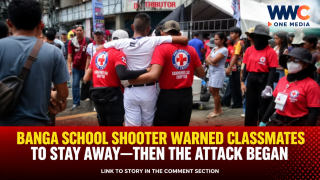
That concern has taken on greater urgency following a September 18 shooting at Banga National High School in South Cotabato, where three students—including the alleged 16-year-old gunman—were killed and at least eight others were injured, according to Philippine and international reports.
The incident is the third deadly school shooting reported in the Philippines since June, according to Reuters, a development that has pushed school security and emergency preparedness higher on the national agenda.
From rare threat to national concern
For years, Philippine schools generally focused emergency preparations on familiar threats such as earthquakes, fires, typhoons and flooding.
But that changed dramatically after the June 22 shooting at San Jose National High School in Tacloban City, where three students were killed and around 20 others were injured.
Following the Tacloban attack, DepEd ordered schools to review their existing safety and learner-protection measures. The Philippine National Police also began reviewing school security protocols and coordination with educational institutions.
The government subsequently moved toward more specialized preparation for active threats.
In July, DepEd launched an active-shooter safety drill at Manila Science High School as part of its intensified school-safety efforts.
But the approach itself became controversial.
DepEd changes how schools conduct active-threat drills
DepEd later decided that schools would no longer stage realistic active-shooter reenactments.
The department said experts had warned that hyper-realistic simulations could potentially cause psychological distress or trauma among students and teachers.
Instead, the nationwide safety exercises incorporated emergency alarms, lockdown procedures, evacuation, coordination with police and other responders, first aid and psychosocial support.
The revised approach also incorporated the “run-hide-fight” protocol for active-threat situations.
The Philippine Information Agency reported that the September 3 nationwide safety drill was designed to help school communities understand how to respond to emergencies while using a trauma-informed and age-appropriate approach.
Then came another shooting
The preparedness effort was followed by another tragedy.
On September 18, a shooting erupted at Banga National High School in South Cotabato.
Reuters reported that a 16-year-old student allegedly shot fellow students before taking his own life. Two 14-year-old students died, while at least eight others were injured. AP likewise reported that the gunman was among the three people killed.
Authorities said the firearm was reportedly taken from the home of the suspect’s father, who was a DepEd employee. Investigators are examining how the student gained access to the weapon as well as his reported online activity.
The incident prompted another immediate response from DepEd.
According to PNA, the department said the safety and well-being of learners, teachers and school personnel remained its immediate priority, while psychological first aid and psychosocial support would be provided to those affected. In-person classes at the school were suspended until September 21.
Security is being tightened—but challenges remain
The government has already introduced several measures following the earlier shootings.
The PNP has pushed for stronger coordination with schools, increased police visibility and tighter control over school entrances. One recommendation was for schools with multiple entrances and exits to limit access to one or two monitored gates.
DepEd has also emphasized security procedures such as visitor controls, bag inspections where appropriate, increased visibility of security personnel and stronger learner-protection measures.
The agency’s disaster-risk management system now also includes an active-attack contingency plan and school playbook specifically addressing active-attacker or shooter incidents.
Meanwhile, the PNP has expressed readiness to work with DepEd on training adults to recognize warning signs and respond appropriately to potentially dangerous behavior involving young people.
A problem schools were never expecting
The sudden emergence of repeated school shootings has forced Philippine schools to confront a type of emergency for which many institutions had limited previous experience.
GMA News reported that the June Tacloban incident was considered the first mass school shooting in Philippine history, while also documenting other school-related shootings in previous years.
That history helps explain why DepEd has had to rapidly expand its safety framework—from conventional disaster preparedness toward active-threat response.
The challenge is now broader than simply teaching students what to do during an emergency.
It involves school security, firearm access, early identification of warning signs, police coordination, psychological support, emergency response and the ability of schools to protect students without creating additional fear or trauma.
And after three deadly school shootings in just a few months, the question facing Philippine schools is no longer whether such incidents are imaginable.
It is how prepared every school can realistically become before the next emergency happens.