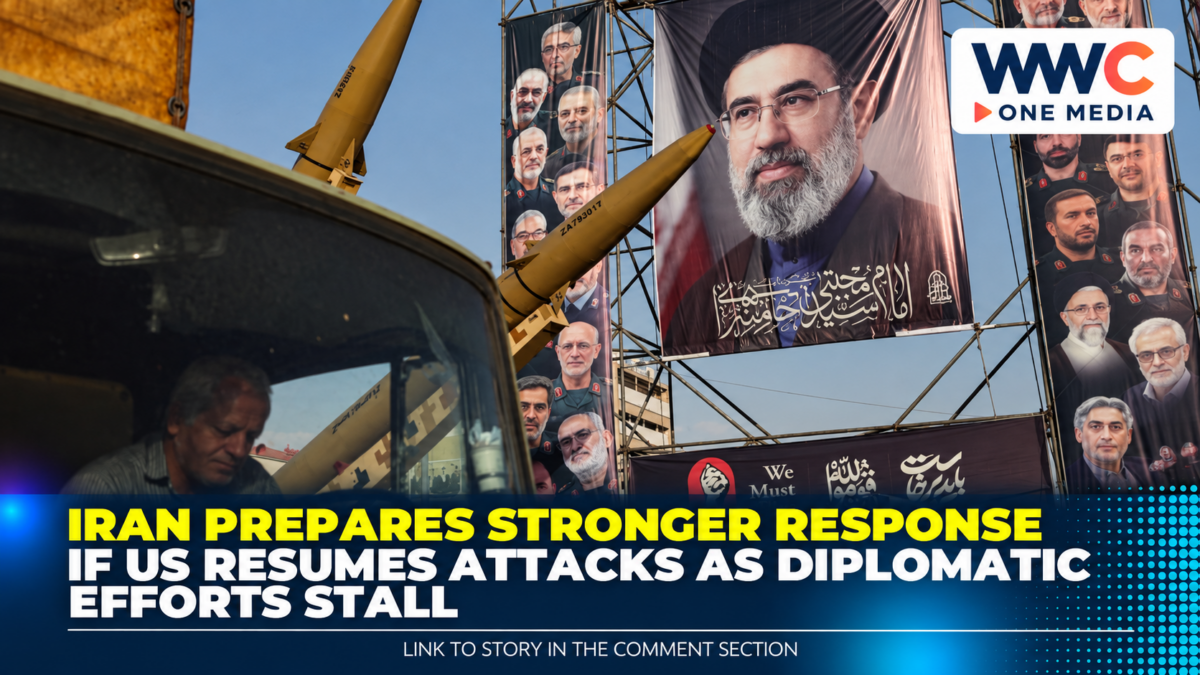
Iran is preparing a broader military response if the United States resumes large-scale attacks, according to Iranian officials, even as Tehran continues diplomatic efforts aimed at preventing another escalation in the conflict.
Three senior Iranian officials and a person familiar with the discussions said Iran’s leadership believes any renewed US campaign would require a stronger response than its previous retaliation. Military commanders are reviewing plans that could expand the range of potential targets beyond US-linked assets in the region.
According to the officials, Iranian planning could include targeting countries that support US military operations and potentially locations outside the Middle East. The preparations reflect concerns in Tehran that another round of attacks could begin despite ongoing diplomatic contacts.
At the same time, Iran has continued to pursue negotiations through intermediaries. Tehran has communicated conditions for ending hostilities, including the reopening of the Strait of Hormuz and the removal of sanctions, but the diplomatic process has made little visible progress.
Iranian officials have privately expressed doubts that negotiations will succeed. The lack of trust between Tehran and Washington remains a major obstacle, with both sides maintaining different positions over the terms needed to end the conflict and address Iran’s nuclear programme.
The United States has continued to signal that military action remains an option. President Donald Trump has said Washington faces a choice between reaching an agreement with Iran and resuming military operations, while also indicating that the situation could change depending on developments in the negotiations.
The current tensions follow months of fighting that began with major US and Israeli strikes on Iran in February. The conflict has damaged Iranian military and economic infrastructure and disrupted energy markets, particularly after fighting affected traffic through the strategically important Strait of Hormuz.
Iran’s military leadership is now reviewing possible responses in the event of renewed attacks. The planning reportedly involves both conventional military options and coordination with regional groups aligned with Tehran in Lebanon, Yemen and Iraq.
The possibility of attacks extending beyond the immediate conflict zone raises concerns about a wider regional escalation. Any strikes against countries hosting or supporting US forces could potentially draw additional governments into the confrontation.
The Strait of Hormuz remains a particularly sensitive issue. The waterway is a major route for global energy shipments, and previous disruptions during the conflict have contributed to uncertainty in oil markets and raised concerns about the security of commercial shipping.
Iran has also faced growing economic pressure as the conflict continues. Sanctions and damage to infrastructure have compounded existing economic difficulties, while authorities have faced concerns over public unrest and political stability.
Diplomatic efforts therefore continue alongside military preparations. Iranian officials have indicated that Tehran wants to avoid further escalation but also wants any negotiations to address sanctions and other issues it considers essential before discussions on the nuclear programme can move forward.
For now, the situation remains unsettled, with military preparations and diplomatic contacts taking place simultaneously. The outcome of negotiations could determine whether the current pause develops into a longer-term reduction in hostilities or whether fighting resumes on a broader scale.