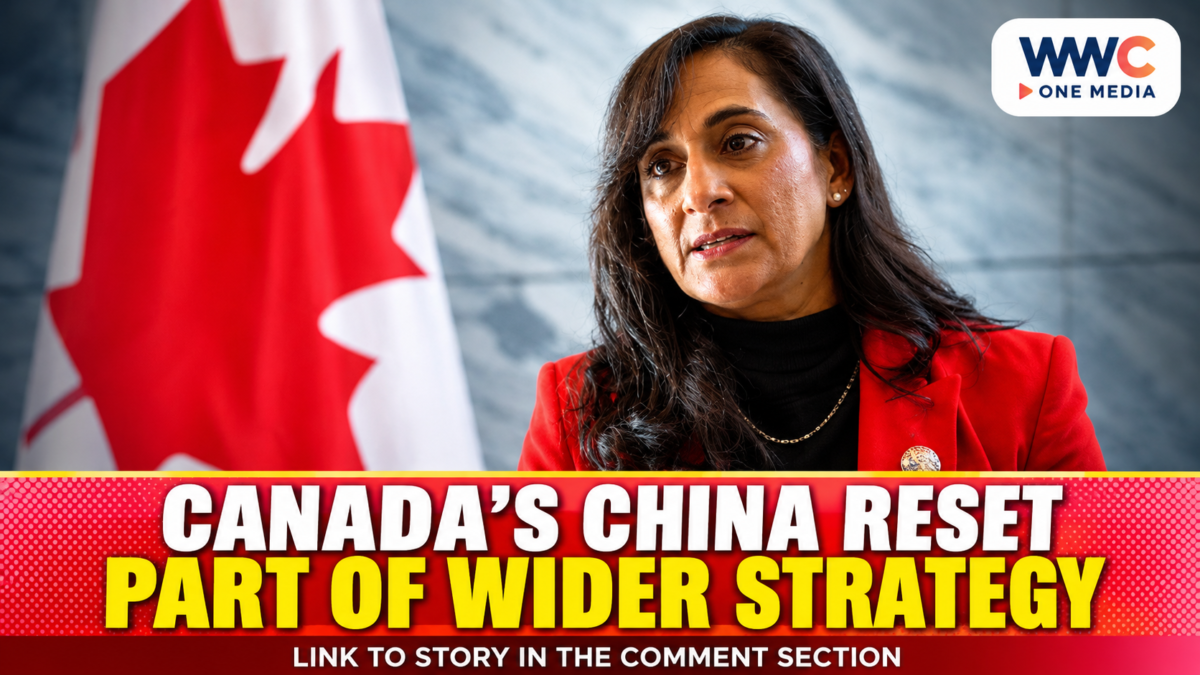
The Nov. 17 agreement with China is only one part of Canada’s effort to broaden its international trade relationships. The government’s announcements in Manila and Shenzhen show that Prime Minister Mark Carney is pursuing opportunities in several markets rather than relying on a single bilateral relationship.
On Nov. 14, Canada announced the substantial conclusion of negotiations for a Canada-Philippines free trade agreement and the ASEAN-Canada Free Trade Agreement. Both are targeted for signing in 2027. Neither should be described as already in force. The ASEAN agreement covers a regional market of almost 700 million people, while the bilateral Philippines agreement is intended to strengthen commercial access between the two countries. Prime Minister of Canada
The China arrangement, meanwhile, gives Canadian exporters additional opportunities in selected agricultural and seafood categories. The expanded measures are expected to provide tariff relief for approximately C$400 million in Canadian exports. Canada also agreed to extend selected tariff-remission measures for Chinese steel and aluminium products and expand coverage to 32 additional tariff items. Prime Minister of Canada
Ottawa is also planning a major trade mission to China in 2027 and a Canada-China Year of e-Commerce. These initiatives are intended to connect Canadian businesses with Chinese partners and help small and medium-sized enterprises explore digital sales channels. They are plans for future engagement, not proof that new commercial deals have already been secured. Prime Minister of Canada
The relationship with Washington remains another important part of the calculation. On Nov. 18, Carney met US President Donald Trump in Shenzhen. Their official meeting readout said they discussed ongoing work towards a mutually beneficial trade agreement and agreed to continue negotiations and remain in close contact. Prime Minister of Canada
That distinction matters. Canada is expanding its commercial engagement with China while continuing discussions with the United States. The public record does not establish that Ottawa is replacing its US trade relationship with Beijing; it shows a government seeking additional markets and negotiating options while its largest economic relationships remain important.
For Philippine businesses, the developments are worth watching because Canada’s trade strategy now includes both a bilateral agreement with the Philippines and a wider ASEAN framework. WWC has examined the completion of Philippines-Canada FTA negotiations and the potential opportunities for Philippine farm exports in Canada. The final agreements, tariff schedules and implementation rules will determine whether those opportunities become commercially usable.
Canada’s China reset is therefore best understood as one part of a broader diversification effort. The test will be whether the new arrangements translate into sustained export growth, investment and more resilient supply chains without creating new vulnerabilities elsewhere.